
Beautiful Plants For Your Interior
Beautiful Plants For Your Interior
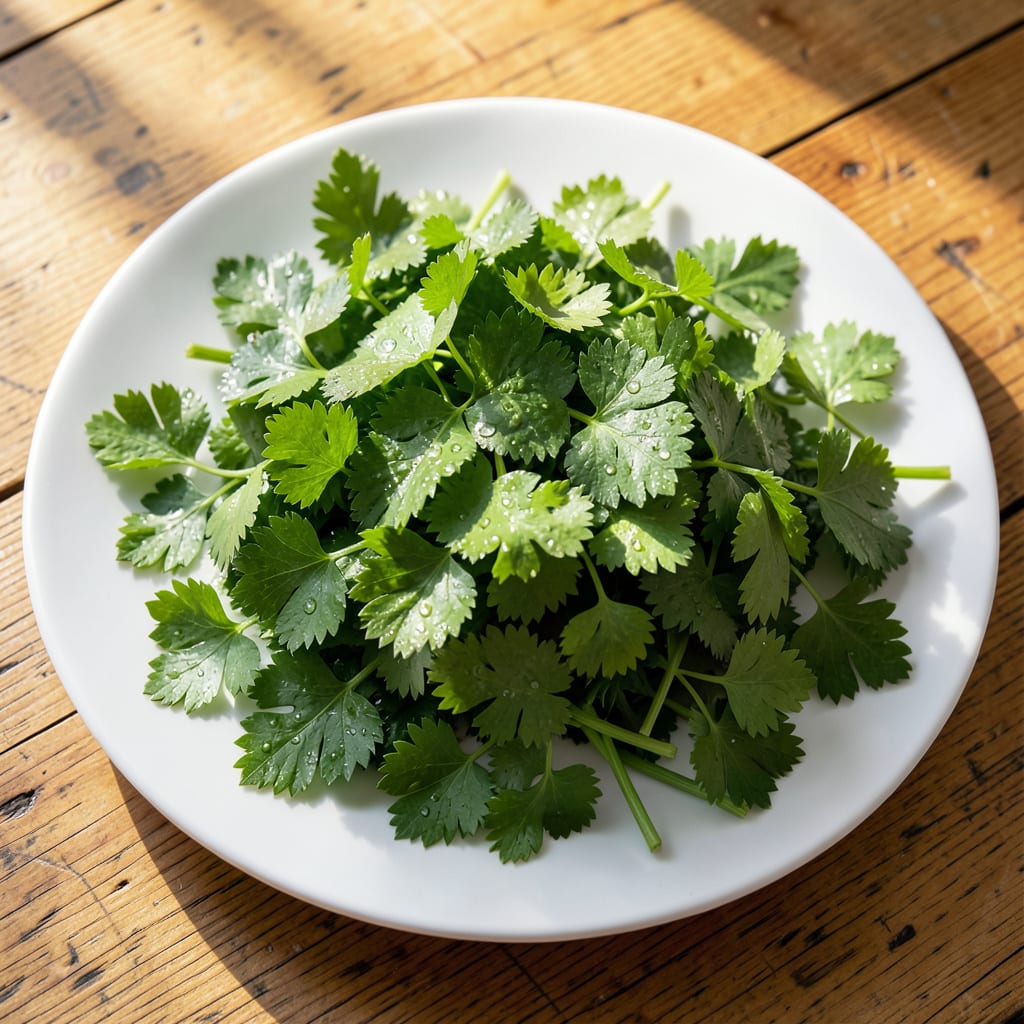
White spots on parsley leaves always feel like a gut punch. I’ve seen this problem ruin entire herb patches, but the good news is it’s usually fixable if you catch it early.
Most cases trace back to powdery mildew or tiny pests like spider mites. The mildew leaves a powdery residue, while pests create stippling damage. Both thrive when air circulation is poor or humidity spikes.
You can treat this with organic sprays or improved growing conditions. Better yet, prevent it entirely with proper spacing and watering at soil level rather than overhead.
Your parsley can bounce back quickly with the right approach. Don’t panic—this is one of the easier herb problems to solve.
White spots on parsley leaves often signal underlying issues that disrupt the plant’s health. Below are the primary causes, explained with actionable insights.
Powdery mildew, caused by Erysiphe or Oidium fungi, thrives in high humidity and poor air circulation. The fungus forms white, powdery patches on leaves as it feeds on plant tissues. Warm days (70–80°F) and cool nights create ideal conditions for spores to spread. Overcrowded plants or wet foliage exacerbate the problem.
Tiny pests like spider mites and whiteflies leave behind white stippling or webbing as they suck sap from parsley leaves. Spider mites (often red or yellow) thrive in hot, dry conditions, while whiteflies cluster on undersides, secreting sticky honeydew that attracts mold. Check leaf undersides with a magnifying glass for confirmation.
Hard water or foliar sprays with high mineral content (e.g., calcium, magnesium) can leave chalky white residues on leaves. This is common in greenhouse settings or areas with mineral-rich tap water. Unlike fungal spots, these deposits wipe off easily with a damp cloth.
Excessive sunlight, nutrient deficiencies (e.g., magnesium or iron), or sudden temperature swings can cause chlorosis—yellowing with white patches. Parsley prefers partial shade and consistent moisture; stress weakens its defenses, making it vulnerable to secondary infections.
Tackling white spots on parsley leaves starts with identifying the cause. Below are targeted solutions for each common issue, along with prevention tips to keep your parsley thriving.
If the spots are powdery and white, improve airflow by spacing plants 8–12 inches apart. Remove infected leaves and avoid overhead watering. Spray with a baking soda solution (1 tsp baking soda + 1 quart water + a few drops of dish soap) weekly. For severe cases, use neem oil or a fungicide labeled for edible plants.
Prevention: Water at the base in the morning, and choose mildew-resistant varieties.
For aphids, spider mites, or whiteflies, blast them off with a strong stream of water. Apply insecticidal soap or neem oil every 3–5 days until gone. Introduce beneficial insects like ladybugs for a natural fix.
Prevention: Inspect leaves regularly, especially undersides. Companion plant with pest-repelling herbs like basil or chives.
If spots stem from sunburn or water stress, move parsley to partial shade (4–6 hours of sunlight) and maintain consistent moisture. Mulch around the base to retain soil moisture and regulate temperature.
Prevention: Acclimate seedlings gradually to outdoor conditions and avoid sudden changes in care.
Yellowing with white spots may signal a lack of magnesium or calcium. Amend soil with compost or a balanced fertilizer (10-10-10). For a quick boost, use a foliar spray of Epsom salt (1 tbsp per gallon of water).
Prevention: Test soil annually and enrich with organic matter before planting.
💡 Pro Tip: Always isolate infected plants to prevent spread, and sanitize tools after pruning.
Pest damage often looks like tiny dots or stippling, while fungal spots appear powdery or fuzzy. Check leaf undersides with a magnifying glass for mites or whiteflies. Fungal spots won’t wipe off easily.
It’s best to avoid eating affected leaves. While most causes aren’t toxic, fungal spores or pest residues can be unpleasant. Harvest only healthy foliage and wash thoroughly before use.
Yes, removing infected leaves can prevent spread, especially with powdery mildew. Use clean shears and dispose of clippings away from the garden. Always sanitize tools after pruning.
A baking soda spray works well for mild fungal issues. For pests, insecticidal soap or neem oil are effective organic options. Test on a few leaves first to check for sensitivity.
