
Beautiful Plants For Your Interior
Beautiful Plants For Your Interior
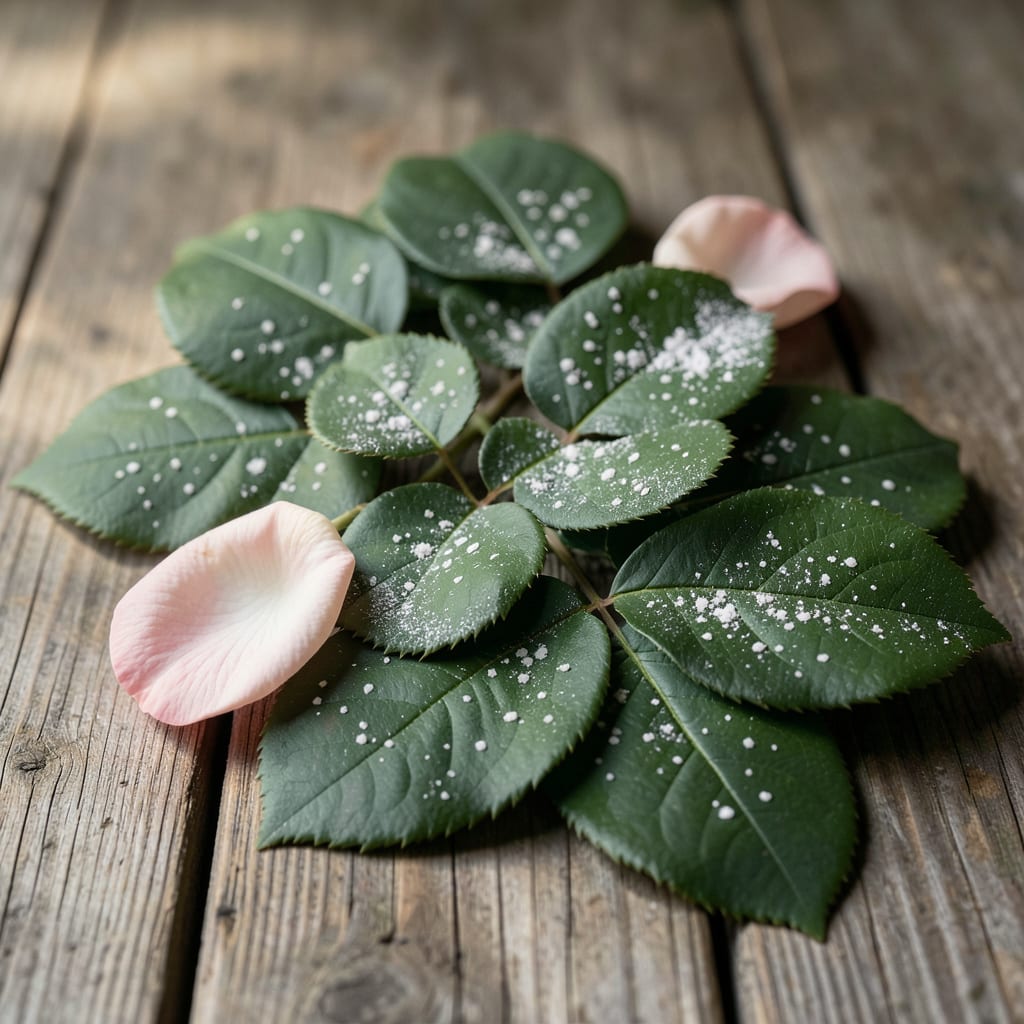
Those tiny white dots on your rose leaves aren’t just unsightly—they’re your plants waving a red flag. I’ve seen powdery mildew, spider mites, and even sun scorch disguise themselves this way, and each needs a different fix.
First step is always the same: grab a magnifying glass and look close. If the spots wipe off with your finger, you’re probably dealing with mildew. If they don’t, it’s likely pests or damage from water or weather.
Here’s the thing—most of these problems are preventable with better airflow and consistent watering. My roses went from spotted to spotless in two weeks once I adjusted my routine.
The fix is simpler than you think. A little neem oil, some pruning, and a watchful eye can turn things around fast.
Small white spots on rose leaves are often a sign of underlying issues, usually tied to fungal infections or environmental stressors. Below are the most common causes, explained with actionable insights.
Podosphaera pannosa, the fungus behind powdery mildew, thrives in warm, dry climates with high humidity. It appears as white, powdery patches on leaves, stems, and buds. The fungus spreads via airborne spores, which germinate when leaf surfaces are dry but ambient humidity is 70–90%. Poor air circulation and crowded plantings exacerbate the problem.
Caused by Peronospora sparsa, downy mildew produces pale white or yellowish spots on the upper leaf surface, with a downy, grayish growth underneath. Unlike powdery mildew, this pathogen requires moist conditions—cool temperatures (60–75°F) and prolonged leaf wetness (e.g., from overhead watering or rain). It’s more aggressive in shaded, poorly ventilated areas.
If your roses are watered with hard water (high in calcium or magnesium), white mineral residues can accumulate on leaves as water evaporates. These spots are typically chalky and superficial, not fuzzy or spreading like fungal growth. Common in areas with limestone bedrock or municipal water with high mineral content.
Spider mites and mealybugs can create tiny white specks as they feed. Mites leave behind stippling (tiny dots) from piercing leaf cells, while mealybugs produce cottony white clusters. Both thrive in hot, dry conditions and weaken the plant, making it more susceptible to secondary infections.
Extreme temperature fluctuations, excessive sunlight, or chemical burn (e.g., from foliar sprays) can cause white necrotic spots. These are often irregular and lack the powdery or fuzzy texture of fungal growth. Check for recent changes in care or weather patterns.
Tackling those pesky white spots on your rose leaves starts with identifying the cause. Below are targeted fixes for the most common culprits, along with prevention tips to keep your roses thriving.
Mix 1 tablespoon of neem oil with 1 gallon of water and a few drops of dish soap. Spray the solution evenly on both sides of the leaves, focusing on infected areas. Repeat every 7–10 days until the spots disappear. Prevention tip: Improve air circulation by pruning dense foliage and avoiding overhead watering. 💡
For mild infestations, spray leaves with a strong jet of water to dislodge mites. For stubborn cases, apply insecticidal soap (follow label instructions). Reapply every 4–5 days until mites are gone. Prevention tip: Keep humidity high—mites thrive in dry conditions. A light misting can deter them. 🌡️
Stop wetting the leaves and switch to drip irrigation or water at the base of the plant. Water early in the morning so foliage dries quickly. Prevention tip: Use mulch to retain soil moisture and reduce splash-back onto leaves. ✨
Test your soil’s pH (roses prefer 6.0–6.5). If it’s too alkaline, amend with sulfur; if too acidic, add lime. For quick fixes, use a balanced rose fertilizer rich in magnesium or zinc. Prevention tip: Feed roses monthly during growing season with a slow-release fertilizer. 🎯
Consistency is key—monitor your roses weekly for early signs of trouble, and act fast to keep those leaves spot-free!
Yes, fungal issues like powdery mildew can spread via wind or water splashes. Isolate affected roses and avoid overhead watering to prevent contamination.
Remove heavily spotted leaves immediately and dispose of them in the trash. This reduces fungal spores and pest populations. Never compost infected material.
Improve air circulation by spacing plants 3 feet apart. Water at the base early in the morning and apply neem oil preventatively every 2 weeks.
Not always. Hard water can leave mineral deposits that look like spots. Wipe a leaf with a damp cloth—if it comes off, it’s likely mineral buildup.
