
Beautiful Plants For Your Interior
Beautiful Plants For Your Interior
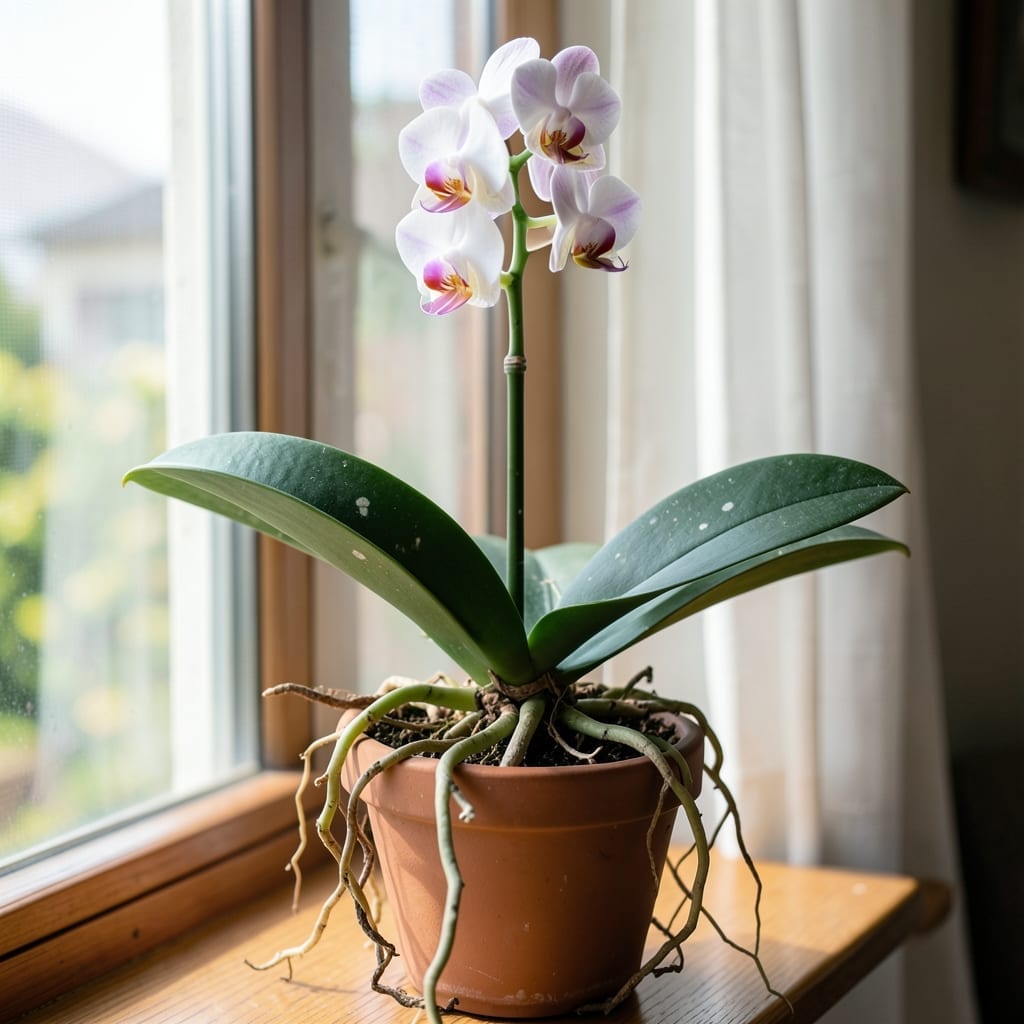
White spots on orchid roots stopped me cold last winter. I thought my collection was doomed until I figured out the pattern behind the problem.
Turns out most cases trace back to 3 common causes: fungal infections, pest activity, or mineral buildup from tap water. Each leaves distinct clues if you know where to look.
With the right treatment approach, your orchids can recover completely. I saved all six of my affected plants using simple household items and a 10-minute daily routine.
The prevention methods are even easier than the cure. Once you adjust your care routine, these spots become a thing of the past.
White spots on orchid roots can signal several underlying issues, each with distinct causes. Here’s a breakdown of the most common culprits:
Fungi like Fusarium or Phytophthora thrive in damp, poorly ventilated environments. These pathogens attack weakened roots, forming white or pale patches as they colonize. Overwatering or stagnant air around the roots creates ideal conditions for spores to germinate and spread.
Hard water or excessive fertilizer use can lead to mineral deposits, such as calcium or magnesium, accumulating on root surfaces. These appear as chalky white spots and often result from tap water with high mineral content or over-fertilization without proper flushing.
Mealybugs and scale insects are notorious for leaving cottony white residue on roots. These pests feed on plant sap, excreting a waxy substance that forms visible spots. They often hide in root crevices, making them tricky to spot until the infestation becomes severe.
Rapid changes in moisture levels—such as sudden overwatering after drought stress—can cause root cells to burst. This results in white, blister-like spots due to osmotic imbalance. Orchids in inconsistent watering routines are especially prone to this physiological reaction.
Less common but possible, bacteria like Pseudomonas can create white, slimy patches on roots. These thrive in warm, waterlogged conditions and often accompany poor drainage or contaminated growing media.
Identifying the exact cause is key to choosing the right treatment. Look for additional symptoms (e.g., foul odor for bacteria, webbing for pests) to narrow it down.
White spots on orchid roots often signal fungal infections, pests, or mineral buildup. Here’s how to tackle each cause with simple, actionable steps:
If the spots are fuzzy or slimy, it’s likely a fungal or bacterial issue. Remove the orchid from its pot and trim affected roots with sterilized scissors. Soak the remaining healthy roots in a 1:10 hydrogen peroxide-to-water solution for 10 minutes to disinfect. Repot in fresh, well-draining orchid mix. Prevention tip: 💡 Avoid overwatering and ensure good airflow around the roots.
Tiny white spots may be scale insects or mealybugs. Isolate the plant and gently wipe roots with a cotton swab dipped in 70% isopropyl alcohol. For stubborn pests, use neem oil (mix 1 tsp per cup of water) and spray weekly until gone. Prevention tip: 🌡️ Inspect new plants before introducing them to your collection and keep humidity in check.
Hard water or fertilizer buildup can leave chalky white residues. Flush the roots under lukewarm water for 1-2 minutes to wash away deposits. Switch to distilled or rainwater for watering, and fertilize with a balanced orchid formula at half strength. Prevention tip: ✨ Repot every 1-2 years to refresh the growing medium and prevent buildup.
Exposed roots can develop white patches from too much direct light. Move the orchid to a spot with bright, indirect light and cover exposed roots with a thin layer of sphagnum moss. Prevention tip: 🎯 Rotate the plant occasionally for even light exposure.
Always sterilize tools between uses, and monitor your orchid’s progress after treatment. Healthy roots should firm up and regain their green or silver hue within weeks!
Not always—some mineral deposits are harmless. If spots are chalky and the plant is otherwise healthy, it’s likely just buildup.
Pests leave cottony residue and may move when disturbed. Fungal spots often look fuzzy or slimy and spread over time.
Switch to distilled or rainwater to prevent future mineral buildup. If tap water is your only option, flush roots monthly.
With proper care, healthy roots should regain color in 2-3 weeks. Severe cases may take longer.