
Beautiful Plants For Your Interior
Beautiful Plants For Your Interior
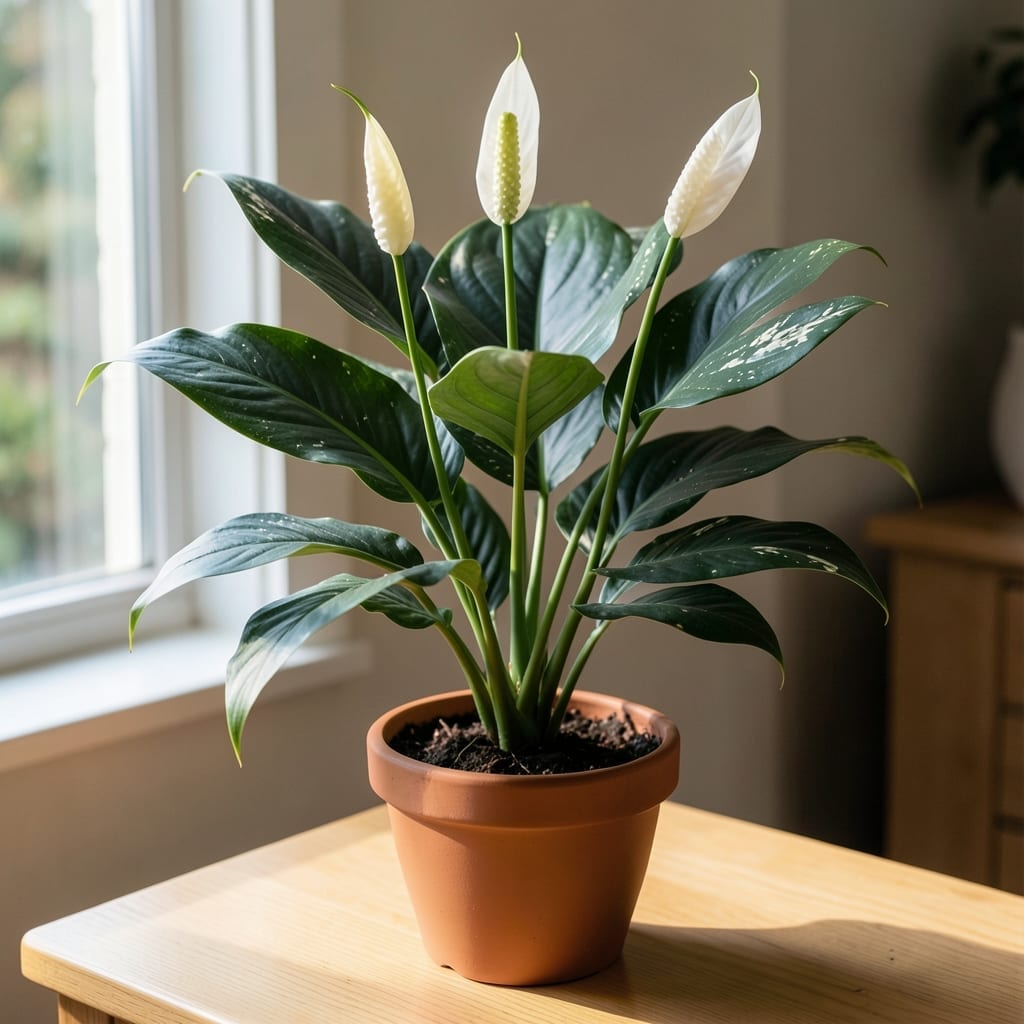
Those white spots on your plants aren’t just unsightly—they’re a red flag. I’ve seen hard water deposits, mealybugs, and powdery mildew all leave similar marks, but each requires a different fix.
The first step is playing detective: Check leaf undersides for pests, test your water source, and note if spots wipe off easily. Hard water leaves chalky residue, while pests leave cottony clumps or webbing.
Once you identify the culprit, the solution becomes clear. Filtered water, neem oil, or improved airflow can resolve most cases in 1-2 weeks. Your plants will bounce back faster than you think.
Don’t ignore the early signs. Catching this now prevents bigger problems down the road.
White spots on your indoor plants can stem from several underlying causes, each with distinct mechanisms. Understanding these triggers helps you address the issue effectively.
Hard water contains high levels of calcium, magnesium, and other minerals. When you water your plants, these minerals can accumulate on the leaves as the water evaporates, leaving behind unsightly white residues. This is especially common in areas with limestone bedrock or municipal water supplies with added minerals.
Fungi like Powdery Mildew thrive in humid environments and can manifest as white, powdery spots on leaves. These pathogens spread through spores, which germinate when conditions are warm and damp. Poor air circulation exacerbates the problem, allowing fungi to take hold and multiply.
Certain pests, such as mealybugs and spider mites, leave white, cottony, or web-like deposits on plant foliage. Mealybugs secrete a white, waxy substance as they feed on plant sap, while spider mites create fine webbing. These pests not only cause white spots but also weaken the plant by draining its nutrients.
Excessive direct sunlight or heat can cause leaf tissues to scorch, sometimes resulting in white or bleached patches. This happens when the plant’s natural pigments break down under intense light, often accompanied by dry, crispy edges.
Tackling white spots on your indoor plants starts with identifying the root cause. Below are targeted solutions for each common issue, along with prevention tips to keep your greenery thriving. 🌿✨
If mineral buildup from tap water is the culprit, switch to filtered, distilled, or rainwater for watering. Wipe existing spots off leaves with a damp cloth soaked in equal parts white vinegar and water to dissolve minerals. Prevention tip: Use a watering can with a built-in filter or let tap water sit out for 24 hours before use to reduce mineral content. 💡
For mealybugs, spider mites, or scale, isolate the plant first to prevent spreading. Wipe leaves with a soapy water solution (1 tsp mild dish soap per 1L water) or apply neem oil (mix 1 tbsp with 1L water and spray weekly). For severe cases, use insecticidal soap. Prevention tip: Inspect new plants before bringing them indoors and mist leaves regularly to deter pests. 🎯
Remove affected leaves and reduce humidity around the plant by improving airflow (use a small fan on low). Apply a copper-based fungicide or a baking soda spray (1 tsp baking soda + 1L water + a few drops of dish soap). Prevention tip: Avoid overhead watering and space plants apart to ensure good ventilation. 🌡️
Move the plant to a spot with bright, indirect light if sunburn is the issue. For chemical burns (e.g., from fertilizers or cleaning products), rinse the leaves thoroughly with water and avoid spraying harsh substances nearby. Prevention tip: Always test new products on a small leaf area first and follow dilution instructions. ✨
Mix 1 part milk to 9 parts water and spray on leaves weekly to combat mildew naturally. For stubborn cases, use a sulfur-based fungicide. Prevention tip: Keep leaves dry, especially in the evening, and avoid overcrowding plants. 🌿
Yes! Minerals like calcium and magnesium in tap water leave chalky residue as water evaporates. Wiping leaves with a vinegar-water solution removes existing spots.
Check leaf undersides for cottony clumps (mealybugs) or webbing (spider mites). Fungal spots look powdery and spread quickly in humid conditions.
Not if addressed early. Pests and fungi weaken plants over time, while mineral spots are mostly cosmetic. Act within 1-2 weeks for best results.