
Beautiful Plants For Your Interior
Beautiful Plants For Your Interior
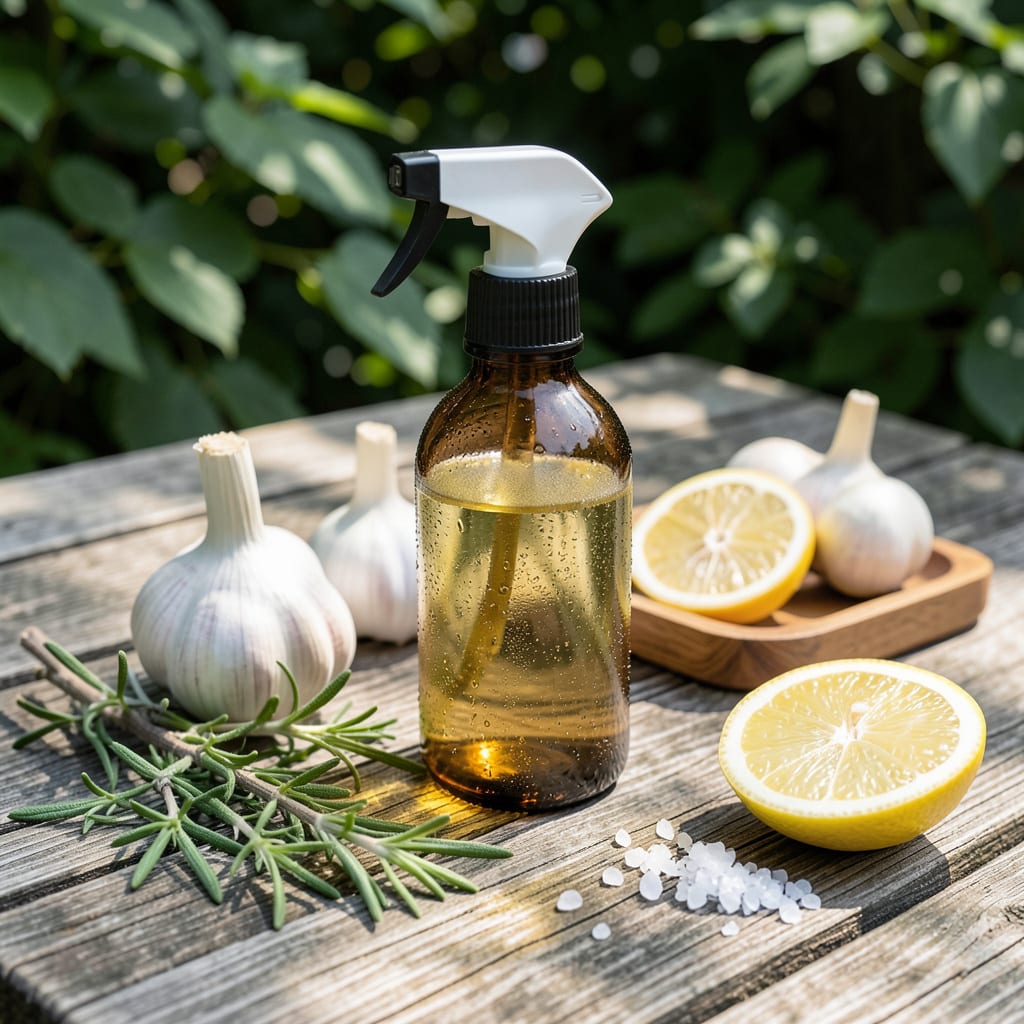
White powder on your leaves isn’t just unattractive—it’s powdery mildew stealing your plants’ vigor. I’ve lost entire crops to this before learning the simple prevention and treatment methods that actually work.
The key is catching it early. Once you spot that telltale dusting, you have 24-48 hours to act before it spreads. Natural sprays using household items can stop it in its tracks without harsh chemicals.
Your plants will bounce back with healthier growth and fuller foliage within days of treatment. The same sprays that treat mildew also prevent future outbreaks when used regularly.
Works on roses, squash, cucumbers, and most ornamentals. Here’s how to mix, apply, and protect your garden for good.
Powdery mildew is a common fungal disease that affects a wide range of plants, but it doesn’t appear out of nowhere. Understanding the root causes helps you prevent and control it effectively. Here’s why it happens:
This fungus thrives in environments with high humidity (60-90%) and stagnant air. When moisture lingers on plant surfaces—especially in crowded gardens or greenhouses—spores germinate rapidly. Poor airflow prevents leaves from drying quickly, creating the perfect breeding ground for Erysiphales fungi, the primary culprits behind powdery mildew.
Powdery mildew favors temperate climates with daytime temperatures between 60-80°F (15-27°C). The temperature swing between warm days and cooler nights encourages spore production. Unlike other fungal diseases, this one doesn’t require free water to spread—just high humidity in the air.
Watering plants from above wets the foliage, and if leaves stay damp for extended periods, spores take hold. Evening watering is especially risky because cooler nighttime temperatures slow evaporation. Switch to drip irrigation or soaker hoses to keep leaves dry and reduce infection risk.
Some plants are genetically more vulnerable, including roses, cucumbers, squash, phlox, and zucchini. These species often lack natural resistance, making them prime targets. If you grow these, prioritize resistant cultivars and monitor them closely for early signs of white, powdery spots.
Dense plantings restrict airflow, trapping moisture around leaves. Prune regularly to improve ventilation and space plants according to their mature size. This simple step can drastically reduce the likelihood of an outbreak.
Powdery mildew doesn’t have to spell disaster for your garden. With the right approach, you can stop its spread and restore your plants to health. Below are targeted solutions based on the most common causes, plus prevention tips to keep it from coming back.
Trim overcrowded leaves and branches to boost airflow around plants. Space containers and garden beds farther apart, and avoid planting in dense clusters. A small fan on low can also help in greenhouses or indoor setups.
Prevention tip: 💡 Prune regularly to maintain good air movement, especially in humid climates.
Water plants early in the day so foliage dries quickly. Use drip irrigation or soaker hoses to keep leaves dry. If humidity is unavoidable, choose mildew-resistant plant varieties.
Prevention tip: 🌡️ Keep humidity below 60% in indoor growing areas with a dehumidifier.
Wet leaves create the perfect environment for powdery mildew. Water at the soil level instead of spraying from above. If you must use a hose, do it in the morning so sunlight can dry the foliage.
Prevention tip: ✨ Mulch around plants to reduce soil splash, which can spread spores.
Prune and dispose of heavily infected leaves or stems (do not compost). For mild cases, apply a baking soda spray (1 tbsp baking soda + 1 tsp dish soap + 1 gallon water) or neem oil weekly until the issue clears.
Prevention tip: 🎯 Inspect plants regularly for early signs—white spots on leaves—to catch problems before they spread.
Move potted plants to sunnier spots or thin out nearby foliage to allow more light. Powdery mildew thrives in shade, so even a few extra hours of sun can make a difference.
Prevention tip: ☀️ Rotate indoor plants weekly for even light exposure.
Apply every 7-10 days for prevention or every 5-7 days for active outbreaks. Always spray in the morning so leaves dry quickly.
Yes, but dilute it properly: 2-3 tablespoons of apple cider vinegar per 1 gallon of water. Test on a small area first as vinegar can burn sensitive plants.
Heavy rain can reduce effectiveness. Reapply after significant rainfall or if you notice new white spots appearing.
Neem oil is generally safe but may harm some sensitive varieties like impatiens. Always do a patch test and follow label instructions for proper dilution.
