
Beautiful Plants For Your Interior
Beautiful Plants For Your Interior
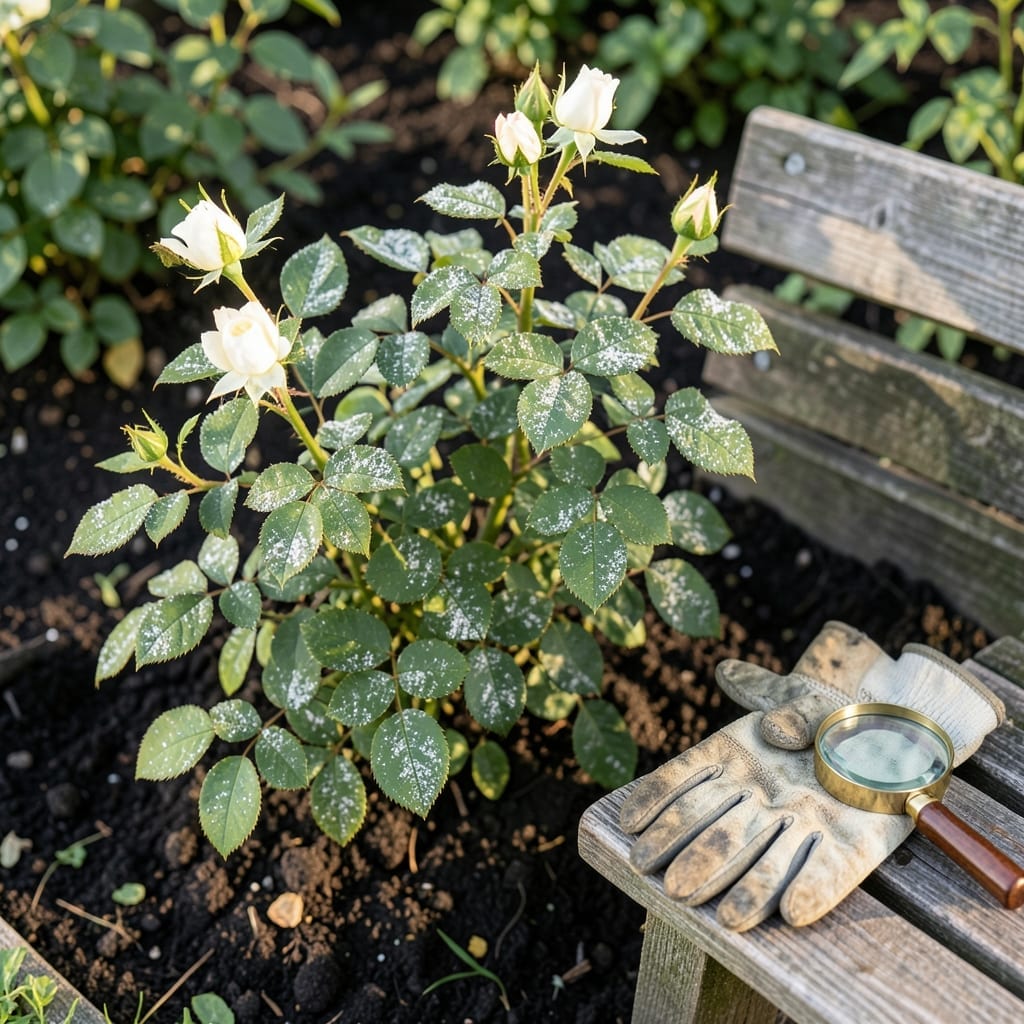
That white dust on your leaves isn’t just dirt. I’ve watched powdery mildew spread across entire plants in 48 hours when conditions are right, turning healthy growth into a sickly mess.
It thrives in humid weather with poor air circulation, hitting roses, squash, and cucumbers hardest. The good news? Catching it early means you can stop it without harsh chemicals.
Neem oil, baking soda sprays, and better spacing work wonders. I’ve saved countless plants with just these simple fixes and a little vigilance.
Prevention beats treatment every time. Here’s how to keep your garden clean and your plants mildew-free all season long.
The appearance of white powdery growth on plants, often called powdery mildew, stems from several environmental and biological factors. Understanding these causes helps you prevent and address the issue effectively.
This fungus thrives in humid conditions (60-80% relative humidity) combined with stagnant air. When moisture lingers on plant surfaces—especially in crowded gardens or greenhouses—spores germinate rapidly. Solution: Improve ventilation with fans or space plants farther apart.
Plants in shady, dimly lit areas are more susceptible because sunlight inhibits spore growth. UV rays naturally suppress fungal development, so prioritize full-sun locations or supplement with grow lights indoors.
Watering late in the day or using overhead sprinklers leaves foliage damp overnight, creating a perfect breeding ground. Actionable fix: Water at the base in the morning, and avoid wetting leaves to reduce risk.
Some species, like roses, cucumbers, and squash, are genetically prone to powdery mildew. Check for resistant cultivars when planting, and monitor high-risk plants closely for early signs.
Dealing with that pesky white powdery fungus? Here’s how to tackle it based on the cause, plus tips to keep it from coming back.
Fix: Reduce watering and ensure your plants have well-draining soil. Let the top inch of soil dry out between waterings. If the pot lacks drainage holes, repot your plant in one that does.
Prevention: Use a moisture meter to monitor soil dampness and always empty saucers after watering to avoid standing water.
Fix: Improve air circulation with a small fan or open windows to lower humidity. For indoor plants, a dehumidifier can help.
Prevention: Space plants apart to allow airflow and avoid misting leaves excessively. Aim for humidity levels below 60%.
Fix: Prune dense foliage to allow better airflow. Move plants to a breezier spot or use an oscillating fan on low.
Prevention: Avoid overcrowding plants and regularly thin out dense growth to keep air moving freely.
Fix: Strengthen plants with a balanced, organic fertilizer to boost their natural defenses. Remove heavily infected leaves or stems to prevent spread.
Prevention: Maintain a consistent care routine—proper lighting, watering, and feeding—to keep plants healthy and resilient.
Fix: Apply a natural fungicide like neem oil or a baking soda solution (1 tsp baking soda + 1 quart water + a few drops of dish soap). Spray every 5-7 days until the fungus clears.
Prevention: Inspect plants regularly for early signs of fungus and treat immediately. Sterilize pruning tools with rubbing alcohol after each use.
💡 Pro Tip: Always water plants at the base to keep leaves dry, reducing the risk of fungal growth!
Yes, but wash your hands after handling. The spores can spread to other plants through contact.
A mix of 1 tsp baking soda and 1 quart water with dish soap works well. Spray every 5-7 days for best results.
It can if spores overwinter. Remove all infected plant debris in fall and rotate crops.
The fungus grows on the surface where humidity collects. Upper leaves get less airflow and more moisture.