
Beautiful Plants For Your Interior
Beautiful Plants For Your Interior
Brown patches ruining your lawn’s green glory? I’ve been there—watching fungus spread like wildfire across grass that was perfect just weeks before. Neem oil became my secret weapon after chemical treatments failed and left my yard looking worse. This natural solution doesn’t just mask the problem; it tackles the fungus at its source while being […]
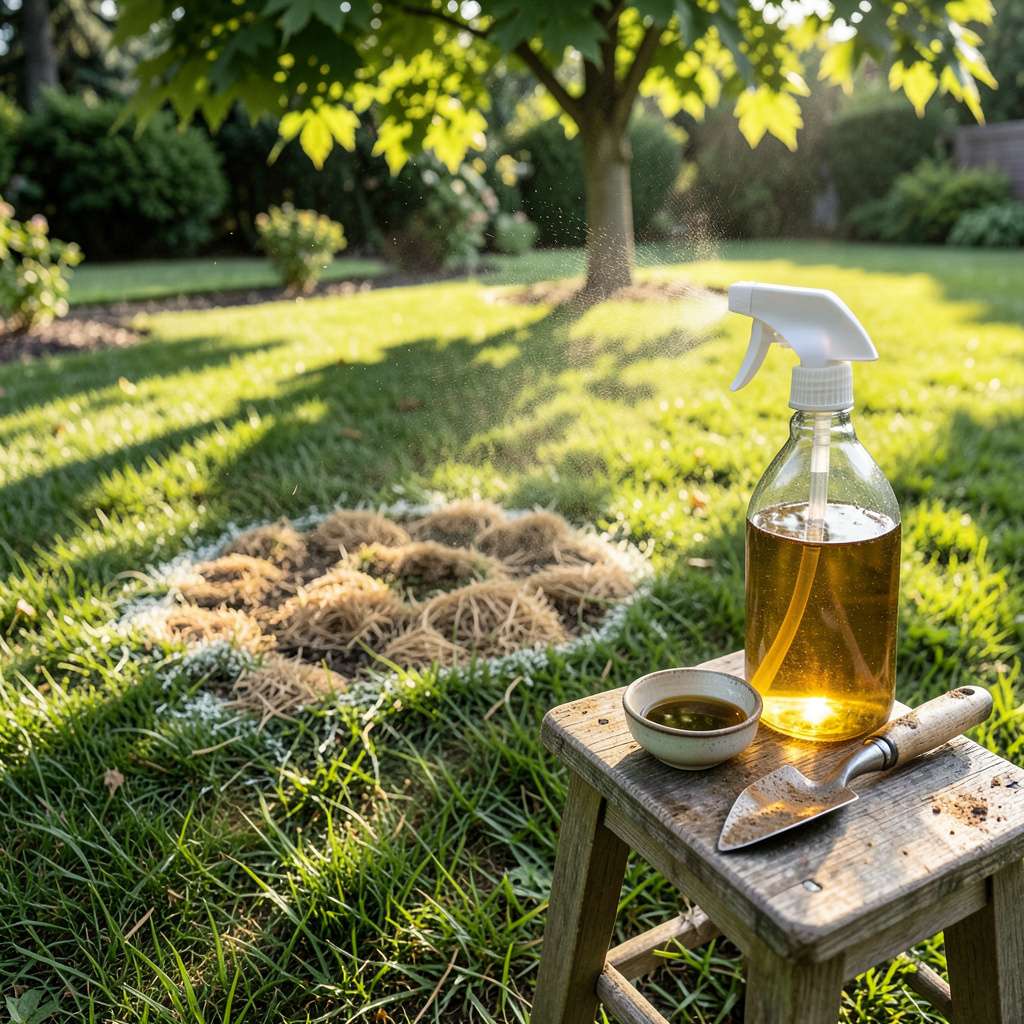
Brown patches ruining your lawn’s green glory? I’ve been there—watching fungus spread like wildfire across grass that was perfect just weeks before. Neem oil became my secret weapon after chemical treatments failed and left my yard looking worse. This natural solution doesn’t just mask the problem; it tackles the fungus at its source while being gentler on your soil and surrounding plants.
The first time I tried neem oil, I was skeptical. Would something so simple really work against those ugly circular patches? Turns out, the key is in the timing and application method. When applied correctly at the first sign of trouble, neem oil stops fungal spores in their tracks and prevents them from spreading. My lawn bounced back in 2-3 weeks, and the fungus hasn’t returned since I started using this method.
What surprised me most was how neem oil improved my lawn’s overall health. Beyond fighting fungus, it strengthened the grass against future outbreaks and even deterred some common pests. The best part? You probably already have most of what you need to get started—no fancy equipment required, just a sprayer and some patience.
Whether you’re dealing with current brown spots or want to prevent future problems, this approach works for any lawn size. The difference between a patchy, struggling yard and that thick, vibrant green you’re after often comes down to this one natural treatment. Here’s exactly how to make it work for your grass.
📚 In This Guide
This natural approach eliminates fungal issues while keeping your grass vibrant and healthy—no harsh chemicals required.
Before treating, confirm you’re dealing with fungus rather than drought or pests. Look for circular brown patches, white powdery coatings, or slimy threads on grass blades. I always check early morning when dew makes fungal growth most visible.
Note the affected area’s size and location. Fungus often spreads from shady, damp spots outward. You’ll want to treat a 2-foot buffer zone beyond visible damage since fungal spores spread before symptoms appear.
Mix 2 tablespoons of cold-pressed neem oil with 1 gallon of water in a sprayer. Add 1 teaspoon of mild liquid soap as an emulsifier—this helps the oil disperse evenly in water. Shake vigorously until the mixture looks uniformly cloudy.
Test the spray on a small, hidden patch first. Wait 24 hours to check for any adverse reactions. Neem oil is generally safe for grass, but some varieties may show temporary yellowing if the concentration is too strong.
Spray the solution evenly over the affected areas on a calm, overcast day. Avoid applying in direct sunlight or when temperatures exceed 85°F—this can cause the oil to burn grass blades. I find early evening applications work best.
Focus on the base of the grass plants where fungus typically starts. You’ll need to saturate the area thoroughly but avoid runoff. The solution should glisten on blades but not pool on the soil. Reapply every 7-10 days until symptoms disappear.
After treatment, modify your routine to prevent recurrence. Water deeply but less frequently—1 inch per week in early morning is ideal. This encourages deep root growth while allowing surface moisture to evaporate quickly.
Improve air circulation by mowing regularly (never remove more than 1/3 of blade length at once) and raking up grass clippings. I’ve found that simply changing mowing patterns each time reduces fungal spores’ ability to spread in a consistent direction.
Watch for new fungal growth over the next 2-3 weeks. Healthy grass will show new green shoots within 5-7 days of effective treatment. If brown patches persist, you may need a second application or to address underlying soil compaction issues.
For ongoing prevention, I apply a diluted neem solution (1 tablespoon per gallon) monthly during humid seasons. This maintains protection without risking oil buildup in the soil. Always store unused mixture in a cool, dark place and use within 48 hours for best results.
After years of battling lawn fungus, we’ve learned these practical insights make all the difference in treatment success.
Application Timing: The 24-hour test period in Step 2 isn’t just a precaution—it’s your safety net. I’ve seen grass varieties react differently to neem oil, especially fine fescues and newer turf blends. Always perform this test in an inconspicuous area and watch for any yellowing or wilting. If you notice discoloration, reduce the neem oil concentration by half for your main application.
Temperature Consideration: That 85°F threshold in Step 3 exists for good reason. Neem oil can literally cook grass blades when combined with direct sunlight and heat. I learned this the hard way after treating a sunny patch at noon during a heatwave. Now I always check the forecast and aim for early evening applications when temperatures are dropping below 80°F, giving the solution time to absorb overnight.
Buffer Zone Strategy: The 2-foot buffer zone mentioned in Step 1 might seem excessive, but fungal spores travel farther than visible damage suggests. I use a simple trick: mark the treatment area with biodegradable flags or a light dusting of cornmeal (which won’t harm your lawn) to ensure complete coverage. This visual guide helps prevent missed spots where fungus could regrow.
Storage Wisdom: That 48-hour window for using your neem solution in Step 5 isn’t arbitrary. The oil begins breaking down after mixing, losing potency. I store any leftover solution in an opaque glass jar in the refrigerator to maximize its shelf life. Just remember to shake vigorously before each use, as the ingredients will separate when cold.
Apply neem oil every 7–14 days for active fungus, or monthly for prevention. Early morning or late evening is best to avoid leaf burn. Always reapply after heavy rain! For severe cases, mix with water (1–2 tbsp per gallon) and spray evenly.
Yes! Neem oil is safe for most grass types, including Bermuda, Kentucky bluegrass, and fescue. Test a small patch first if you have delicate varieties like St. Augustine. Avoid overapplying—stick to the recommended dilution to prevent yellowing.
Spring and fall are ideal—fungus thrives in warm, wet conditions. Apply at the first sign of brown patches or powdery mildew. Avoid midday sun or drought stress. Pro tip: Combine with aeration for better soil penetration!
If fungus persists, try:
Rotate treatments to prevent resistance. Neem oil + dish soap (1 tsp) can enhance sticking power!
Brown patches may persist if:
Check for grubs or nutrient deficiencies too. Patience is key—results take 2–4 weeks.
Neem oil is a powerful, natural solution for tackling lawn fungus—restoring your grass’s health without harsh chemicals. 🌱 By applying it correctly and staying consistent, you’ll see greener, fungus-free results in just a few weeks. Plus, it’s budget-friendly and eco-safe for pets and kids!
Ready to revive your lawn? Start with a small test patch today, then scale up as you see success. For stubborn cases, pair neem oil with pro lawn care habits like proper watering and aeration. Your lush, vibrant yard is just a spray away! 💚
