
Beautiful Plants For Your Interior
Beautiful Plants For Your Interior
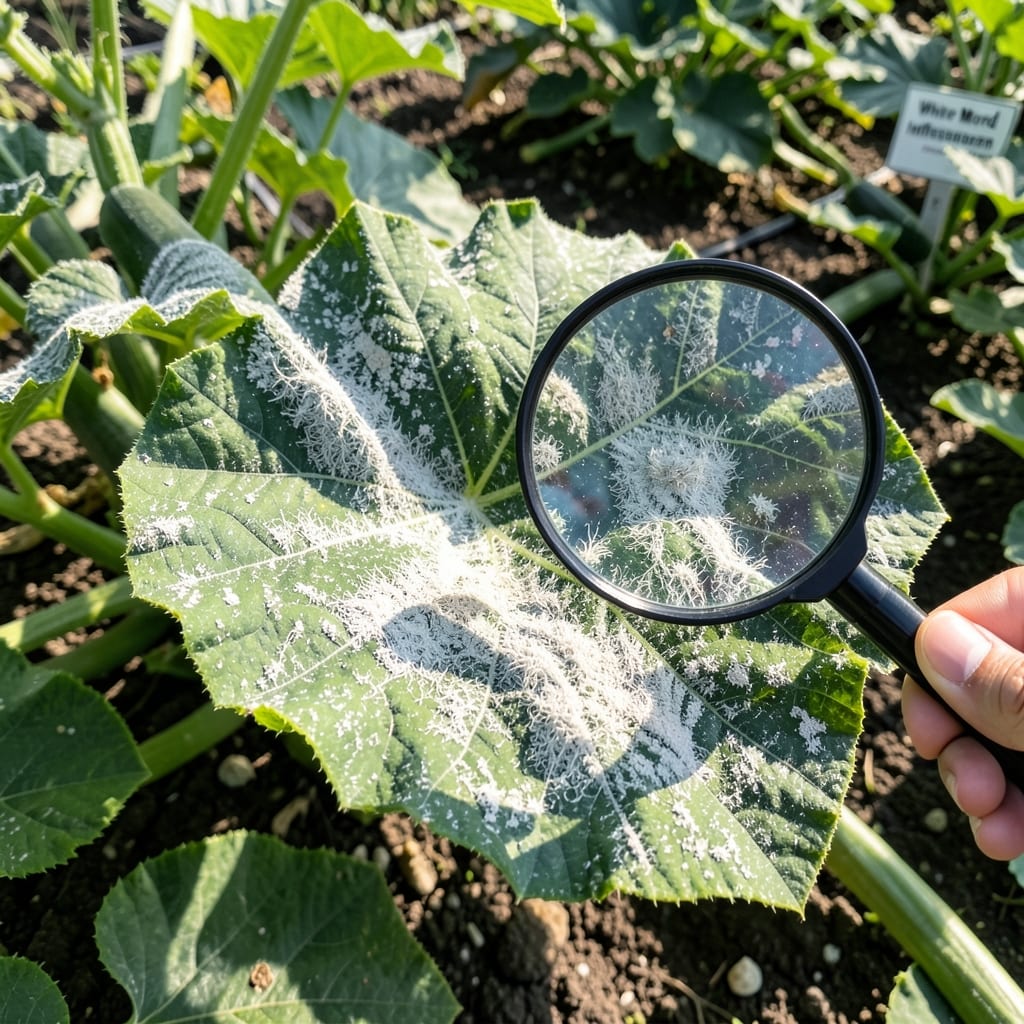
I first noticed the white fuzz on my zucchini leaves last summer. It spreads fast, turning healthy plants into a cottony mess overnight. This isn’t just unsightly—it can choke your plants if left unchecked.
White mold thrives in humid conditions with poor air circulation. I’ve learned it hits hardest after rainy weeks or in crowded garden beds. The key is catching it early before it takes over your entire planting area.
You can fight this with simple solutions like removing affected foliage, improving airflow, and applying organic fungicides. Prevention is easier than cure with this particular garden invader.
Works for vegetable patches, flower beds, and container gardens alike. Here’s how to spot and stop it.
White garden mold, often caused by fungal pathogens like Sclerotinia sclerotiorum or Botrytis cinerea, thrives under specific conditions. Understanding these triggers helps prevent outbreaks and protect your plants.
Fungi flourish in damp environments. Overwatering, poor drainage, or high humidity (above 80%) create ideal breeding grounds. Waterlogged soil or dense plant canopies that trap moisture can accelerate mold growth. Ensure proper spacing between plants and use drip irrigation to keep foliage dry.
Cool nights (50–60°F) paired with warm days can stress plants, making them more susceptible to fungal spores. White mold often emerges in spring or fall when temperature swings are common. Use row covers or mulch to stabilize soil temperature.
Stagnant air allows spores to settle and germinate. Overcrowded gardens or thick mulch layers restrict airflow, promoting mold spread. Prune regularly and remove weeds to improve ventilation.
Excess nitrogen in soil can lead to lush, soft growth that’s more vulnerable to infection. Conversely, potassium deficiencies weaken plant defenses. Test soil and adjust fertilizers to maintain balanced nutrition.
Fungal spores persist on infected plant debris, tools, or even garden gloves. Failing to clean tools or remove old plant material can reintroduce the pathogen. Sterilize tools with rubbing alcohol and clear garden debris promptly.
White garden mold can be stubborn, but these targeted solutions will help you reclaim your garden’s health. Address the root cause first for the best results.
If soggy soil is the culprit, let the top inch dry out between waterings. Fix it: Amend heavy clay soil with compost or sand to boost drainage. Raise garden beds or use containers if poor drainage persists. Prevention tip: 💡 Water early in the day so excess moisture evaporates before nightfall.
Dense foliage traps humidity, creating a mold paradise. Fix it: Thin out crowded plants and trim lower leaves to allow airflow. Space seedlings according to their mature size. Prevention tip: 🌬️ Stake tall plants or use trellises to keep them upright and separated.
Fallen leaves and decaying plant matter feed mold growth. Fix it: Rake up debris weekly, especially in damp seasons. Use a mulch of straw or wood chips (not grass clippings) to suppress spores. Prevention tip: 🧹 Disinfect gardening tools with a 10% bleach solution after handling infected plants.
For active mold, act fast. Fix it: Spray affected areas with a mix of 1 teaspoon baking soda + 1 quart water + a few drops of dish soap. Repeat every 5–7 days until it clears. For severe cases, use neem oil or a copper-based fungicide. Prevention tip: ✨ Rotate crops yearly to prevent fungal buildup in the soil.
Most garden molds are harmless, but it’s wise to wear gloves when handling affected plants. Some people may experience skin irritation, especially with prolonged exposure. Always wash hands thoroughly after gardening.
Avoid composting heavily infected material as spores may survive. For hot compost piles reaching 140°F+, small amounts may be safe. When in doubt, dispose of in sealed bags.
Yes, fungal spores travel easily through air, water, and garden tools. Isolate affected plants immediately and avoid overhead watering. Clean tools between uses with rubbing alcohol.
Inspect plants weekly during humid weather, especially after rain. Focus on lower leaves and crowded areas first. Early detection makes treatment much easier.