
Beautiful Plants For Your Interior
Beautiful Plants For Your Interior
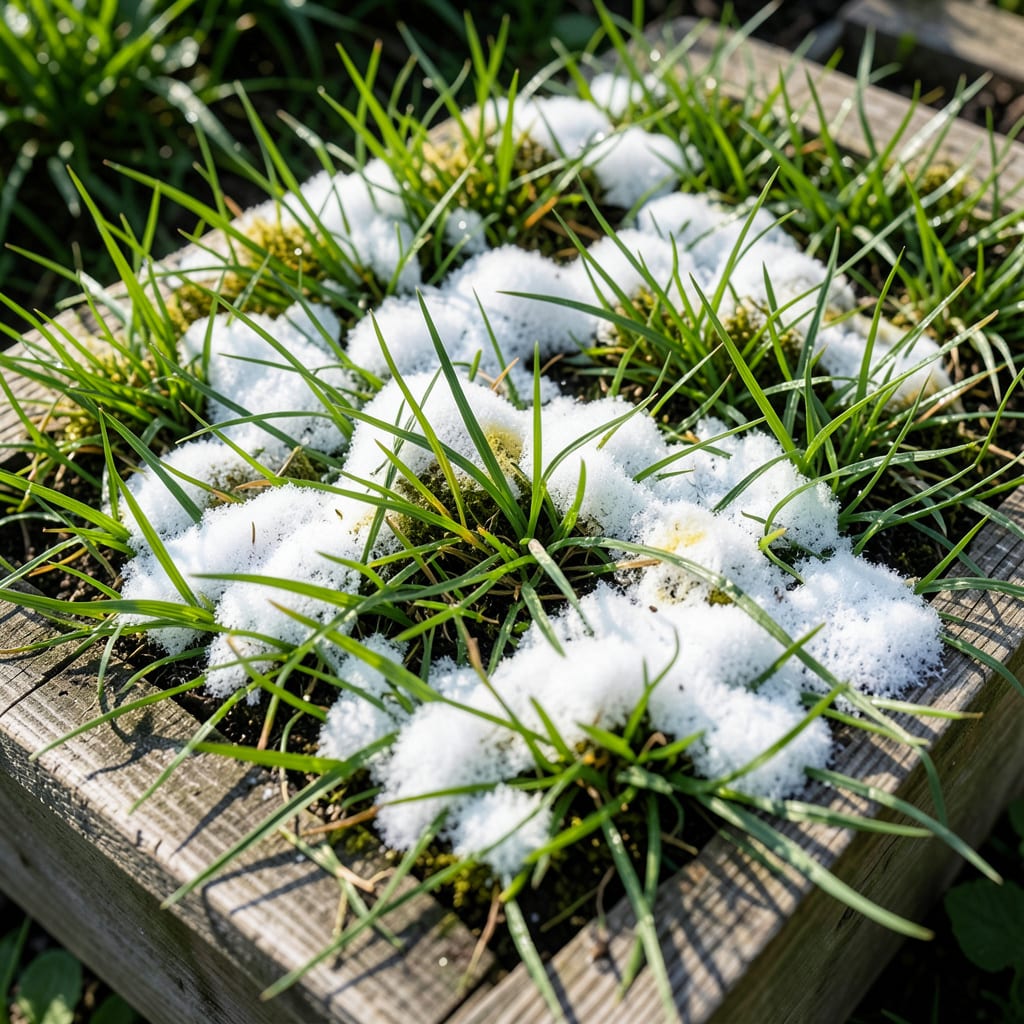
That white stuff on your lawn isn’t just unsightly—it’s a red flag. I spotted it last summer and ignored it for 2 weeks, then watched it spread like wildfire across my backyard.
Here’s the thing—white mold can choke out healthy grass, create dead patches, and even jump to nearby plants if left unchecked. It thrives in damp, shaded areas where air doesn’t circulate well.
Fortunately, it’s fixable with the right approach. A little rake work, some sunlight adjustments, and a simple treatment can stop it in its tracks.
No need to panic, but don’t wait. The sooner you act, the faster your lawn bounces back to its vibrant green self.
White mold on grass, often caused by Sclerotinia or other fungal pathogens, thrives under specific environmental conditions. Understanding these triggers can help you prevent its spread and protect your lawn.
Fungi flourish in damp environments. Overwatering, poor drainage, or frequent rain can create the perfect breeding ground for white mold. Grass that stays wet for extended periods—especially in shaded areas—is highly susceptible. Action: Reduce irrigation, improve drainage, and water early in the day to allow grass to dry.
White mold prospers in temperatures between 60–75°F (15–24°C) with humidity levels above 85%. These conditions are common in spring and fall, making these seasons peak times for outbreaks. Action: Increase airflow by trimming nearby shrubs and aerating compacted soil.
A thick layer of thatch (dead organic matter) or overly dense grass traps moisture and blocks sunlight, creating a haven for fungi. Action: Dethatch your lawn annually and mow regularly to improve air circulation.
Compacted or nutrient-deficient soil weakens grass, making it more vulnerable to fungal infections. Low nitrogen levels, in particular, can stress turfgrass. Action: Test soil pH and fertility, then amend with organic matter or balanced fertilizers as needed.
Fungal spores can spread via infected lawn equipment, foot traffic, or decaying plant debris left on the grass. Action: Clean mowers and tools with a 10% bleach solution, and remove clippings or fallen leaves promptly.
White mold on grass can be unsightly and potentially harmful, but these practical solutions will help you tackle it effectively. Here’s how to address the issue based on common causes:
If excess moisture is the culprit, reduce watering frequency and ensure your lawn has proper drainage. Aerate compacted soil to allow air and water to circulate freely. Consider installing a French drain if standing water is a recurring issue.
Thatch and fallen leaves create a perfect breeding ground for mold. Rake or dethatch your lawn to remove organic buildup. Regularly clean up grass clippings and leaf litter to prevent future growth.
Water your lawn early in the morning so the grass has time to dry before evening. Avoid watering at night, as prolonged dampness encourages mold. Use a moisture meter to ensure you’re not overwatering.
With these steps, you can restore your lawn’s health and keep white mold at bay! ✨
Yes, fungal spores can travel through air, water, or contaminated tools. Keep infected areas isolated and clean equipment with a 10% bleach solution to prevent cross-contamination.
Not usually—grass often recovers with proper treatment. Act quickly by removing moldy patches and improving drainage to give your lawn the best chance.
While not typically toxic, it’s best to keep them off affected areas until treated. Use natural remediation like neem oil to avoid chemical exposure.
Natural fungicides may show results in 1-2 weeks, while commercial products often work faster. Consistency in application is key for full recovery.
