
Beautiful Plants For Your Interior
Beautiful Plants For Your Interior
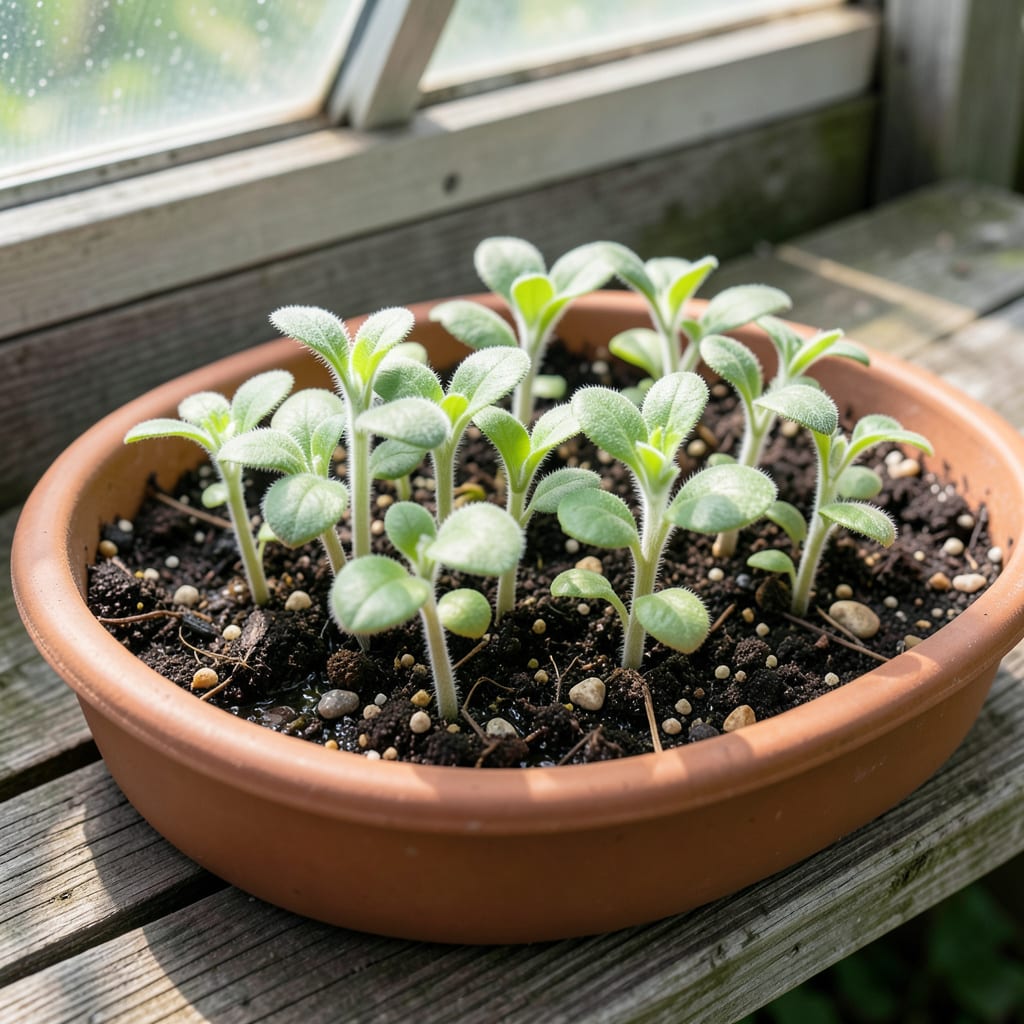
White fuzz on your seedlings means trouble, but I’ve seen it stopped in 48 hours with the right approach. This isn’t just cosmetic—it’s a sign your plants are under attack from fungal invaders that can spread fast.
The culprit is usually poor air circulation or excess moisture. I learned the hard way that crowded trays and soggy soil create perfect conditions for this problem. Simple fixes like spacing plants and using a fan make a huge difference.
Early action saves your seedlings. Remove affected plants immediately, then treat the rest with a natural fungicide. Within days, you’ll see healthy green growth returning instead of that telltale fuzzy coating.
Prevention is easier than cure. Start with clean trays, sterile soil, and proper watering habits. Your next batch of seedlings will thank you for the extra attention to detail.
The white fuzz you’re seeing on your seedlings is typically a fungal infection, most commonly caused by Sclerotinia or Botrytis species. These fungi thrive in cool, damp conditions, and their spores spread quickly when given the right environment. Below are the primary causes, each with actionable insights to help you address the root of the problem.
Excess moisture is the number one culprit. When seedlings sit in soggy soil, oxygen is displaced, creating an anaerobic environment that fungi love. Sclerotinia (white mold) and Pythium (damping-off) flourish in these conditions, leading to the telltale fuzzy growth. Ensure your seed trays have drainage holes and that you’re watering only when the top inch of soil is dry.
Greenhouses and indoor growing setups often suffer from stagnant air, which traps moisture around seedlings. Botrytis cinerea (gray mold) thrives in high humidity (above 85%) and can manifest as white or gray fuzz. Use a small fan to improve airflow and keep humidity between 40-60% for most seedlings. A simple oscillating fan on low can make a huge difference.
Fungal spores can lurk in reused potting mix, unsterilized tools, or even on your hands. If you’ve had outbreaks before, the pathogens may still be present. Always sterilize your seed-starting mix by baking it at 200°F (93°C) for 30 minutes or using a commercial sterilizing product. Clean tools with a 10% bleach solution to prevent cross-contamination.
When seedlings are too close together, air can’t circulate properly, and moisture gets trapped. This creates microclimates where fungi can take hold. Thin seedlings early to allow for at least 1-2 inches of space between them, or transplant them to larger containers as soon as they develop their first true leaves.
Dealing with white fuzz on your seedlings can feel alarming, but don’t worry—here’s how to tackle each cause with simple, actionable fixes. 🌱
If soggy soil is the culprit, stop watering immediately and let the soil dry out. Move seedlings to a well-ventilated area with indirect light. Use a fan on low to improve air circulation. For future prevention, water only when the top inch of soil is dry, and ensure pots have drainage holes.
Reduce humidity by spacing seedlings farther apart to allow airflow. If growing in a greenhouse or under a dome, remove the cover for a few hours daily. Consider a dehumidifier for indoor setups. Pro tip: A small fan can work wonders to keep humidity in check. 💡
Gently remove affected seedlings to prevent the fungus from spreading. Spray the remaining seedlings and soil with a neem oil solution (1 tsp neem oil + 1 quart water + a few drops of dish soap) or a baking soda mix (1 tsp baking soda + 1 quart water). Repeat every 5–7 days until the fuzz disappears. Always sterilize tools and pots with rubbing alcohol before reuse.
Thin seedlings so each has enough space to grow without competing for light and air. If they’re too close, carefully transplant some to new containers. Aim for at least 2–3 inches between each seedling to reduce moisture buildup.
Remove dead leaves, debris, or old soil from the growing area. Clean trays and tools with a 10% bleach solution (1 part bleach to 9 parts water) to kill spores. Prevention tip: Always use fresh, sterile potting mix for new seedlings to avoid contamination. ✨
By addressing the root cause and adjusting your care routine, your seedlings will bounce back healthier and stronger!
Yes, fungal spores spread quickly through air and water. Remove affected seedlings immediately and isolate them. Treat healthy ones with a neem oil spray to prevent contamination.
Possibly. Trim affected areas, improve airflow, and apply a baking soda solution. If fuzz returns within 48 hours, remove the seedling to protect others.
Use sterile soil, space seedlings 2-3 inches apart, and water only when the top soil is dry. A small fan improves airflow significantly.
Direct sunlight can help dry soil, but it won’t eliminate spores. Combine it with airflow and fungicide treatments for best results. Sunlight alone isn’t enough.
