
Beautiful Plants For Your Interior
Beautiful Plants For Your Interior
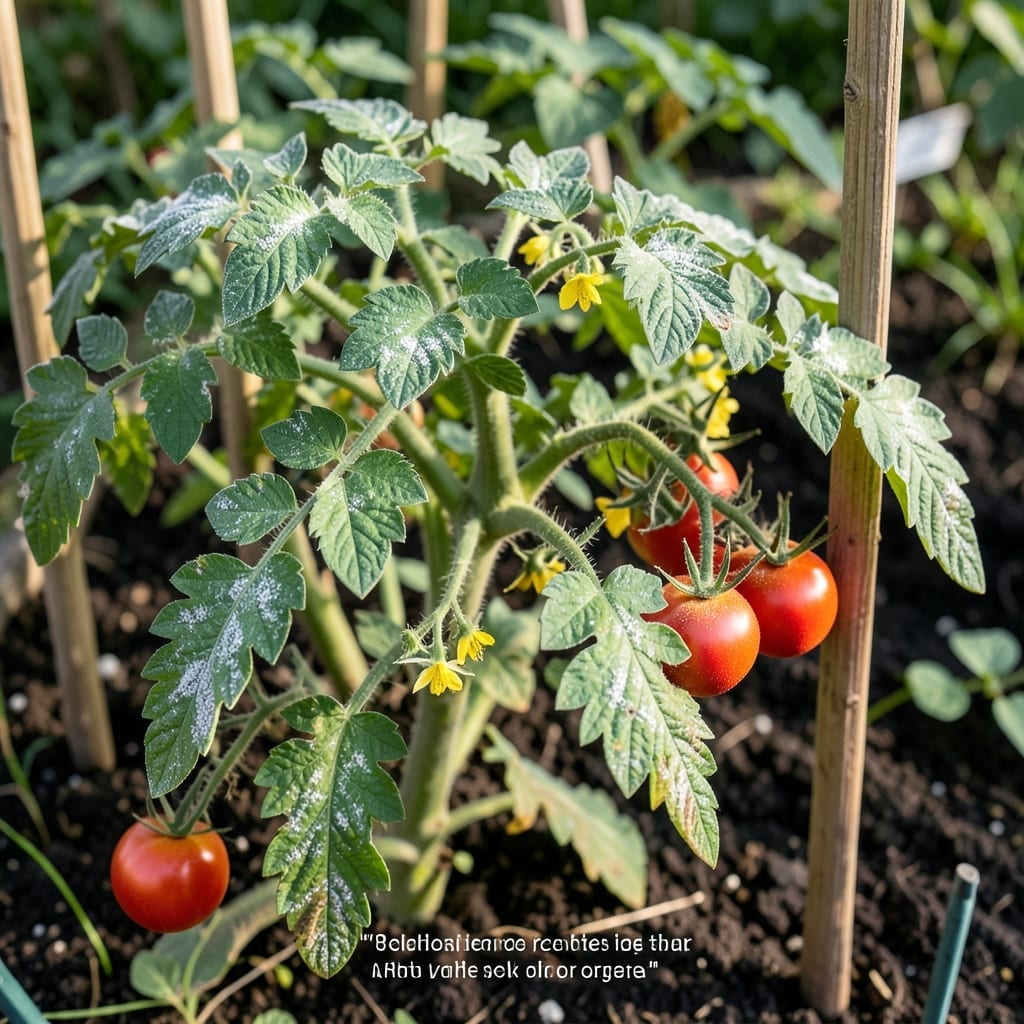
White fuzz on your tomato plants isn’t just unsightly—it’s a red flag. I first spotted it on my heirlooms three seasons ago and ignored it until half my crop was ruined.
Turns out it’s usually powdery mildew or mealybugs, both thriving in humid, crowded conditions. The good news? You can stop it with simple fixes like better airflow, neem oil, or even a baking soda spray.
I saved my next batch by catching it early and treating it naturally. Within a week, the fuzz disappeared and the plants bounced back stronger than before.
Works for garden beds, containers, or greenhouse setups. Here’s how to diagnose and treat it before it spreads.
White fuzz on tomato plants is a distress signal, and understanding its root causes is the first step to saving your crop. Below are the most common culprits, each with a clear explanation to help you diagnose the issue.
One of the primary causes of white fuzz is powdery mildew, a fungal disease caused by pathogens like Podosphaera xanthii or Erysiphe cichoracearum. This fungus thrives in warm, dry conditions with high humidity (60-80°F). It appears as a white, powdery coating on the upper surfaces of leaves, stems, and sometimes fruit. The fungus spreads via airborne spores, so poor air circulation and crowded plantings accelerate its growth.
Mealybugs are tiny, soft-bodied insects that secrete a white, cottony substance as they feed on plant sap. They often cluster in leaf axils, undersides of leaves, or stem joints, creating a fuzzy white appearance. These pests weaken the plant by sapping nutrients and can also introduce sooty mold, a secondary fungal issue. Check for sticky residue (honeydew) or ants, which are drawn to the mealybugs’ secretions.
Extreme temperature fluctuations, overwatering, or poor drainage can stress tomato plants, making them more susceptible to fungal growth. White fuzz may also indicate edema, where cells burst due to inconsistent water uptake, creating a fuzzy texture. Ensure consistent moisture levels and avoid wetting the foliage to reduce stress-related issues.
Tomato plants in dense plantings or shaded areas with stagnant air are prone to fungal diseases. The lack of airflow traps moisture on the leaves, fostering spore germination. Prune excess foliage and space plants 18-24 inches apart to improve ventilation and reduce humidity buildup.
White fuzz on your tomato plants is manageable with the right approach. Below are targeted solutions for each common cause, along with prevention tips to keep your plants healthy.
Mix 1 tablespoon baking soda, 1 teaspoon dish soap, and 1 gallon of water. Spray this solution on affected leaves weekly until the fuzz disappears. For severe cases, use neem oil (follow package instructions).
Wipe leaves with a cotton swab dipped in rubbing alcohol to remove pests. For larger infestations, spray with insecticidal soap or introduce ladybugs (natural predators).
Let the soil dry out between waterings. If the problem persists, repot in well-draining soil and ensure containers have drainage holes. Trim affected roots if rot is present.
Remove and discard affected leaves or fruit immediately. Apply a copper fungicide to prevent spread. Keep the garden clean to reduce fungal spores.
No, but remove affected parts before eating. Powdery mildew isn’t toxic, but mealybugs leave sticky residue. Always wash produce thoroughly.
Fungal spores travel fast in humid conditions—within 2-3 days. Isolate affected plants and treat immediately to prevent outbreak.
Yes, mix 2 tablespoons white vinegar per 1 gallon of water and spray weekly. Works best for mild powdery mildew cases.
Possibly if spores overwinter. Rotate crops, remove plant debris, and solarize soil to prevent recurrence.