
Beautiful Plants For Your Interior
Beautiful Plants For Your Interior
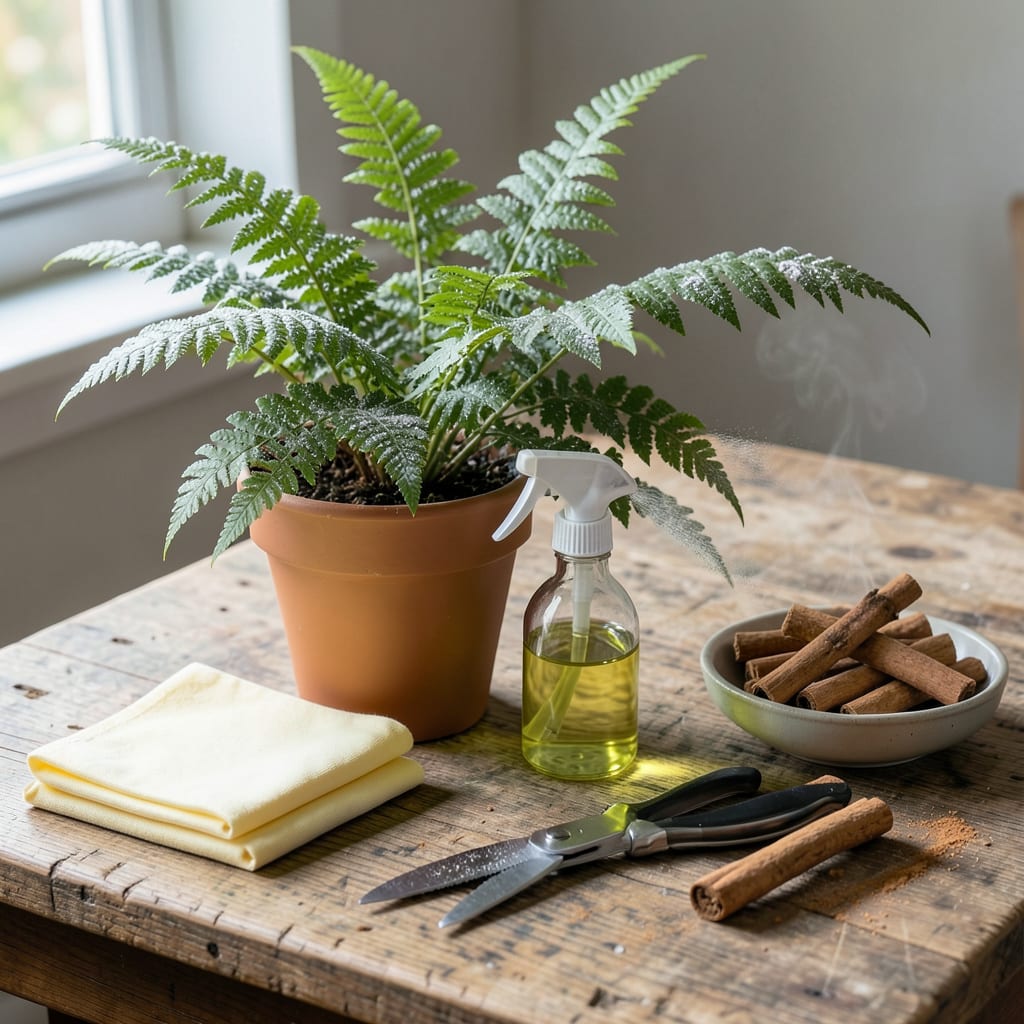
White spots on your leaves mean trouble. I’ve battled plant fungus for years, and here’s what I wish I knew earlier: catching it early makes all the difference.
Fungus thrives in damp, still conditions, so improving airflow and adjusting watering habits stops it in its tracks. I use a simple baking soda spray as my first line of defense—it works for most mild cases.
Within 3-5 days, you’ll see the spread slow, and new growth stays clean. The key is consistency: treat every 5-7 days until the problem vanishes completely.
Prevention is easier than cure. Space plants properly, water at the base, and keep leaves dry. That’s how you keep fungus from coming back.
Plant fungus thrives under specific conditions, often catching gardeners off guard. Understanding the root causes helps you prevent outbreaks before they start. Below are the most common triggers, explained with actionable insights.
Fungi love damp environments. Overwatering, poor drainage, or high humidity creates the perfect breeding ground. When soil stays soggy, fungal spores—always present in the air—germinate and attack roots, stems, or leaves. Solution: Water only when the top inch of soil is dry, and ensure pots have drainage holes.
Stagnant air traps moisture around foliage, encouraging fungal growth like powdery mildew or leaf spot. Dense plantings or crowded garden beds restrict airflow, making it easier for spores to spread. Solution: Space plants according to their mature size, and prune regularly to improve ventilation.
Sudden shifts in temperature—especially cool, damp nights followed by warm days—stress plants and weaken their defenses. Fungi like Botrytis (gray mold) thrive in these conditions. Solution: Use mulch to stabilize soil temperature and avoid late-day watering to reduce overnight dampness.
Fungal spores hitchhike on dirty gardening tools, infected plant debris, or unsterilized potting mix. Reusing contaminated tools or soil spreads pathogens to healthy plants. Solution: Sterilize tools with rubbing alcohol and use fresh, high-quality potting mix for new plantings.
Plants under stress—from nutrient deficiencies, pests, or physical damage—are more susceptible to fungal infections. A compromised plant’s immune system can’t fend off spores as effectively. Solution: Maintain plant health with balanced fertilization, proper lighting, and prompt treatment of pests or injuries.
Fungal infections on your plants can be frustrating, but they’re often easy to treat with the right approach. Below are targeted solutions for common causes, along with prevention tips to keep your garden thriving. 🌱
If soggy soil is the culprit, start by reducing watering frequency and ensuring pots have drainage holes. Repot waterlogged plants into fresh, well-draining soil mixed with perlite or sand. For garden beds, amend heavy clay soil with compost to improve drainage. Prevention tip: 💡 Water only when the top inch of soil is dry, and use a moisture meter to avoid guesswork.
Remove infected soil and replace it with a sterile potting mix. For mild cases, bake the soil at 200°F (93°C) for 30 minutes to kill spores, or drench it with a 1:10 hydrogen peroxide-to-water solution (3% peroxide). Prevention tip: ✨ Always use clean pots and tools, and avoid reusing soil from infected plants.
Space out plants to allow airflow, and prune dense foliage to reduce humidity. Use a small fan on low settings to circulate air in indoor setups. For outdoor plants, water in the morning so leaves dry quickly. Prevention tip: 🌡️ Group plants with similar moisture needs together and avoid overhead watering.
Fungi often enter through wounds caused by pests. Remove damaged leaves and treat pests with neem oil or insecticidal soap. Strengthen plants with a seaweed-based fertilizer to help them recover. Prevention tip: 🎯 Regularly inspect plants for pests and address infestations immediately.
Soak pruners, shovels, and other tools in a 1:9 bleach-to-water solution for 10 minutes, then rinse and dry. Alternatively, use rubbing alcohol (70% or higher) for quick disinfection. Prevention tip: 🔥 Always clean tools between uses, especially when moving from one plant to another.
Isolate the affected plant immediately and remove infected leaves. Apply a baking soda spray (1 tsp baking soda, 1 quart water, few drops dish soap) to halt progression within 24-48 hours.
Yes, a 1:8 vinegar-to-water solution works for mild cases. Test on a small area first as vinegar can burn sensitive plants. Reapply every 3-4 days until clear.
Improve airflow by spacing plants 6-12 inches apart. Water at the base in the morning so leaves dry quickly. Always sterilize tools between uses.
No. Fungal spores survive composting and can reinfect new plants. Seal infected material in a bag and discard with household trash. Never add to compost piles.
