
Beautiful Plants For Your Interior
Beautiful Plants For Your Interior
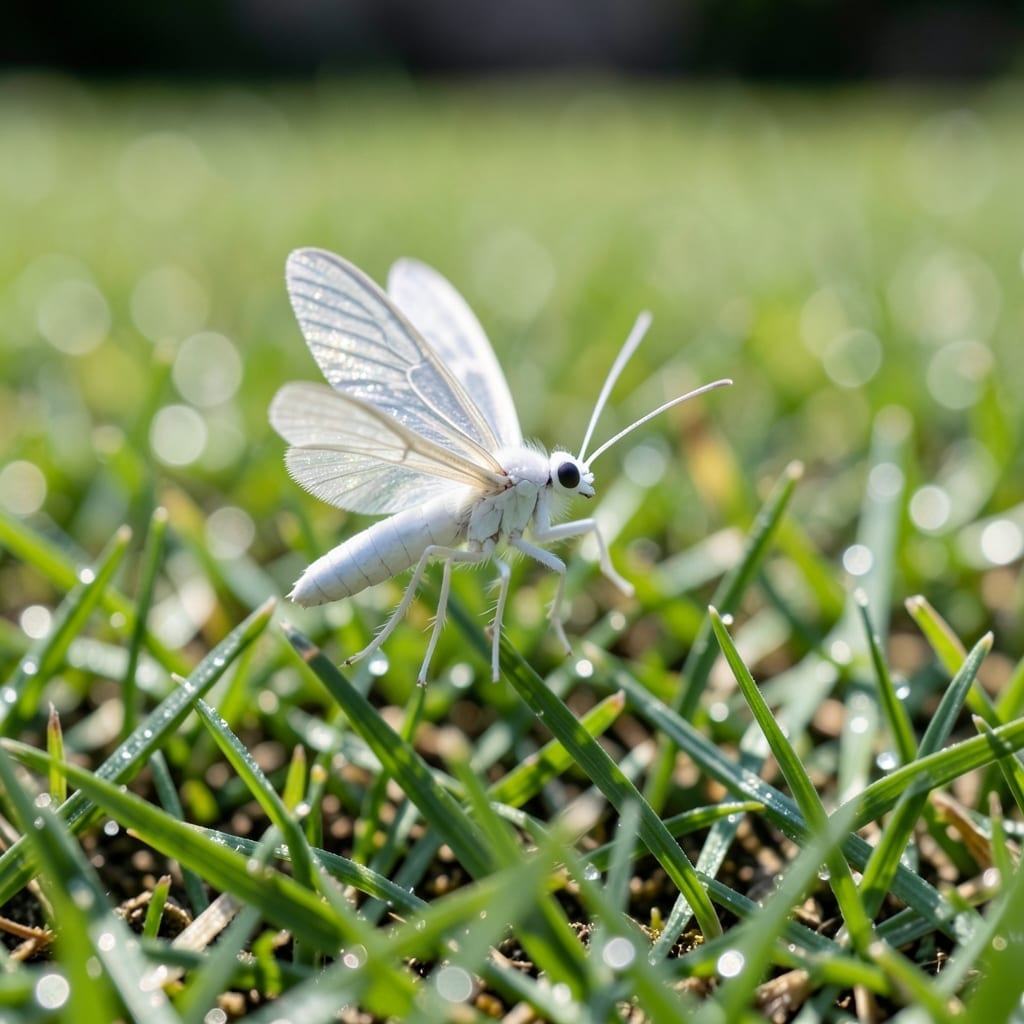
Those tiny white clouds hovering over your grass aren’t fairies. 🌱 I spotted the same thing last summer—turns out they were whiteflies, and they multiply faster than you can say “lawn treatment.”
The good news? They’re not invincible. A strong blast from the hose knocks them off plants instantly. For stubborn infestations, insecticidal soap does the trick without harsh chemicals.
Prevention is simpler than you think. Keep your lawn healthy with proper watering and mowing—weak grass attracts pests like these. Also, watch for sticky residue on leaves, a sure sign they’ve been feeding.
Act now and you’ll see results within 48 hours. Your lawn will thank you with that rich green color we all love.
White flying insects in your lawn often appear due to specific environmental and biological triggers. Understanding these causes helps you address the root of the problem effectively.
Excess moisture creates the perfect breeding ground for pests like fungus gnats or whiteflies. Soggy soil encourages fungal growth, which attracts these insects. Overwatered lawns also weaken grass, making it more susceptible to infestations. Actionable tip: Reduce watering frequency and improve drainage with aeration or organic matter.
Thatch, fallen leaves, and grass clippings decompose slowly, providing food and shelter for white flying pests. Springtails and moth flies thrive in these conditions. Regularly rake and remove debris to eliminate their habitat.
Whiteflies and other flying insects proliferate in warm, humid climates. High temperatures accelerate their life cycles, leading to rapid population growth. Actionable tip: Monitor weather patterns and treat your lawn preemptively during peak humidity seasons.
Excess nitrogen from synthetic fertilizers promotes lush, tender grass—ideal for pests like aphids and whiteflies. Switch to slow-release organic fertilizers to avoid overstimulating growth that attracts insects.
Dealing with white flying insects in your lawn starts with identifying the root cause. Below are targeted solutions for the most common culprits, along with prevention tips to keep your grass pest-free.
Too much moisture invites fungus gnats and whiteflies. Reduce watering frequency but water deeply when you do—early morning is best. Ensure your lawn has proper drainage to avoid standing water. Prevention tip: 💡 Use a rain gauge to track natural rainfall and adjust your schedule accordingly.
Fungus gnats thrive in damp, decaying organic matter. Treat affected areas with a natural fungicide like neem oil or a commercial product labeled for lawn fungi. Remove thatch buildup to deny pests their breeding ground. Prevention tip: 🌡️ Aerate your lawn annually to improve air circulation and reduce fungal risks.
White grubs and other soil-dwelling pests can attract flying adults. Apply beneficial nematodes (e.g., Heterorhabditis bacteriophora) to target larvae naturally. For severe infestations, use a grub-specific insecticide. Prevention tip: ✨ Rotate your lawn treatments to prevent pest resistance.
A weak lawn is a magnet for pests. Fertilize regularly with a balanced product and mow at the correct height for your grass type. Overseed bare spots to eliminate entry points for insects. Prevention tip: 🎯 Test your soil annually and amend it based on the results to maintain optimal health.
Combine these fixes with regular monitoring—check for early signs like wilting grass or small swarms at dusk—to catch problems before they spread.
Yes, they can damage grass by feeding on sap and spreading disease. Small numbers won’t cause immediate harm, but large infestations weaken turf.
A dawn or dusk spray of insecticidal soap works in 24-48 hours. For severe cases, try neem oil or beneficial nematodes for larvae.
Reduce overwatering, remove organic debris, and aerate soil annually. Strong, healthy lawns resist pests naturally.