
Beautiful Plants For Your Interior
Beautiful Plants For Your Interior
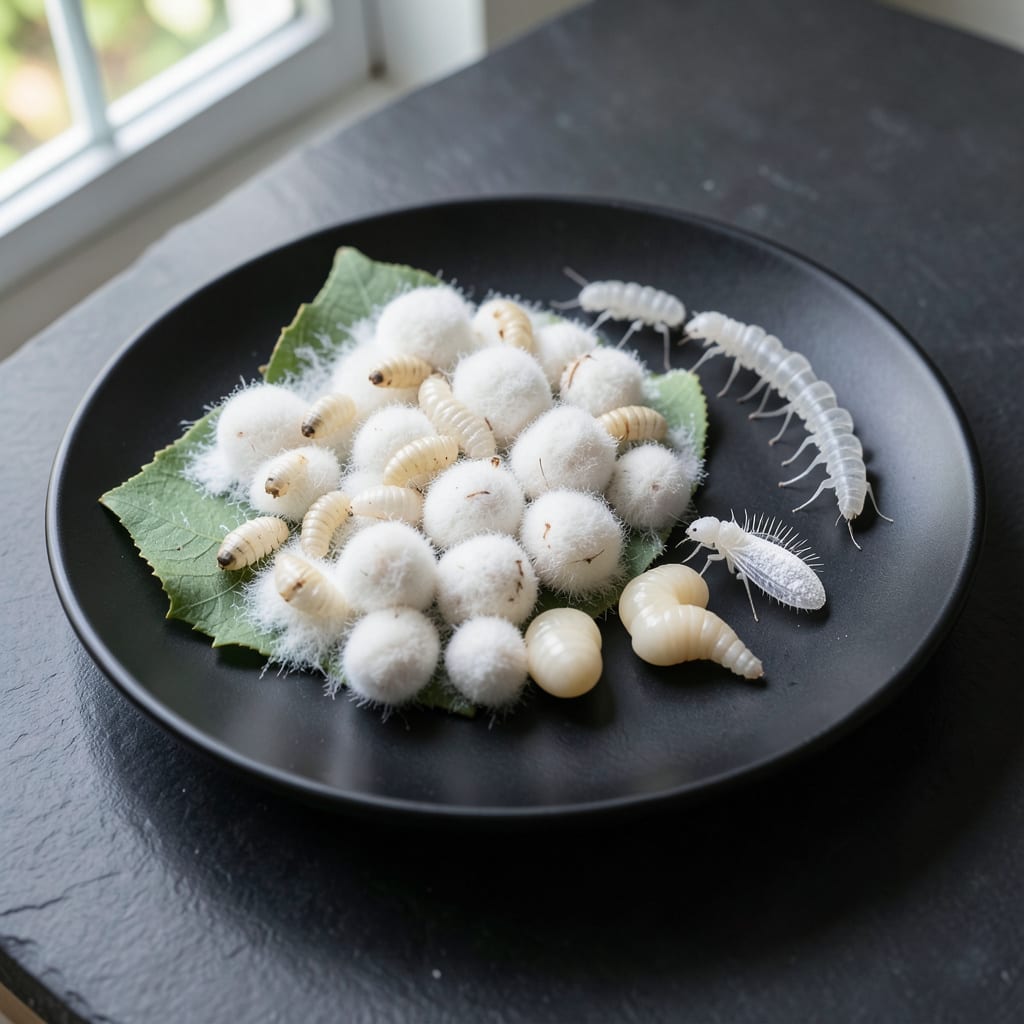
White insects in your garden are often trouble in tiny packages. I’ve battled these pests for years, and the most common culprits are aphids, mealybugs, and whiteflies—each leaving their own signature damage on plants.
Spotting them early is key. These pests suck sap, weaken growth, and spread disease, but simple solutions like soapy water sprays or beneficial insects can turn the tide before they take over.
📚 In This Guide
Here’s how to identify and understand the white insects you might encounter in your garden or home.
Start by examining the insect’s size, shape, and movement. Mealybugs appear as small, cottony white masses clustered on stems and leaf undersides. They’re slow-moving and often found in groups, secreting a sticky substance that attracts ants and promotes sooty mold growth.
Aphids, while often green, can also be white and appear as tiny, pear-shaped insects that cluster on new growth. They move more quickly than mealybugs when disturbed. Whiteflies, true to their name, are small, moth-like insects that scatter when plants are shaken.
For insects found in soil, look for distinct characteristics. Grubs are C-shaped white larvae with brown heads, often found when turning compost or garden soil. They’re the immature stage of beetles and can be up to 1 inch long.
Springtails are tiny, pinhead-sized white insects that jump when disturbed. They thrive in moist conditions and are often found in potting soil or damp garden areas. While harmless, their presence can indicate overwatering.
Indoors, white insects often indicate different issues. Termite swarmers are winged and white, often mistaken for flying ants. They shed their wings and are a sign of potential structural damage. Clothes moth larvae are small, grub-like white caterpillars found in fabrics.
Silverfish, while not purely white, are silvery and can appear white in certain lighting. They’re carrot-shaped and move with a wiggling motion, often found in damp areas like bathrooms or basements.
Observe where the insects congregate. Mealybugs and aphids typically stay on plants, while grubs remain in soil. Whiteflies take flight when disturbed, creating a small cloud of white insects. Termite swarmers are often found near windows or light sources.
Check for damage patterns. Mealybugs and aphids cause yellowing leaves and stunted growth, while grubs damage plant roots. Termites leave behind mud tubes or damaged wood, and clothes moth larvae create holes in fabrics.
Use these observations to accurately distinguish between similar-looking white insects in your home or garden.
Visual Clues Matter: In Step 1, focus on texture—mealybugs have that distinctive cottony appearance, while whiteflies look more like tiny moths. Aphids, though often green, have a pear shape when white. This subtle difference is key to proper identification.
Behavior Tells All: Step 4 emphasizes movement patterns: whiteflies scatter when disturbed, creating that telltale cloud, while mealybugs stay put. Termite swarmers near windows are a red flag for structural issues, so don’t ignore their location.
Size and Shape: Springtails are pinhead-sized and jump, while grubs are C-shaped and up to 1 inch long in soil. Indoor pests like clothes moth larvae are grub-like in fabrics. These size differences prevent misidentification.
Most white insects, like mealybugs or termites, don’t bite or sting but can damage plants or wood. However, some, like whiteflies, may trigger allergies in sensitive individuals. Always handle with care!
White insects often appear due to moisture, decaying organic matter, or infested plants. Common culprits include termites, booklice, or pantry pests. Check damp areas or stored food first.
Try wiping plants with soapy water for mealybugs or using diatomaceous earth for crawling pests. Neem oil is another great organic option for whiteflies and aphids.
Yes! Whiteflies, aphids, and mealybugs love garden plants. They suck sap, weaken growth, and spread diseases. Inspect undersides of leaves regularly.
