
Beautiful Plants For Your Interior
Beautiful Plants For Your Interior
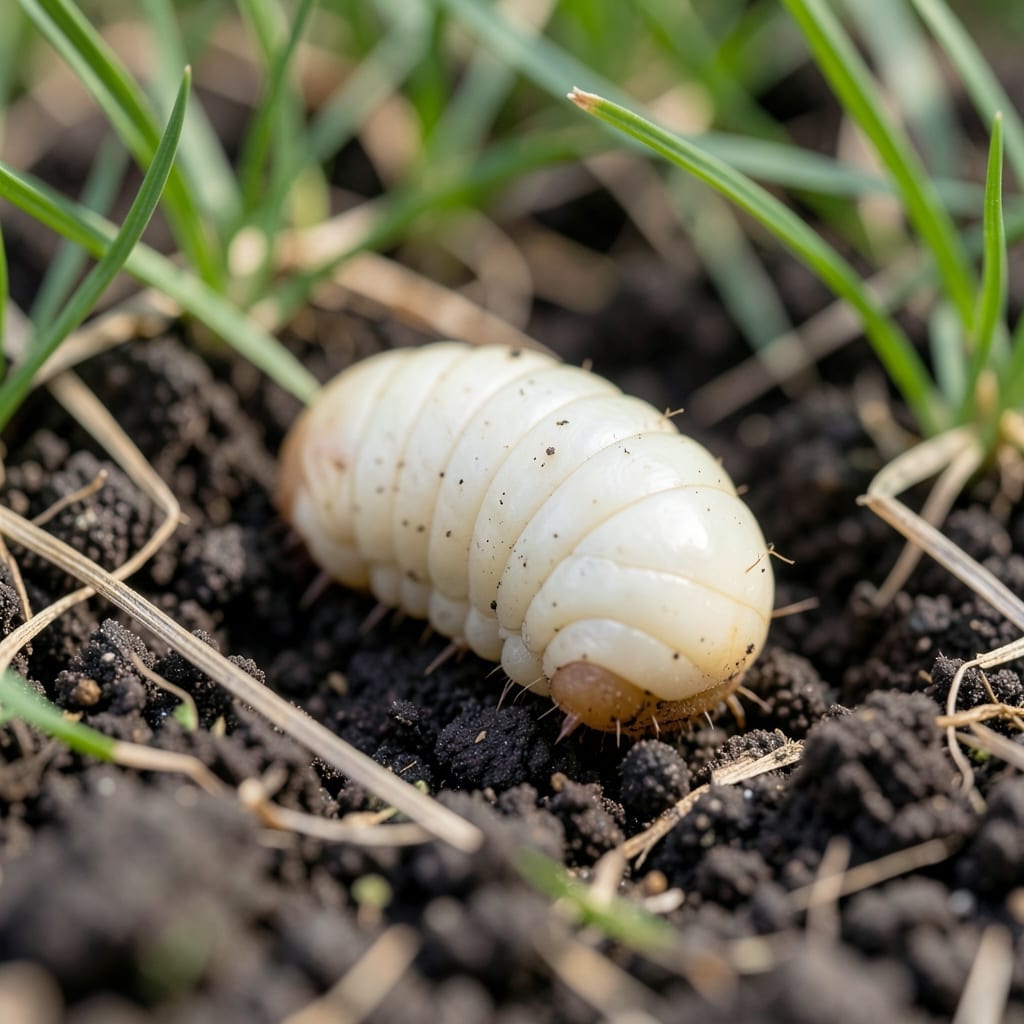
White grubs turning your 🪴 General Soil into their personal buffet? These silent destroyers can devastate roots before you even notice the damage. I’ve been there, watching healthy plants wither overnight.
Here’s the good news: you don’t need harsh chemicals to reclaim your garden. Natural solutions can work just as fast and effectively.
I’ll walk you through the most reliable methods to evict these pests for good. Let’s restore your soil’s health the right way.
White grubs can turn your healthy garden soil into a feeding ground overnight. These C-shaped larvae feast on roots, leaving plants weak and dying. I’ve seen entire lawns and vegetable patches suffer from these pests.
Luckily, you don’t need harsh chemicals. Natural methods can be just as powerful. Let me show you how to tackle this problem effectively and safely.
| Treatment | Application Method | Timing |
|---|---|---|
| Beneficial Nematodes | Apply to moist soil at dusk | Late summer or early fall |
| Milky Spore | Spread powder on soil surface | Spring or fall |
| Neem Oil | Mix with water, spray on affected areas | Every 2 weeks during growing season |
| Diatomaceous Earth | Dust lightly on soil surface | When grubs are active |
Beneficial nematodes are my top recommendation for grub control. These microscopic worms seek out and destroy grub larvae without harming plants or other beneficial insects. They work best in moist, warm soil conditions.
You’ll want to apply them in late summer or early fall when grubs are actively feeding near the surface. I’ve seen gardens recover completely within a few weeks of treatment. Just
Milky spore is another excellent organic option. This natural bacterium specifically targets Japanese beetle grubs. When applied to your lawn or garden, it creates an inhospitable environment for grubs. The best part? It can remain effective for years after application.
Neem oil offers a multi-purpose solution. Not only does it disrupt the feeding patterns of white grubs, but it also deters adult beetles from laying eggs in your soil. I recommend applying it every two weeks during the growing season for best results.
Diatomaceous earth works by dehydrating the grubs. Sprinkle it on the soil surface when you notice grub activity. It’s most effective when the soil is dry, as moisture reduces its potency. Reapply after rain or watering.
Remember, consistency is key with organic treatments. You may need to combine methods or repeat applications to fully eliminate the grub population. I’ve found that a combination of nematodes and milky spore often provides the best long-term protection. 🌱
Always monitor your garden after treatment. Look for signs of new plant growth and reduced wilting, which indicate that the grubs are no longer feasting on your plants’ roots. With patience and persistence, you can restore your soil’s health naturally.
An ounce of prevention is worth a pound of cure when it comes to white grubs in soil. I’ve learned that stopping these pests before they establish is far easier than treating an infestation. Simple changes in garden care can make a huge difference.
Creating an unfavorable environment for grubs starts with understanding their life cycle. Adult beetles lay eggs in moist, healthy soil, so disrupting their preferred conditions can save you from future headaches.
Crop rotation is one of my favorite preventative measures. By changing what you plant in each area yearly, you prevent beetles from finding their preferred host plants to lay eggs near. This breaks their life cycle effectively.
Companion planting works wonders too. I always interplant marigolds or garlic among my vegetables. These plants naturally repel adult beetles, reducing the chances of them laying eggs in your soil. Plus, they add beauty and flavor to your garden.
Proper soil maintenance is crucial. Grubs love moist, loose soil. I recommend aerating your lawn and garden beds regularly. This not only improves plant health but also creates a less inviting environment for beetles to lay their eggs.
Don’t overlook the power of beneficial insects. Ground beetles, in particular, are natural predators of white grubs. Creating habitats for them, like small rock piles or undisturbed mulch areas, can help keep grub populations in check naturally.
With these strategies, you’ll create a garden that’s naturally resistant to white grub infestations. 🌿