
Beautiful Plants For Your Interior
Beautiful Plants For Your Interior
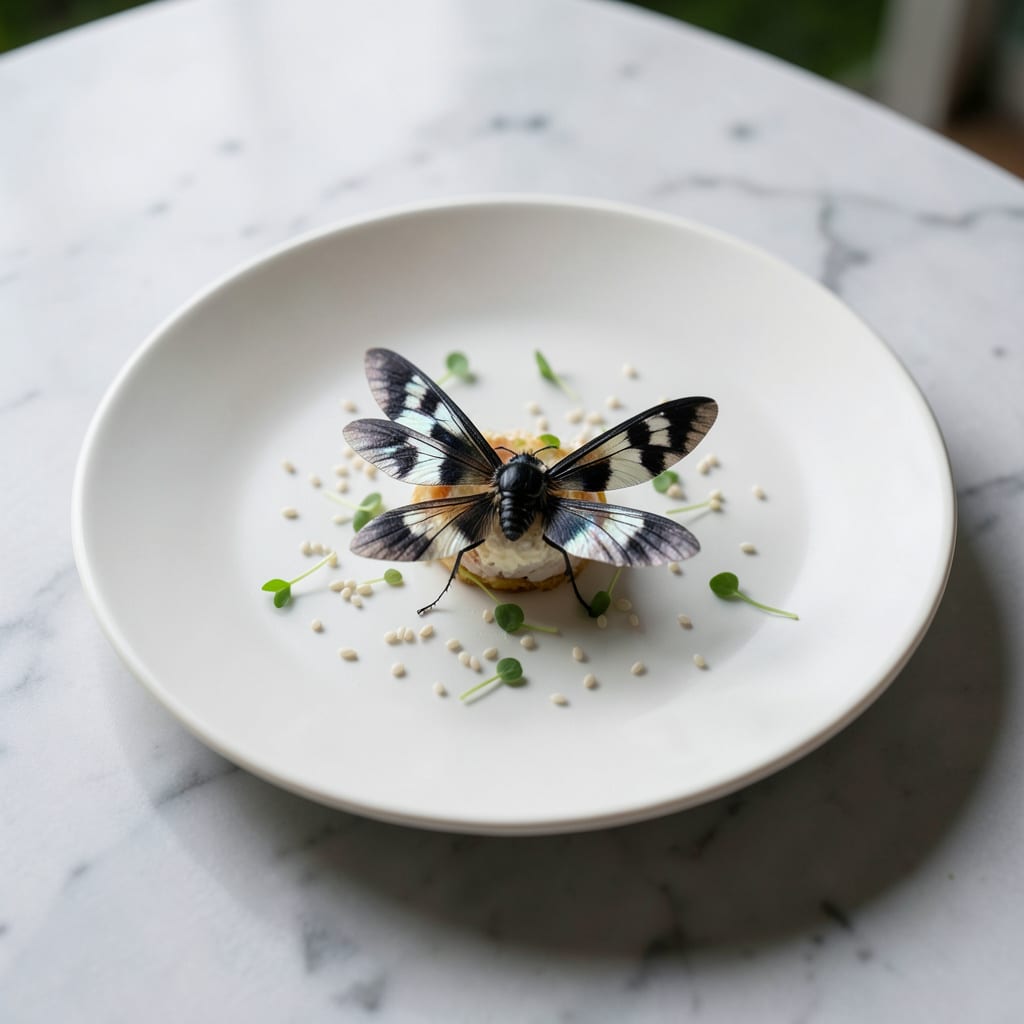
Spotted tiny black and white flying bugs around your plants? I’ve been there—watching them swarm and worrying about what they’ll do next.
These pests can damage leaves, stunt growth, and spread disease if left unchecked. The good news is they’re easy to identify and manage with the right approach.
You’ll learn to spot them fast, understand their habits, and take action before they become a bigger problem. No guesswork, just straightforward solutions.
Works for gardens, containers, or houseplants. Let’s clear them out for good.
The sudden appearance of tiny black and white flying bugs in your home or garden is rarely random. These pests are often drawn indoors by specific environmental conditions or behaviors. Below are the most common causes, explained with actionable insights to help you address the root of the problem.
Many small flying insects, such as fungus gnats or drain flies, thrive in damp environments. Overwatered houseplants, leaky pipes, or poorly ventilated bathrooms create ideal breeding grounds. Their larvae feed on organic matter in moist soil or decaying debris, so reducing humidity and fixing leaks can disrupt their lifecycle.
Tiny flying bugs like fruit flies or pantry pests are often lured by overripe fruit, uncovered trash, or spilled liquids. Even small crumbs or sticky residues on counters can invite infestations. Store food in airtight containers, dispose of garbage regularly, and clean surfaces thoroughly to eliminate attractants.
Some insects, such as cluster flies or whiteflies, may enter homes through cracks in windows, doors, or foundation gaps. They seek shelter during seasonal changes or are accidentally introduced via infested plants or groceries. Sealing entry points with caulk or fine mesh screens can prevent future intrusions.
If you notice tiny black and white flying bugs near houseplants, they may be whiteflies or thrips, which feed on plant sap. These pests lay eggs on the undersides of leaves and can quickly multiply. Isolate affected plants, prune damaged foliage, and use insecticidal soap or neem oil for control.
Dealing with these tiny pests is manageable with the right approach. Below are targeted solutions based on the most common causes, along with prevention tips to keep them from returning.
Empty, scrub, and dry any containers holding water, from plant saucers to old buckets. Check gutters, bird baths, and even bottle caps in your yard. For areas where water collects naturally, like puddles, fill them with soil or use a drain to redirect water.
Trim tall grass, bushes, and weeds around your home, especially near entry points like windows and doors. Remove leaf litter, mulch piles, and other organic debris where these bugs might hide or breed. Keep your lawn mowed and garden beds tidy.
Inspect your home for gaps around windows, doors, and utility lines. Use caulk to seal small cracks and weatherstripping for doors and windows. Install fine mesh screens on vents and open windows to prevent entry while allowing airflow.
Store fruits and vegetables in the fridge or sealed containers. Take out the trash regularly and keep bins tightly closed. Wipe up spills and crumbs immediately, and avoid leaving pet food out for extended periods.
No, these tiny black and white flying bugs don’t bite or sting. They’re mostly a nuisance and pose no direct health risks to people.
They’re likely whiteflies or thrips, which feed on plant sap. Check leaf undersides for eggs and use neem oil or insecticidal soap for control.
Remove breeding sites like standing water and overripe fruit. Seal entry points and maintain clean indoor/outdoor spaces.
