
Beautiful Plants For Your Interior
Beautiful Plants For Your Interior
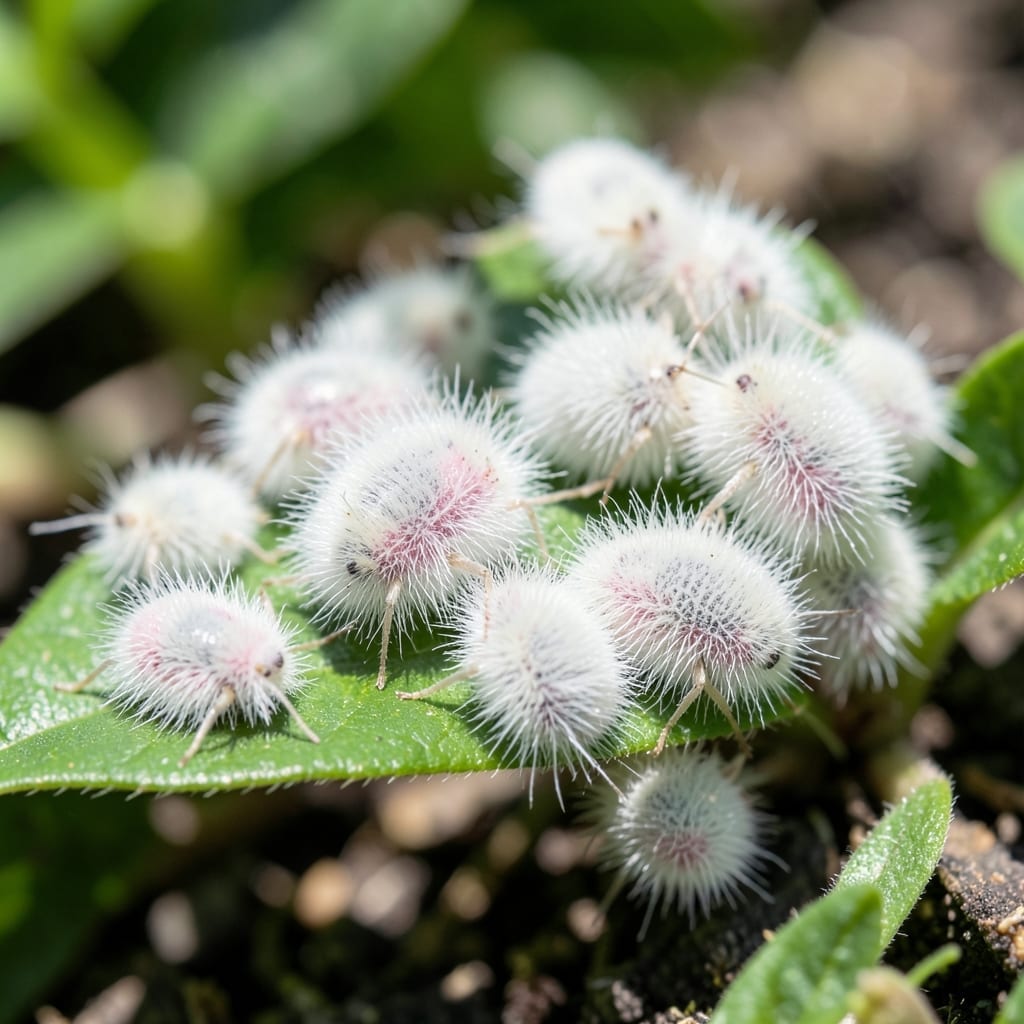
I first noticed them last summer—tiny white tufts drifting between my houseplants. Turns out these flying pests were mealybugs, and they multiply faster than you’d believe.
They weaken plants by sucking sap, leaving behind sticky residue that attracts mold. Left unchecked, they’ll spread to every nearby plant in weeks.
Here’s the thing—chemical sprays often miss the hidden nymphs. I’ve had better luck with soapy water and natural predators like ladybugs.
Prevention is simpler than treatment: isolate new plants and inspect leaves regularly. Catching them early saves a lot of trouble.
The sudden appearance of white, fluffy flying insects is often tied to specific environmental or seasonal triggers. These pests—commonly mealybugs, woolly aphids, or whiteflies—thrive under certain conditions, which can be managed with the right knowledge.
Excess moisture creates an ideal breeding ground for whiteflies and mealybugs. Overwatered soil or stagnant air in greenhouses encourages fungal growth, which some of these insects feed on. Action: Improve drainage and increase airflow with fans or open windows.
Stressed plants release volatile organic compounds that attract pests like woolly aphids. Drought, poor soil, or lack of sunlight weakens defenses. Action: Strengthen plants with balanced fertilization and proper sunlight exposure.
Most white fluffy bugs reproduce rapidly in warm weather (70–85°F). Greenhouses or indoor gardens may see infestations year-round without temperature control. Action: Use shade cloths or adjust indoor climates to disrupt their life cycle.
Outdoor gardens with biodiversity rarely face severe infestations—ladybugs, lacewings, and parasitic wasps keep populations in check. Monoculture or pesticide use can eliminate these allies. Action: Introduce beneficial insects or reduce chemical interventions.
If you’ve spotted white fluffy bugs flying around your garden or home, don’t panic. These pests—often mealybugs or whiteflies—can be managed with targeted, eco-friendly solutions. Below are practical fixes for common causes, along with prevention tips to keep them from returning.
Fix: Inspect your plants for soggy soil and adjust your watering schedule. Ensure pots have drainage holes, and use a well-draining soil mix. Let the top inch of soil dry out between waterings.
Prevention: Use a moisture meter to avoid overwatering. Elevate pots to prevent waterlogging, and choose containers with drainage.
Fix: Isolate affected plants to prevent spreading. Remove visible bugs by hand or with a cotton swab dipped in 70% isopropyl alcohol. For severe cases, apply neem oil or insecticidal soap, spraying both sides of leaves.
Prevention: Quarantine new plants for 2–3 weeks before introducing them to your garden. Sterilize soil by baking it at 200°F (93°C) for 30 minutes before reuse.
Fix: Install fine mesh screens on windows and doors to block entry. Use a handheld vacuum to remove flying pests indoors, then dispose of the bag immediately.
Prevention: Keep windows closed during peak pest seasons (spring/early summer). Place yellow sticky traps near windows to catch stragglers.
Fix: Introduce beneficial insects like ladybugs, lacewings, or parasitic wasps, which feed on whiteflies and mealybugs. Purchase them from garden centers and release them at dusk for best results.
Prevention: Plant companion flowers like marigolds, alyssum, or dill to attract predator insects naturally.
Pro Tip 💡: Regularly inspect the undersides of leaves for early signs of infestation. A quick response can save your plants—and your sanity!
Yes, they can damage plants by sucking sap, causing yellowing leaves and stunted growth. They also excrete sticky honeydew, which attracts mold and weakens the plant further over time.
Mealybugs look like tiny cotton balls and move slowly, while whiteflies are more moth-like and scatter when disturbed. Both leave sticky residue, but whiteflies are more active fliers.
They can spread quickly if left unchecked, especially in warm, humid conditions. Isolate affected plants and treat immediately to prevent a full garden outbreak.
A mixture of 1 teaspoon dish soap and 1 liter water sprayed on leaves can kill them on contact. Repeat every 3-4 days for best results.