
Beautiful Plants For Your Interior
Beautiful Plants For Your Interior
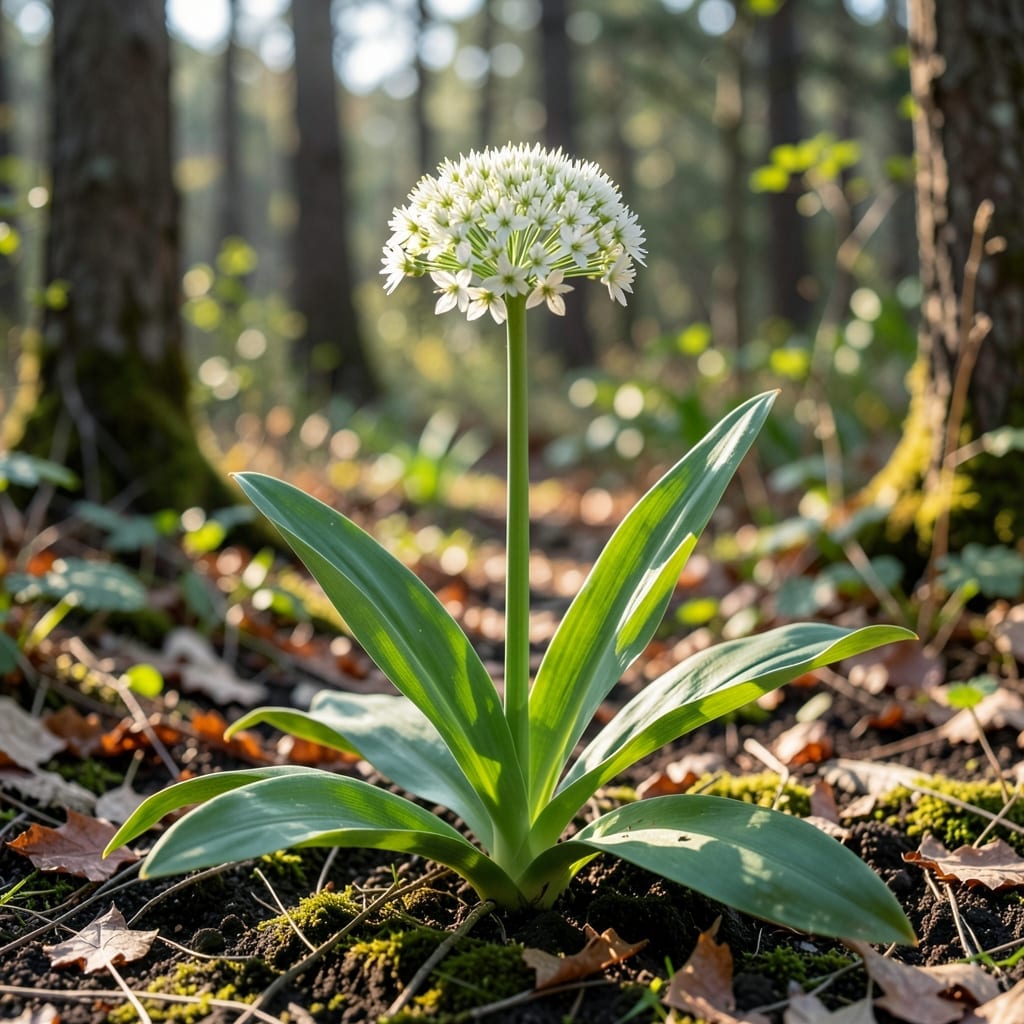
There’s something magical about tall white blooms swaying in the breeze. I first planted these in my border three seasons ago, and they’ve become the backbone of my garden’s late-spring display.
Most varieties thrive in full sun to partial shade, needing little more than well-draining soil and occasional watering. Some, like foxglove and delphinium, return reliably each year with minimal fuss.
You’ll get height, structure, and a timeless elegance that pairs perfectly with any color scheme. Plus, they attract pollinators without overwhelming your space.
The key is choosing the right type for your climate and soil. Here’s how to pick and grow the best ones for your borders.
The appearance of white flowers on tall stalks is often a natural part of a plant’s life cycle, but specific conditions can encourage or accelerate this phenomenon. Below are the key causes, explained with actionable insights for gardeners.
Many plants, like Allium or Hosta, are genetically predisposed to produce white blooms on elongated stems. This is an evolutionary trait to elevate flowers for better pollination visibility. If your plant species naturally includes this feature, it’s simply following its biological blueprint.
Adequate sunlight triggers photomorphogenesis, the process where plants grow taller to reach light. In shaded areas, some species stretch their stalks to access sunlight, often resulting in white flowers (e.g., Lily of the Valley). Action: Ensure your garden beds receive 6+ hours of direct light daily for compact growth.
Excess water or nitrogen-heavy fertilizers can cause etiolation—rapid, leggy growth with pale or white flowers. This happens as the plant prioritizes height over leaf or pigment development. Fix: Reduce watering frequency and use balanced fertilizers (e.g., 10-10-10 NPK).
Sudden temperature shifts (e.g., cool nights followed by warm days) can stress plants into producing bolting stems with white blooms, common in Foxglove or Queen Anne’s Lace. Tip: Use mulch to stabilize soil temperature and protect roots.
If your white flowers on stalks are struggling, don’t worry—most problems have simple fixes. Below are practical solutions for common issues, along with tips to keep your plants thriving.
Yellow leaves often signal overwatering or poor drainage. Let the soil dry slightly between waterings, and ensure pots have drainage holes. If the plant is in the ground, amend heavy soil with compost to improve drainage.
Prevention tip: Use a moisture meter 💡 to avoid guesswork. Water only when the top inch of soil feels dry.
Aphids, spider mites, or mealybugs can weaken stalks and flowers. Spray plants with a mix of water and mild soap (1 tsp per quart) or introduce beneficial insects like ladybugs. For stubborn pests, neem oil works wonders.
Prevention tip: Inspect plants weekly ✨ and keep the garden clean to deter pests.
Tall white flowers like delphiniums or foxgloves may droop under their own weight. Use bamboo stakes or plant rings to support them. Tie stalks loosely with soft twine to avoid damage.
Prevention tip: Plant in a sheltered spot 🎯 to reduce wind exposure, which can cause breakage.
White, powdery spots on leaves or stems mean fungal growth. Prune crowded foliage to improve airflow, and avoid overhead watering. Apply a baking soda solution (1 tbsp baking soda + 1 tsp dish soap + 1 gallon water) as a preventive spray.
Prevention tip: Space plants properly 🌡️ to reduce humidity buildup.
Popular choices include foxglove, delphinium, and lily of the valley. These perennials thrive in borders and add height with minimal effort. Each has unique care needs, so pick based on your climate.
Height often depends on light and genetics. Plants stretch toward sunlight, while some species are naturally tall. Ensure 6+ hours of light daily for compact growth.
Use bamboo stakes or plant rings for support. Tie stalks loosely with twine, and plant in sheltered spots to reduce wind damage.
Yes, but choose dwarf varieties like baby’s breath. Ensure pots have drainage holes and use well-draining soil. Water when the top inch feels dry.