
Beautiful Plants For Your Interior
Beautiful Plants For Your Interior
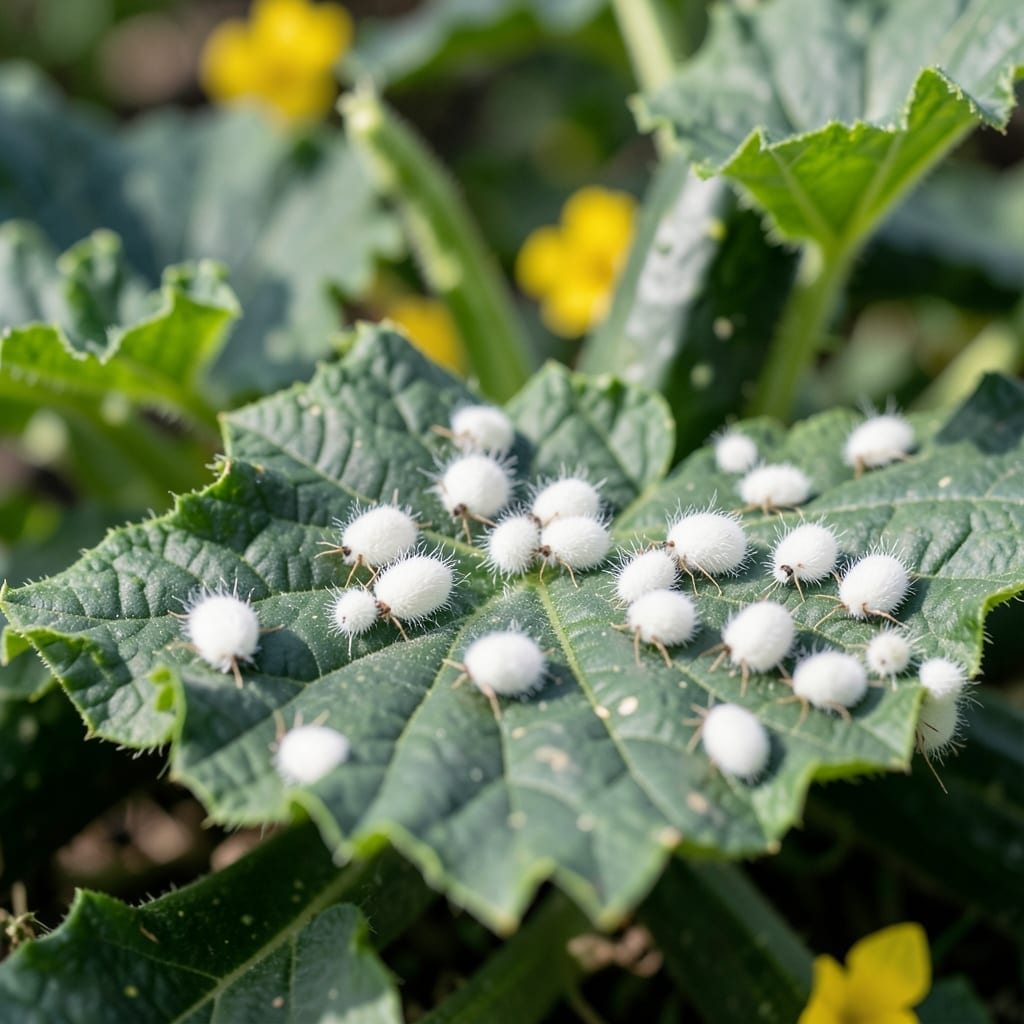
White bugs on your zucchini are stealing your harvest before it even starts. I’ve battled these pests for years and learned they’re usually aphids or whiteflies out to drain your plants’ strength.
The key is catching them early—check the undersides of leaves where they like to hide. A strong spray of water knocks them off, but you’ll need a foolproof follow-up to keep them from returning.
Organic solutions like neem oil or insecticidal soap work wonders without harming beneficial bugs. You’ll see results within 24-48 hours and plants bouncing back in days.
Prevention is simpler than you think: companion plants and row covers create a barrier they can’t cross. Let’s reclaim your garden.
White bugs on zucchini plants are usually the result of pest infestations, environmental conditions, or poor garden hygiene. Below are the most common causes, explained with actionable insights to help you address the root of the problem.
Aphids, particularly the green peach aphid (Myzus persicae) and melon aphid (Aphis gossypii), are tiny, soft-bodied insects that cluster on the undersides of zucchini leaves. They secrete a sticky substance called honeydew, which can attract white, cottony mealbugs or foster sooty mold growth. Aphids thrive in over-fertilized or water-stressed plants, so balancing nitrogen levels and maintaining consistent moisture can deter them.
Whiteflies (Bemisia tabaci or Trialeurodes vaporariorum) are small, winged pests that appear as tiny white moths when disturbed. They lay eggs on leaf undersides, and their nymphs—often mistaken for white bugs—feed on plant sap. These pests prefer warm, humid conditions and are common in overcrowded gardens with poor airflow. Introducing beneficial insects like ladybugs or lacewings can help control their populations naturally.
Mealybugs (Pseudococcidae family) are white, waxy pests that often hide in leaf axils or under bark. They thrive in high-humidity environments and can spread rapidly if left unchecked. Fungal diseases, such as powdery mildew, can also create white, powdery spots on leaves, which may be mistaken for bugs. Improving air circulation and avoiding overhead watering can reduce both fungal growth and mealybug habitats.
Leftover plant debris, weeds, or fallen leaves can harbor pest eggs and larvae, leading to recurring infestations. White bugs often overwinter in garden waste, so removing spent plants at the end of the season and rotating crops can break their life cycle. Additionally, companion planting with repellent herbs like basil or mint can deter pests naturally.
Dealing with white bugs on your zucchini plants can feel overwhelming, but these practical solutions will help you reclaim your garden. Below are targeted fixes based on the most common causes, along with prevention tips to keep your zucchini healthy.
If aphids are the culprits, start by spraying them off with a strong stream of water from your hose. Repeat every few days to disrupt their lifecycle. For a more aggressive approach, mix 1 teaspoon of mild dish soap with 1 quart of water and spray directly on the bugs. Prevention tip: 💡 Introduce beneficial insects like ladybugs or lacewings, which naturally prey on aphids.
Whiteflies can be tricky, but yellow sticky traps are highly effective at catching adults. For a natural spray, combine neem oil with water (follow the product’s instructions) and apply it to the undersides of leaves where whiteflies cluster. Prevention tip: 🌡️ Use reflective mulch to disorient whiteflies and reduce their ability to land on your plants.
Mealybugs often hide in crevices, so start by dipping a cotton swab in rubbing alcohol and dabbing it directly on the bugs to kill them. For heavier infestations, prune and dispose of severely affected leaves or stems. Prevention tip: ✨ Regularly inspect your plants, especially under leaves, to catch mealybugs early before they spread.
Scale insects can be scraped off with a dull knife or your fingernail, but be gentle to avoid damaging the plant. After removal, apply horticultural oil to smother any remaining bugs. Prevention tip: 🎯 Keep your garden clean and free of debris where scale insects might overwinter.
By tackling the problem early and using these organic methods, you can protect your zucchini plants without harsh chemicals. Consistency is key—check your plants regularly and act at the first sign of trouble!
Aphids are tiny, soft, and often green or white, clustering on new growth. Whiteflies look like tiny white moths and fly away when disturbed. Check leaf undersides for sticky residue with aphids or white, cottony clusters with mealybugs.
No, neem oil is safe for zucchini when diluted properly (1-2 tablespoons per gallon of water). Apply in the evening to avoid leaf burn. Always test on a small area first.
Inspect zucchini plants 2-3 times per week during growing season. Focus on new leaves and leaf undersides where pests hide. Early detection prevents major outbreaks.
A 1:3 vinegar-to-water spray can kill on contact but may harm plants if overused. Test on a single leaf first and rinse plants after 24 hours.