
Beautiful Plants For Your Interior
Beautiful Plants For Your Interior
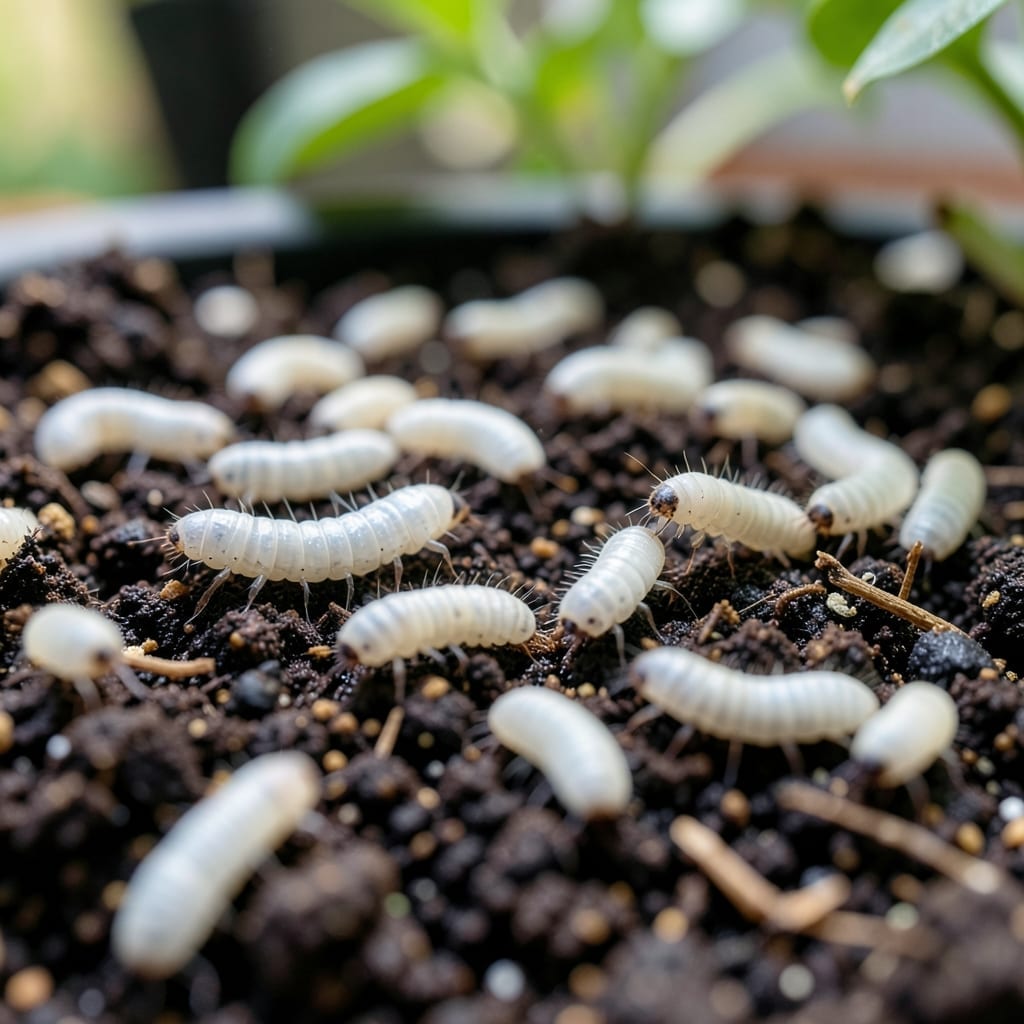
Spotted tiny white creatures in your soil? Don’t panic—I’ve dealt with my share of these uninvited guests. They’re usually harmless, but some can wreak havoc on roots and seedlings if left unchecked.
Identifying them is step one. Most white soil bugs are springtails, fungus gnat larvae, or root aphids. Each has its own habits and weak spots, and knowing which is which changes how you handle them.
The good news: you can clear them out fast with simple, organic fixes. Neem oil, diatomaceous earth, and beneficial nematodes work wonders without harsh chemicals.
Here’s how to evict them for good and keep your soil healthy. No advanced degree in entomology required.
White bugs in soil often appear due to a combination of environmental and biological factors. Understanding these causes helps you address the issue effectively and prevent future infestations.
Excess moisture is a primary attractant for white soil-dwelling pests like fungus gnat larvae and springtails. Overwatered soil creates an anaerobic environment, which encourages fungal growth—a food source for these bugs. Additionally, compacted or clay-heavy soil traps water, exacerbating the problem.
White bugs thrive in soil rich in decomposing plant material, such as compost, leaf litter, or mulch. Pill bugs (rolly polies) and white grubs feed on decaying organic matter, breaking it down further. While some are beneficial, an overabundance can indicate an imbalance in your soil’s ecosystem.
Many white soil pests, including mealybugs and root aphids, prefer warm, humid environments. Greenhouses or indoor potted plants are especially vulnerable. High humidity slows soil drying, providing a consistent habitat for these pests to reproduce rapidly.
Dense, poorly aerated soil restricts airflow and retains moisture, creating ideal conditions for white bugs. Nematodes and other microscopic organisms may also proliferate in such environments, contributing to pest populations. Regularly loosening the soil can disrupt their lifecycle.
While organic fertilizers like manure or compost improve soil health, excessive use can introduce or feed white pests. Fungus gnats, for example, are drawn to the fungi that grow in nutrient-rich, undigested organic matter. Balance fertilizer use to avoid overfeeding pests.
Unwanted white bugs in your garden soil can be a nuisance, but there are effective ways to tackle them without harming your plants. Below are targeted solutions for common causes, along with prevention tips to keep your soil healthy and pest-free.
If excess moisture is attracting bugs, let the soil dry out between waterings. Use a moisture meter to check levels, and ensure pots have drainage holes. For garden beds, amend heavy clay soil with compost or sand to improve drainage. Prevention tip: Water deeply but less frequently to encourage strong root growth.
White bugs thrive in decomposing plant matter. Remove fallen leaves, dead plants, and other organic debris from the soil surface. For potted plants, replace the top layer of soil if it’s infested. Prevention tip: Use a thin layer of mulch to discourage pests while retaining moisture.
Weak soil can invite pests. Introduce beneficial nematodes or Bacillus thuringiensis (Bt) to target larvae without chemicals. Mix in compost or worm castings to improve soil structure and fertility. Prevention tip: Rotate crops annually to disrupt pest life cycles.
If pests persist, try neem oil or diatomaceous earth (food-grade) as a natural deterrent. Apply in the evening to avoid harming bees. For severe infestations, remove and replace the top few inches of soil. Prevention tip: Avoid over-fertilizing, which can attract bugs.
With these steps, you can reclaim your soil and keep it thriving—naturally! 🌿✨
Not all of them. Some, like springtails, actually help break down organic matter. However, fungus gnat larvae and root aphids can damage roots and stunt growth. Identify the type before taking action.
Look for tiny, transparent white worms in the top layer of soil. Adult gnats may hover near plants. They thrive in moist conditions, so check overwatered pots first.
Diatomaceous earth works quickly when sprinkled on dry soil. It dehydrates soft-bodied pests within 24-48 hours. Neem oil is another great option for ongoing prevention.
Yes, but sterilize it first. Bake soil at 200°F for 30 minutes or let it dry out completely in the sun. This kills remaining eggs and larvae.