
Beautiful Plants For Your Interior
Beautiful Plants For Your Interior
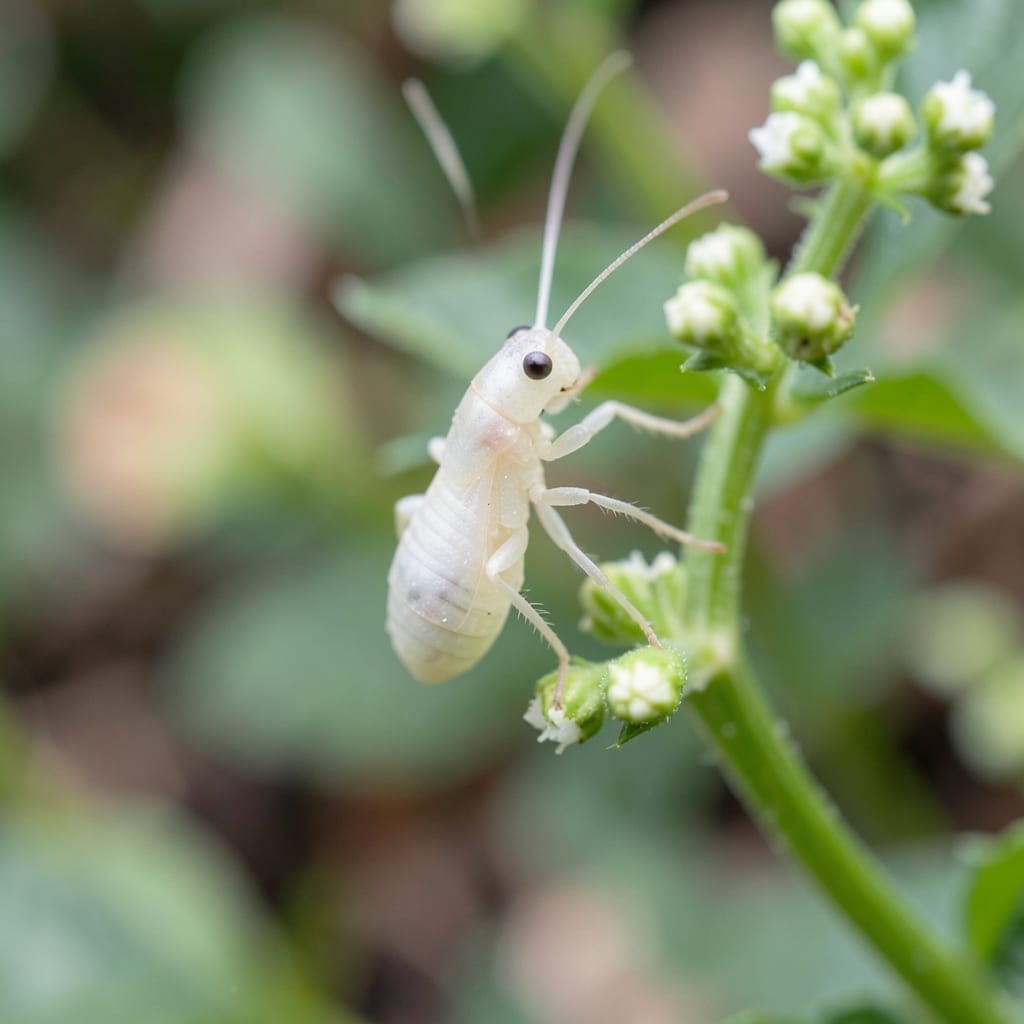
Tiny white pests with long antennae wrecking your plants? I’ve been there—watching my peppers turn yellow overnight because of these invaders.
Whiteflies and mealybugs are the usual culprits. They cluster on leaf undersides, sucking sap and leaving sticky residue that attracts mold. Catching them early prevents a full-blown infestation.
Organic solutions like neem oil or insecticidal soap work fast, but I’ve found a strong water spray knocks them off immediately. Repeat every 2-3 days for best results.
Prevention starts with inspecting new plants and keeping air circulating. Healthy plants resist pests better than stressed ones.
Understanding why white bugs with antennae appear in your garden or home starts with identifying their root causes. These pests often thrive due to specific environmental or behavioral factors. Below are the most common reasons for their presence:
Many white bugs, such as mealybugs or whiteflies, flourish in damp conditions. Overwatering plants creates a moist environment that attracts them, while poor drainage exacerbates the issue. Actionable tip: Ensure proper drainage and water plants only when the topsoil is dry.
Stressed or weak plants release chemicals that signal vulnerability, drawing in pests like aphids or scale insects. Over-fertilization, nutrient deficiencies, or physical damage can make plants prime targets. Solution: Maintain plant vigor with balanced fertilization and regular pruning.
In ecosystems lacking beneficial insects (e.g., ladybugs or lacewings), white bug populations can explode unchecked. Pesticides often kill these predators, disrupting the natural balance. Fix: Introduce or preserve beneficial insects to control infestations organically.
White bugs like pill bugs or booklice may enter homes through infested soil, potted plants, or stored food. Poor ventilation or clutter provides hiding spots. Prevention: Inspect new plants, store food in sealed containers, and declutter regularly.
Dealing with tiny white insects with long antennae in your garden or home doesn’t have to be a hassle. Below are targeted solutions based on common causes, plus simple prevention tips to keep them from returning.
If you spot these bugs on indoor plants, quarantine the affected plant immediately to prevent spreading. Wipe leaves with a soapy water solution (1 tsp mild dish soap per liter of water) to remove pests. For stubborn cases, use neem oil spray (follow label instructions) weekly until they’re gone.
In the garden, introduce beneficial insects like ladybugs or lacewings, which feed on white bugs. For quick action, spray plants with insecticidal soap or a garlic-water mix (blend 2 garlic cloves with 1 liter of water, strain, and spray). Avoid chemical pesticides to protect pollinators.
If these bugs are wandering indoors, seal cracks in windows, doors, and foundations with caulk. Vacuum corners, baseboards, and storage areas thoroughly, then dispose of the vacuum bag outside. Store food in airtight containers and reduce moisture with dehumidifiers.
💡 Prevention Tips:
Yes, they can damage plants by sucking sap, causing yellowing leaves and stunted growth. Whiteflies and mealybugs also excrete sticky honeydew, which attracts sooty mold.
Look for tiny, white, winged insects (whiteflies) or cottony clusters (mealybugs). Both have visible antennae and often hide on leaf undersides. A magnifying glass helps confirm.
Use chemical pesticides as a last resort, and only those labeled for your specific plant. Always follow instructions carefully to avoid harming beneficial insects or pollinators.
These pests can quickly move to nearby plants, especially in crowded conditions. Isolate infested plants immediately and treat all nearby ones preventatively.