
Beautiful Plants For Your Interior
Beautiful Plants For Your Interior
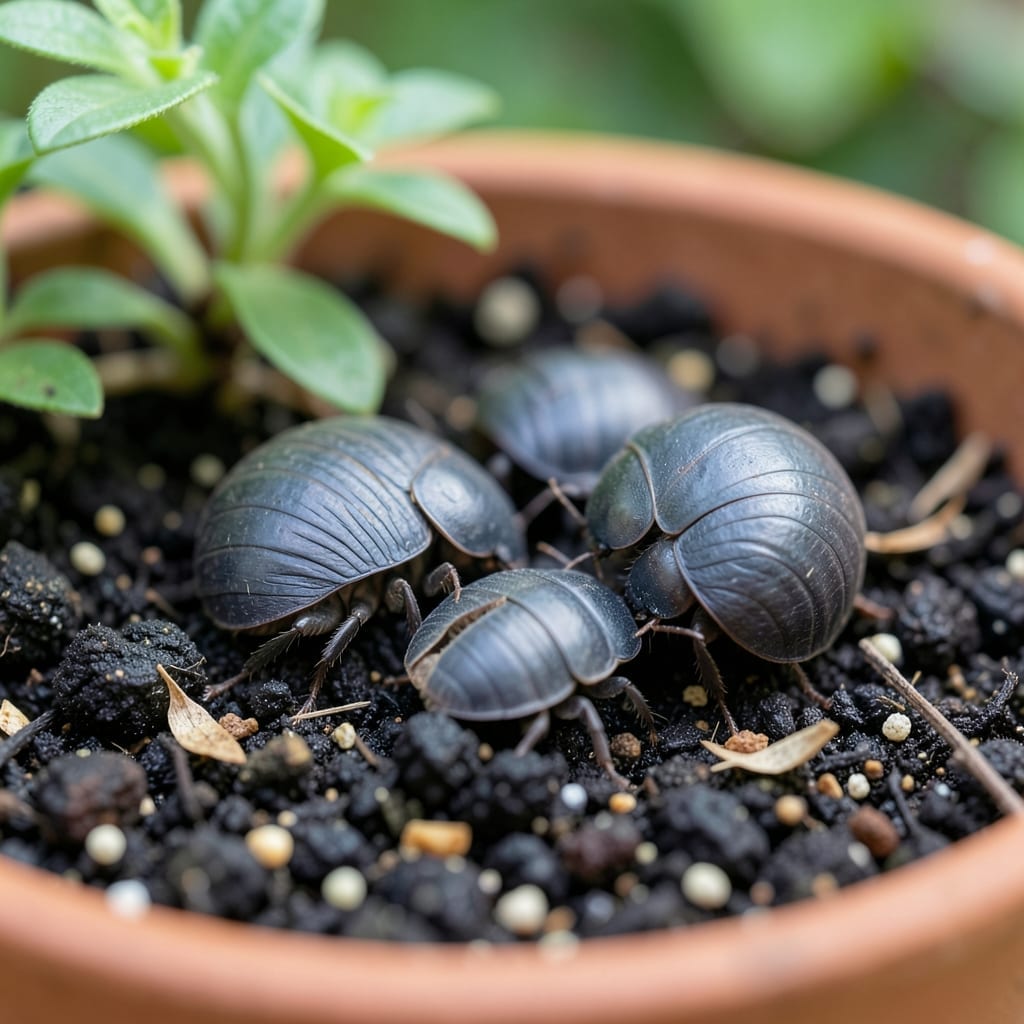
Those little armored bugs in your pots aren’t just annoying—they’re a sign something’s off. I found dozens in my ferns last summer, and my first instinct to drown them made things worse.
The fix isn’t poison or panic. Pill bugs thrive in damp, decaying conditions, so the solution starts with better drainage and less overwatering. A few simple tweaks to your routine can send them packing within a week.
Your plants will thank you too. Once the environment improves, you’ll see healthier roots, fewer yellow leaves, and soil that doesn’t stay soggy. The bugs leave, and your potted friends start thriving again.
Works for any indoor or outdoor container. Here’s how to reclaim your pots for good.
Pill bugs (also known as roly-polies or woodlice) thrive in potted plants for specific environmental and biological reasons. Understanding these causes helps prevent and manage infestations effectively.
Pill bugs are attracted to damp environments because they require moisture to breathe through their gill-like structures. Overwatered soil or poor drainage in potted plants creates the perfect habitat for them to thrive. Action: Ensure pots have drainage holes and avoid waterlogging.
These crustaceans feed on decomposing plant material, fungi, and organic debris. Potted plants with rotting leaves, uneaten compost, or mulch provide an abundant food source. Action: Remove dead foliage and clean up organic debris regularly.
Pill bugs prefer dark, undisturbed areas to hide during the day. Dense foliage, thick mulch, or cluttered garden spaces offer them protection from predators and sunlight. Action: Thin out overgrown plants and keep the area around pots tidy.
They thrive in cool, humid conditions (60–75°F). Potted plants in shaded or indoor areas with stable temperatures can inadvertently create an ideal microclimate for pill bugs. Action: Move pots to sunnier or drier spots if possible.
Pill bugs love damp, decaying environments, so the first step is to disrupt their cozy habitat. Below are targeted solutions for each common cause, along with prevention tips to keep them from returning.
Pill bugs thrive in soggy soil. Repot your plant in a container with drainage holes if it doesn’t have any. Use a well-draining potting mix (add perlite or sand for extra aeration). Water only when the top inch of soil is dry—overwatering is their invitation.
Pro tip 💡: Place a layer of gravel or clay pebbles at the bottom of the pot to prevent waterlogging.
Remove fallen leaves, dead plant material, and uneaten mulch from the soil surface and saucer. Pill bugs feed on decomposing matter, so keep the area tidy. If using mulch, opt for inorganic types like gravel or pebbles instead of wood chips.
For visible pill bugs, handpick them (wear gloves if you’re squeamish) and drop them into soapy water. Alternatively, set up a beer trap: bury a small container filled with beer near the pot—they’ll crawl in and drown. Repeat nightly for a week to break their lifecycle.
Remember ✨: Consistency is key. Combine moisture control with cleanliness, and pill bugs will lose interest in your potted plants!
No, they don’t bite or damage healthy plants. They feed on decaying matter, so they’re a sign of excess moisture or debris. Fix these issues, and your plants will thrive.
Water pools on the surface or soil stays soggy for days after watering. Check for drainage holes—if missing, repot immediately.
Food-grade diatomaceous earth is safe for plants. Use a light dusting on dry soil—it dehydrates bugs without harming roots.
Yes, they move between containers easily. Elevate pots and keep them apart to prevent migration. Consistency stops the cycle.