
Beautiful Plants For Your Interior
Beautiful Plants For Your Interior
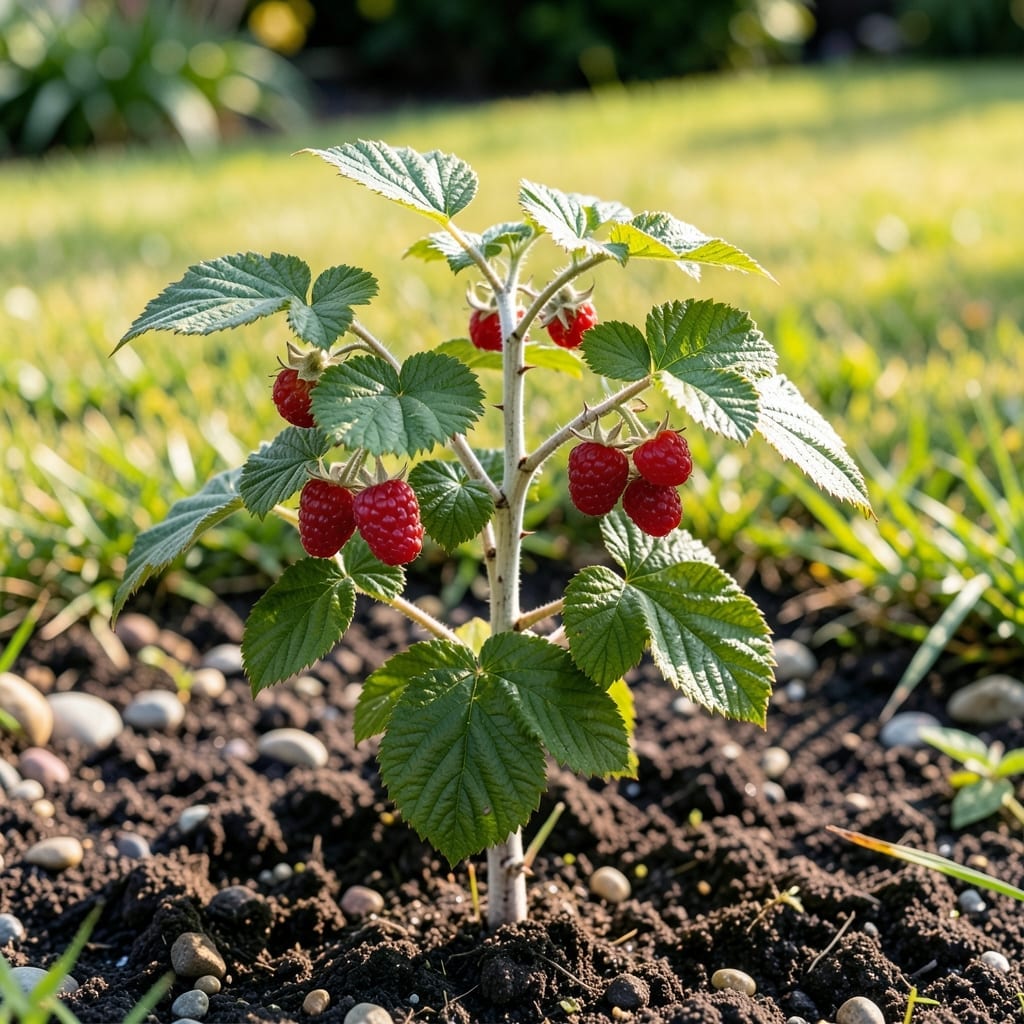
White bark raspberries caught my attention with their striking stems and sweet, productive fruit. I planted my first row three seasons ago and haven’t looked back since.
You’ll get vibrant berries and a garden focal point with minimal effort. The canes thrive in well-drained soil and partial sun, making them a foolproof choice for any space.
📚 In This Guide
This method ensures healthy canes and abundant fruit with minimal fuss.
Choose a location with full sun to partial shade—white bark raspberries tolerate less light than red varieties but produce best with 6+ hours of daily sun. The soil should be well-draining with a pH between 5.5 and 6.5. I test mine with a simple kit from the garden center.
Work the soil to a depth of 12-18 inches, removing weeds and breaking up clumps. Mix in 2-3 inches of compost to improve fertility and drainage. Avoid heavy clay or waterlogged areas, as raspberry roots rot easily in standing water.
Dig a hole slightly wider and deeper than the root ball. Place the plant so the crown sits 1-2 inches above soil level—this prevents rot and encourages strong cane growth. Space plants 2-3 feet apart in rows that are 6-8 feet apart to allow for air circulation and future spreading.
Backfill with native soil, pressing gently to eliminate air pockets. Water thoroughly after planting until the soil is evenly moist but not soggy. I always mulch immediately with 2-3 inches of straw or wood chips to retain moisture and suppress weeds.
White bark raspberries benefit from a trellis or support structure, especially as canes grow tall and heavy with fruit. Install a T-post and wire system or a simple trellis at planting time. Position wires at 3 and 5 feet high to support canes as they mature.
Tie canes loosely to the support with soft twine or plant ties, allowing room for growth. This keeps fruit off the ground, reducing rot and making harvest easier. I’ve found that early support prevents a tangled mess later in the season.
Keep the soil consistently moist but not waterlogged during the first growing season. Water deeply 1-2 times per week, depending on rainfall and soil drainage. A soaker hose works best to deliver water directly to the roots without wetting the foliage.
Apply a balanced 10-10-10 fertilizer in early spring, just as new growth begins. Scatter 1 cup per plant around the base, keeping it 6 inches away from the canes to avoid burning. Feed again after harvest to support next year’s growth.
Prune in late winter or early spring before new growth starts. Remove all dead, diseased, or weak canes at ground level. Thin out excess canes, leaving only the strongest 4-6 canes per foot of row. This improves air circulation and directs energy toward fruit production.
After harvest, prune the canes that just fruited back to the ground—white bark raspberries fruit on second-year canes, so this encourages new growth for next season. Always sterilize pruners with rubbing alcohol between cuts to prevent disease spread.
These practical insights will help you avoid common pitfalls when growing this variety.
Site Selection Secret: For optimal fruit production, prioritize that 6+ hours of daily sun mentioned in Step 1. While white bark raspberries tolerate partial shade, they’ll produce significantly more berries with full sun exposure. I’ve noticed shade-grown plants have smaller, less flavorful fruit.
Planting Depth Matters: In Step 2, that 1-2 inches above soil level for the crown isn’t just a suggestion—it’s critical for preventing crown rot. I learned this the hard way after losing several plants to root rot from planting too deep. The slight elevation allows for proper drainage around the base.
Support System Timing: Don’t wait until your canes are heavy with fruit to install supports as mentioned in Step 3. Setting up your T-post and wire system at planting time gives the roots time to establish without disturbance. I’ve found that early support also trains the canes to grow upward from the start.
Pruning Precision: The detail about white bark raspberries fruiting on second-year canes in Step 5 is crucial. After harvest, be thorough in removing only the canes that fruited—the new canes growing beside them are next year’s producers. Missing this distinction can cost you next season’s harvest.
Look for white, powdery patches on the bark, yellowing leaves, or stunted growth. These are common signs of fungal or bacterial infections affecting white bark raspberries.
Treat early in the growing season or at the first sign of symptoms. Spring and fall are ideal for preventive measures like pruning or applying fungicides.
Try neem oil, baking soda sprays, or copper-based solutions. These are effective, eco-friendly options to combat fungal issues without harsh chemicals.
This could be due to cane blight or powdery mildew. Remove infected canes immediately and improve air circulation to prevent further spread.
Yes, with proper care! Prune infected areas, apply treatments, and ensure good drainage. Healthy plants often bounce back with timely intervention.