
Beautiful Plants For Your Interior
Beautiful Plants For Your Interior
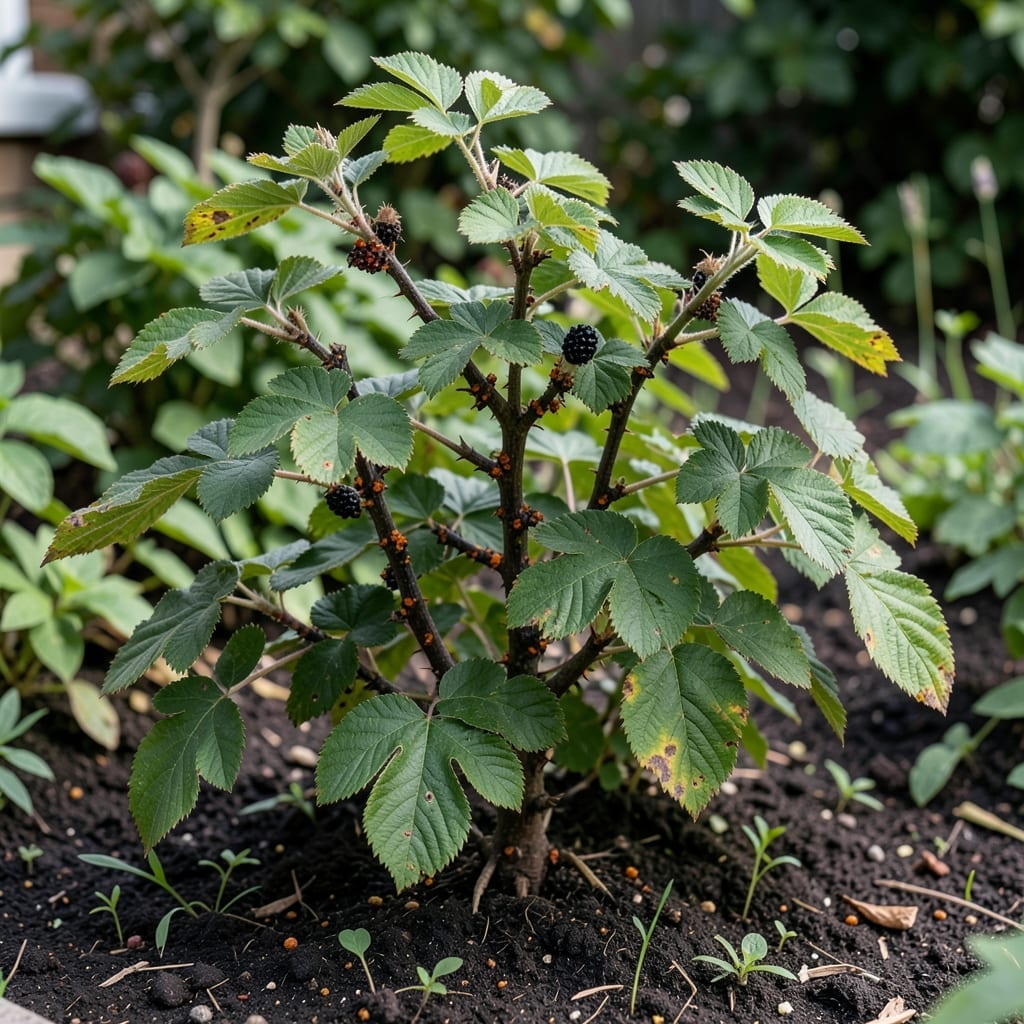
Spotted purple splotches on your blackberry canes last spring? That was my first clue something was seriously wrong. Cane blight sneaks in through wounds and turns productive plants into brittle sticks.
I lost an entire row before learning the early signs: wilting tips, dark lesions, and canes that dry out overnight. The disease spreads fast in wet weather, but catching it early makes all the difference.
Organic treatments saved my next harvest. Pruning infected canes immediately and applying copper spray during dormancy keeps the disease from spreading. Healthy canes bounce back with proper care.
Prevention is simpler than cure. Sanitize tools, remove old canes, and space plants for airflow. Your brambles will thank you with bigger harvests next season.
Blackberry cane blight thrives when specific conditions align, often due to environmental stressors and poor plant health. Below are the primary causes behind this frustrating disease.
Fungal spores, like Leptosphaeria coniothyrium, flourish in wet, humid environments. Overhead watering, heavy rainfall, or poorly drained soil creates the perfect breeding ground. Prolonged leaf and cane wetness allows spores to germinate and infect through wounds or natural openings.
Physical damage to canes—whether from hail, insects, or improper pruning—provides entry points for the fungus. Pruning during wet conditions or with unsterilized tools spreads the pathogen. Even minor abrasions from thorns or harvest tools can invite infection.
Dense foliage traps moisture and reduces air circulation, accelerating spore growth. Plants spaced too closely or left unpruned create a microclimate ideal for blight. Thinning canes and maintaining proper row spacing improves airflow and reduces humidity.
Cool, wet springs followed by warm summers stress plants, making them more susceptible. Temperature swings weaken canes, while sudden frosts can cause dieback, leaving wounds vulnerable to fungal colonization.
Underfertilized, drought-stressed, or nutrient-deficient blackberries lack vigor to resist infection. Consistent care—balanced irrigation, mulching, and soil testing—strengthens plant defenses against cane blight.
Stopping cane blight starts with quick action and smart habits. Below are targeted fixes for the most common causes, plus prevention tips to keep your blackberry patch thriving.
If you spot wilting, dark lesions, or cankers, remove the affected canes right away—cut at least 6–8 inches below the visible damage. Disinfect pruners with rubbing alcohol between cuts to avoid spreading spores. Burn or trash the infected material; do not compost it.
Blight thrives in wet, crowded conditions. Space plants 4–6 feet apart and use a trellis to keep canes off the ground. Thin out excess growth in early spring to boost airflow. If your soil stays soggy, amend it with compost or sand to improve drainage.
For active infections, spray with copper fungicide or neem oil at the first sign of trouble. Reapply every 7–10 days during wet weather. Always follow label instructions—overuse can harm plants or beneficial insects.
Look for wilting tips, dark purple or brown lesions, and canes that dry out suddenly. These appear first on new growth or wounded areas.
Remove all infected canes immediately, cutting 6–8 inches below visible damage. If the crown remains healthy, the plant may recover with proper care.
Prune during dry weather, preferably in late winter before new growth starts. Always sterilize tools between cuts to prevent spreading spores.
Yes, ‘Chester’ and ‘Triple Crown’ show strong resistance. Choosing these can reduce future problems significantly.