
Beautiful Plants For Your Interior
Beautiful Plants For Your Interior
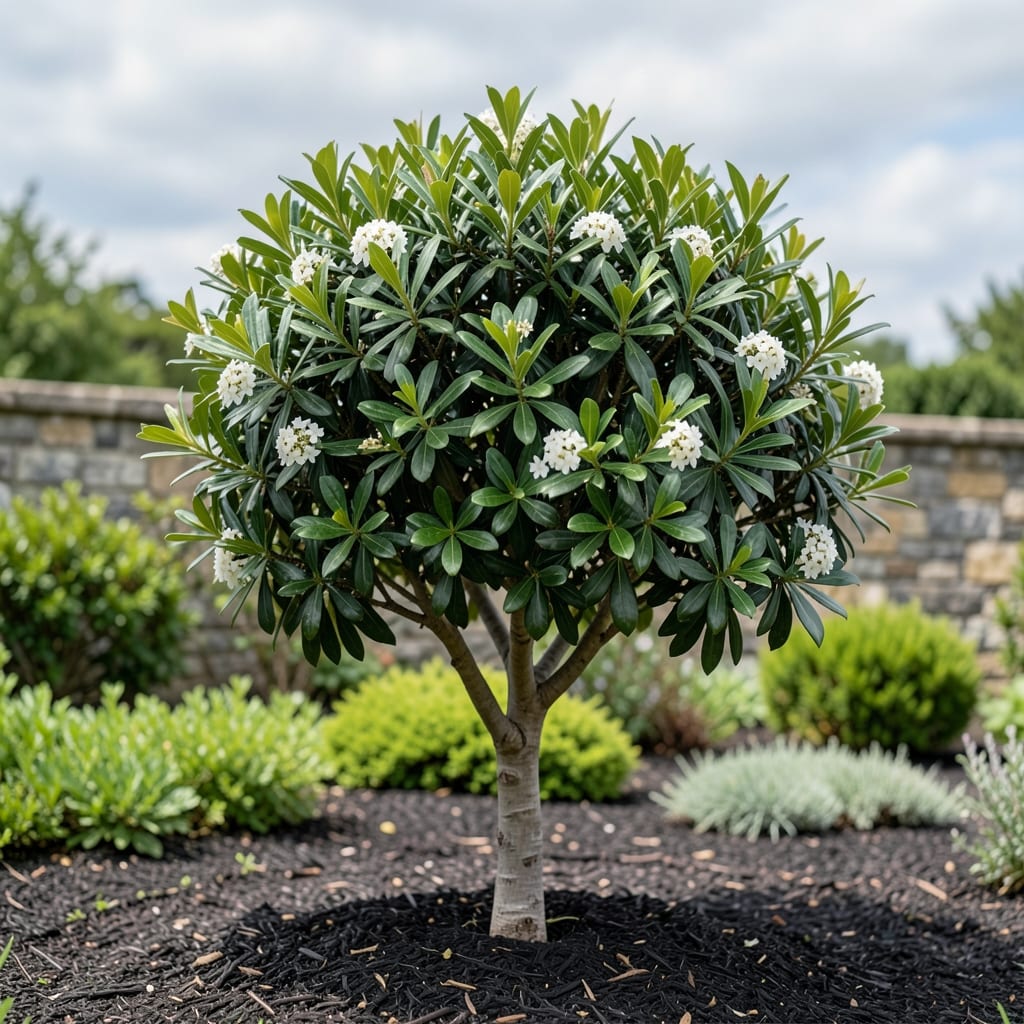
Myrtle tree leaves tell you everything about your plant’s health. I learned this the hard way after watching my first one drop leaves for weeks before realizing it needed more consistent watering.
With the right care, you’ll see vibrant green foliage that stays dense year-round. The key is matching light, water, and soil to what myrtle naturally craves. It’s simpler than most gardeners think.
📚 In This Guide
Here’s the method I use to keep myrtle foliage vibrant and healthy through every season.
Begin by examining your myrtle tree’s leaves closely. Look for signs of stress like yellowing edges, brown spots, or premature leaf drop. Healthy myrtle leaves should be deep green with a glossy finish and firm texture. I always check both the upper and lower leaf surfaces for pests or fungal issues.
Note any patterns in the discoloration. Uniform yellowing often indicates nutrient deficiency, while spotty browning suggests water stress or disease. This initial assessment guides all subsequent care decisions and prevents unnecessary treatments.
Myrtle trees prefer consistent moisture without waterlogging. Water deeply when the top 2-3 inches of soil feel dry to the touch, then allow the surface to dry slightly before the next irrigation. I’ve found that established myrtles tolerate short dry periods better than constant soggy conditions.
Use the finger test: insert your finger into the soil up to the second knuckle. If it comes out dry, it’s time to water. Overwatering shows up as yellowing leaves and wilting despite wet soil. Always water at the base rather than overhead to prevent fungal issues on the foliage.
Position your myrtle where it receives 6-8 hours of direct sunlight daily. While myrtles tolerate partial shade, the most lush foliage develops in full sun conditions. I notice that leaves in shadier spots tend to be sparser and lighter in color.
If growing indoors, place near a south-facing window or supplement with a full-spectrum grow light for 12-14 hours daily. Leaves that appear leggy or pale green often indicate insufficient light. Rotate potted myrtles weekly to ensure even growth on all sides.
Feed your myrtle with a balanced, water-soluble fertilizer every 4-6 weeks during the growing season. I recommend using a 10-10-10 or 20-20-20 formula diluted to half strength for container-grown specimens. This prevents salt buildup while providing consistent nutrition.
Watch for the response in new growth. Dark green, robust leaves indicate proper fertilization, while weak growth or leaf tip burn suggests adjustment is needed. Always water thoroughly before and after applying fertilizer to prevent root damage and ensure even distribution.
Perform light pruning in early spring to encourage bushier growth. Remove one-third of the current season’s growth, focusing on leggy stems and any damaged foliage. I always use clean, sharp pruners and make cuts just above a leaf node to stimulate new growth.
Regular shaping maintains the tree’s natural form while improving air circulation through the canopy. This reduces humidity-related leaf problems. After pruning, I typically see a flush of fresh, vibrant foliage within 3-4 weeks, especially if combined with proper watering and feeding.
Small adjustments in care can transform the health and appearance of your myrtle foliage.
Assessment Insight: In Step 1, pay close attention to the lower leaf surfaces—they often reveal pest infestations or fungal spores before upper surfaces show damage. I once missed spider mites by only checking the tops, and the problem spread quickly. Catching issues early saves you from more drastic interventions later.
Watering Wisdom: The finger test in Step 2 isn’t just about dryness—it’s about consistency. If the soil feels dry at 2 inches but soggy at 4, you’re watering too frequently. Myrtles thrive when the top 2-3 inches dry out between waterings, so resist the urge to water on a fixed schedule. Overwatering is the most common mistake I see with struggling myrtles.
Light Exposure Clarity: For Step 3, remember that 6-8 hours of direct sunlight means continuous exposure, not scattered light throughout the day. If your outdoor space only gets morning sun, supplement with a full-spectrum grow light for 12-14 hours indoors. I’ve found that myrtles under grow lights need weekly rotation to prevent lopsided growth.
Pruning Precision: When pruning in Step 5, never remove more than one-third of the current season’s growth at once. Cutting back too aggressively can shock the plant and delay that 3-4 week flush of new foliage. Always sanitize your pruners between cuts to prevent spreading disease between branches.
Yellowing leaves often indicate overwatering or poor drainage. Check soil moisture and ensure the pot has drainage holes. Nutrient deficiencies, like nitrogen or iron, can also cause this—consider a balanced fertilizer.
Prune in late winter or early spring before new growth starts. This helps shape the tree and removes damaged foliage while minimizing stress. Avoid heavy pruning in fall, as it can leave the tree vulnerable to cold.
Yes! Myrtle leaves are edible and often used in Mediterranean cuisine or herbal teas for their aromatic, slightly bitter flavor. Always wash them thoroughly and use in moderation.
Brown spots may signal fungal infections or pest damage. Improve air circulation, avoid overhead watering, and apply a fungicide if needed. Inspect for pests like aphids and treat with neem oil if present.