
Beautiful Plants For Your Interior
Beautiful Plants For Your Interior
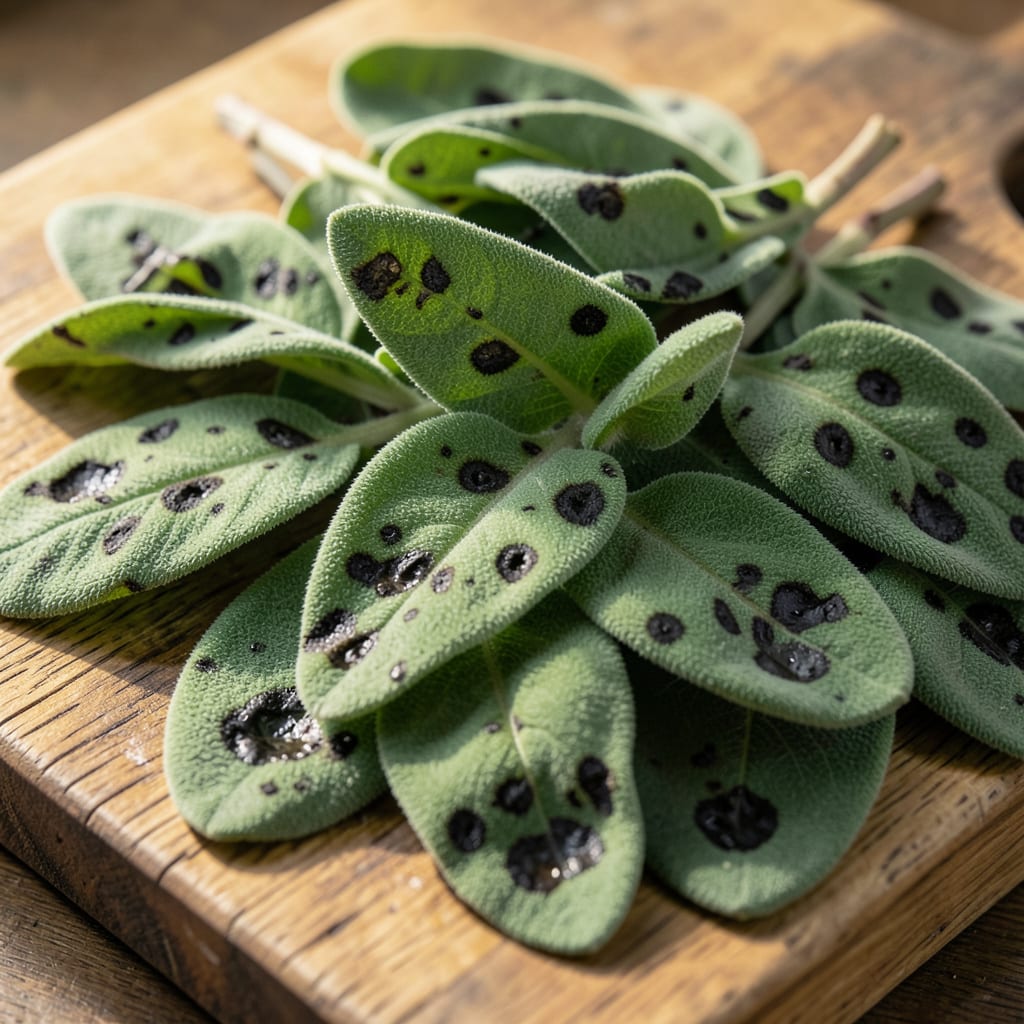
Those black spots on your sage leaves aren’t just unsightly—they’re a cry for help. I’ve seen this exact pattern before, and the good news is it’s usually fixable with a few simple changes.
The culprit is often excess moisture sitting on the leaves, creating a perfect breeding ground for fungus. Poor air circulation or overhead watering can make it worse, but natural solutions like neem oil or baking soda sprays work wonders.
Within a week of adjusting your care routine, you’ll notice new growth emerging spot-free. The key is catching it early before it spreads to the entire plant.
Works for potted sage, garden beds, or container herbs. Let’s get your plant back to its vibrant green self.
Black spots on sage leaves often signal underlying issues that disrupt the plant’s health. Below are the most common causes, explained with actionable insights.
Fungi like Alternaria or Cercospora thrive in damp, poorly ventilated conditions. These pathogens produce spores that land on leaves, germinate, and create dark, irregular spots. Overhead watering or high humidity accelerates their spread. To confirm, check for fuzzy growth or concentric rings in the spots.
Sap-sucking insects such as aphids, spider mites, or thrips pierce leaf tissues, leaving behind wounds that turn black as they dry. Their sticky honeydew also promotes sooty mold, a secondary black fungal coating. Inspect the undersides of leaves for tiny pests or webbing.
Overwatering or poor drainage leads to root rot, which manifests as blackened foliage due to nutrient uptake failure. Conversely, underwatering causes leaf tip burn that darkens over time. Sage prefers well-draining soil and moderate moisture—soggy or bone-dry conditions stress the plant.
A lack of essential nutrients like calcium or magnesium can cause necrotic (dead) spots. These often appear as dark patches between leaf veins. Test your soil; amending with compost or a balanced fertilizer can restore vitality.
Sudden frost or extreme heat can shock sage, leading to blackened, crispy spots. Sage is hardy but not invincible—protect it from freezing temps below 10°F (-12°C) or scorching midday sun without acclimation.
Dealing with black spots on your sage leaves can be frustrating, but there are effective ways to restore your plant’s health. Below are practical solutions based on the most common causes, along with prevention tips to keep your sage thriving.
If the spots are due to fungal issues like Alternaria or mildew, start by pruning affected leaves with clean shears to prevent spread. Thin out dense foliage to boost airflow and reduce humidity. Apply a natural fungicide like neem oil or a baking soda solution (1 tsp baking soda + 1 quart water + a few drops of dish soap) every 5–7 days until the issue clears. Prevention tip: Space plants properly and water at the base to keep leaves dry. 💡
For spots caused by pests like aphids or spider mites, spray leaves with a soapy water solution (1 tsp mild soap + 1 quart water) to dislodge them. For severe infestations, use insecticidal soap or introduce beneficial insects like ladybugs. Prevention tip: Inspect plants regularly and encourage biodiversity in your garden to deter pests naturally. 🎯
If soggy soil is the culprit, let the top 1–2 inches of soil dry out before watering again. Ensure pots have drainage holes, and consider repotting in well-draining soil if root rot is suspected. Prevention tip: Use a moisture meter to avoid overwatering and always empty saucers after watering. ⏰
Yellowing leaves with black spots may signal a lack of nutrients like magnesium or calcium. Apply a balanced, organic fertilizer or amend the soil with compost. Prevention tip: Test your soil annually and fertilize during the growing season for optimal health. ✨
Not always. While fungal infections are common, they can also result from pest damage, overwatering, or nutrient deficiencies. Inspect the pattern and plant conditions to identify the cause.
Improve airflow by pruning dense foliage and avoid overhead watering. Apply neem oil or a baking soda spray every 5-7 days until the issue resolves.
Yes, soggy soil leads to root rot, which can manifest as blackened leaves. Let the top 1-2 inches of soil dry out between waterings and ensure proper drainage.
It’s best to avoid eating affected leaves, as the cause might be fungal or pest-related. Remove and discard spotted leaves and monitor the plant’s recovery.
