
Beautiful Plants For Your Interior
Beautiful Plants For Your Interior
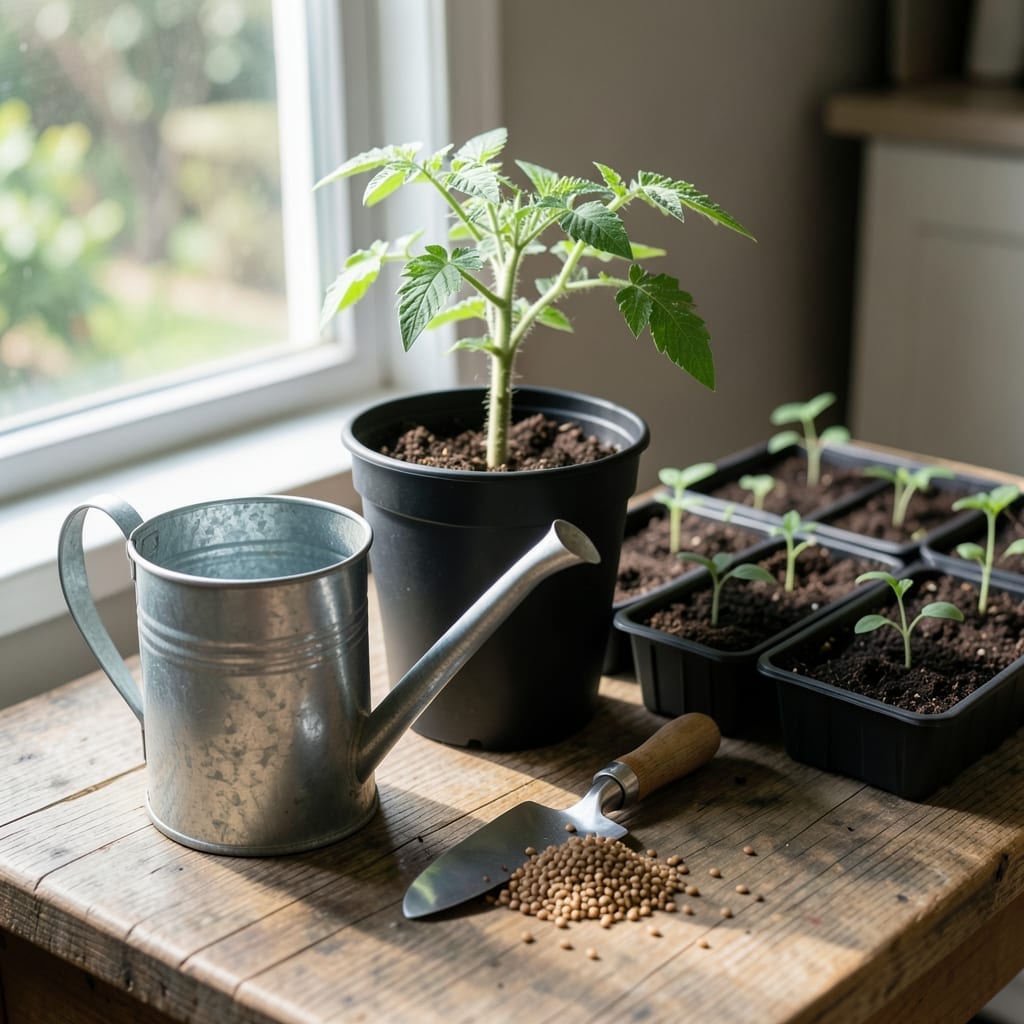
Timing is everything when starting 🌱 seedlings for spring—plant too early and frost could kill your tender sprouts, too late and you’ll miss the growing season.
That’s why knowing your local frost dates and zone is the key to success. In Zone 6, for example, starting indoors in March sets you up perfectly for transplanting after the last frost.
But it’s not just about the calendar. Different plants have different needs, and understanding these nuances can make or break your garden.
I’ll walk you through exactly when to start, what to watch for, and how to adjust for your specific conditions. Let’s get your spring garden off to a strong start!
Getting your spring seedlings started at the right time is crucial for a successful growing season. The timing varies significantly by USDA hardiness zone, so knowing your zone helps you avoid common pitfalls. In colder zones like 1-3, you’ll need to start seeds indoors earlier.
Warmer zones like 9-11 can start seeds later or even direct sow certain crops. This guide breaks down the optimal start times for each zone, ensuring your seedlings are ready to transplant after the last frost date.
In Zone 5-6, most gardeners start tomatoes and peppers indoors about 6-8 weeks before the last frost. This gives them sturdy seedlings ready for transplanting when the soil warms up. Always check your local weather for unusual late frosts.
For Zone 7-8, the growing season starts earlier, so you can begin seeds indoors 4-6 weeks before the last frost. This zone often allows for two planting windows—early spring and late summer for a fall harvest.
Gardeners in Zone 9-11 have the luxury of year-round growing in many cases. Here, you can start seeds as early as January or February for some crops, or even direct sow many vegetables once the soil is workable.
Remember, these are general guidelines. Your specific microclimate can affect timing. If you live in a valley or near a lake, your last frost date might differ from the general zone recommendation. Always observe your local conditions.
For cool-season crops like lettuce, spinach, and peas, you can often start seeds even earlier. These plants tolerate light frosts and can be planted 4-6 weeks before the last frost date in most zones.
If you’re unsure about your USDA zone, use the USDA Plant Hardiness Zone Map online. Simply enter your ZIP code to find your exact zone and last frost date. This takes the guesswork out of planning.
Starting seedlings indoors gives you a head start on the growing season, but it’s important not to start too early. Seedlings started too soon can become leggy and weak, making them less likely to thrive once transplanted.
I always start by finding my last frost date—this is your anchor. For most areas, this is available from local extension offices or online tools.
Once I have that date, I count backward based on the seed packet instructions. Most tomatoes need 6-8 weeks indoors before transplanting, while peppers often need 8-10 weeks. 🌱
For example, in Zone 5 with a last frost around April 15, I’d start tomato seeds indoors around February 20. This gives them plenty of time to grow sturdy before moving outside.
I also keep a garden journal to track what works. Last year, my broccoli seedlings were ready a week early, so I’ll start them a bit later this season. ☀️
Remember, these are guidelines. Watch your seedlings closely—they’ll tell you when they’re ready for the next step. Leggy stems or yellowing leaves mean it’s time to adjust your approach.