
Beautiful Plants For Your Interior
Beautiful Plants For Your Interior
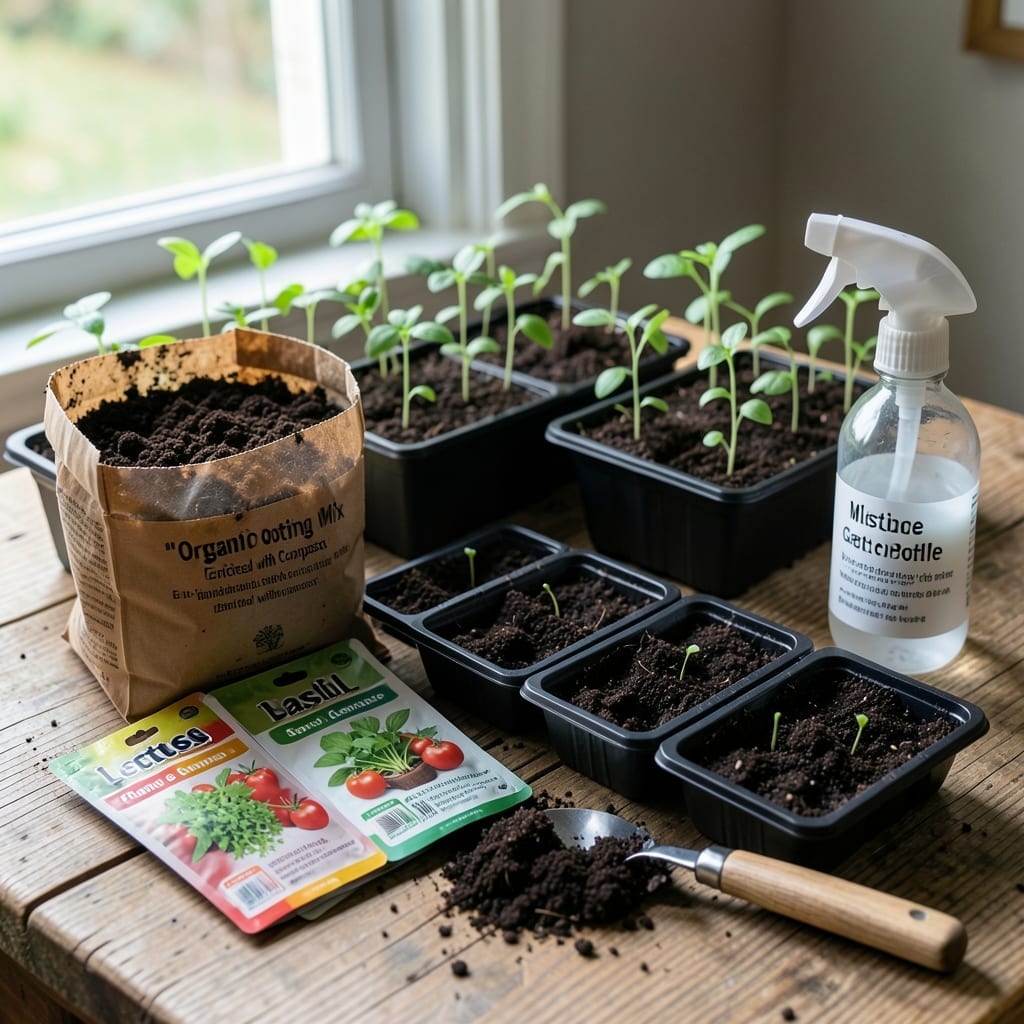
Timing your indoor seed starting perfectly can mean the difference between a thriving spring garden and a lackluster one. For General Seedlings 🌱 in zone 6, the window is tight but rewarding.
Starting too early leads to leggy, overgrown plants. Begin too late, and you’ll miss the optimal planting window. The sweet spot exists between these extremes.
I’ve learned through trial and error that 6-8 weeks before your last frost date is the magic number. For zone 6, that typically means February through early April.
Discover how to calculate the perfect timing for your specific plants and location. Your most productive spring garden starts with this critical first step.
Timing is everything when starting seeds indoors for spring. The key is working backward from your last frost date, which varies by USDA hardiness zone. Most seedlings need 6-8 weeks indoors before transplanting.
For example, in Zone 6, with a last frost around April 15, I start tomato seeds indoors in mid-March. Cooler zones like Zone 3 may begin as early as February for slow growers.
| USDA Zone | Start Indoors | Common Plants |
|---|---|---|
| Zones 1-2 | 12-14 weeks before last frost | Cabbage, Broccoli |
| Zones 3-4 | 8-10 weeks before last frost | Peppers, Eggplant |
| Zones 5-6 | 6-8 weeks before last frost | Tomatoes, Lettuce |
| Zones 7-8 | 4-6 weeks before last frost | Beans, Cucumbers |
| Zones 9-11 | 2-4 weeks before last frost | Zinnias, Marigolds |
I always check the seed packet for specific instructions, as some plants like petunias need 10-12 weeks indoors. Fast growers such as radishes or spinach may only need 4 weeks.
Your local microclimate matters too. If you live in a valley or near a large body of water, frost dates can shift. I recommend using a soil thermometer to confirm conditions.
For cool-season crops like kale or peas, I start them indoors 4-6 weeks before the last frost. These can tolerate light frost and even benefit from cool temperatures.
Warm-season plants such as tomatoes and peppers are more sensitive. I wait until all danger of frost has passed and soil temps reach at least 60°F before transplanting.
If you’re in Zone 10 or 11, you can start seeds indoors almost year-round. However, I avoid planting during the hottest months to prevent heat stress on young seedlings.
Remember, these are general guidelines. I always adjust based on my specific location and the current weather. A gardening journal helps track what works best in your area.
For the most accurate timing, I consult my local cooperative extension office. They provide zone-specific advice and can alert you to unusual weather patterns that might affect your planting schedule.
With proper timing and care, your indoor-started seeds will develop into strong, healthy seedlings ready for spring transplanting ☀️
I always check my local microclimate before starting seeds indoors. Even within the same hardiness zone, small variations can affect when to plant. Your last frost date is the key milestone for timing.
I use soil temperature and daylight hours as guides. Most vegetables need 60-70°F soil to germinate. If your area has late cold snaps, delay starting tender plants.
I find that coastal areas often have milder winters, allowing earlier starts. In contrast, inland valleys may experience frost pockets that require later planting. Always observe your specific conditions.
For cool-season crops like lettuce and spinach, I start seeds 4-6 weeks before the last frost. These can tolerate light frosts and even benefit from cooler temperatures.
With warm-season plants like tomatoes and peppers, I wait until 2-3 weeks after the last frost date. These need consistent warmth and can’t handle any frost.
I’ve learned that weather patterns can shift yearly. Keeping a garden journal helps me track what works best in my specific location from year to year. ☀️