
Beautiful Plants For Your Interior
Beautiful Plants For Your Interior
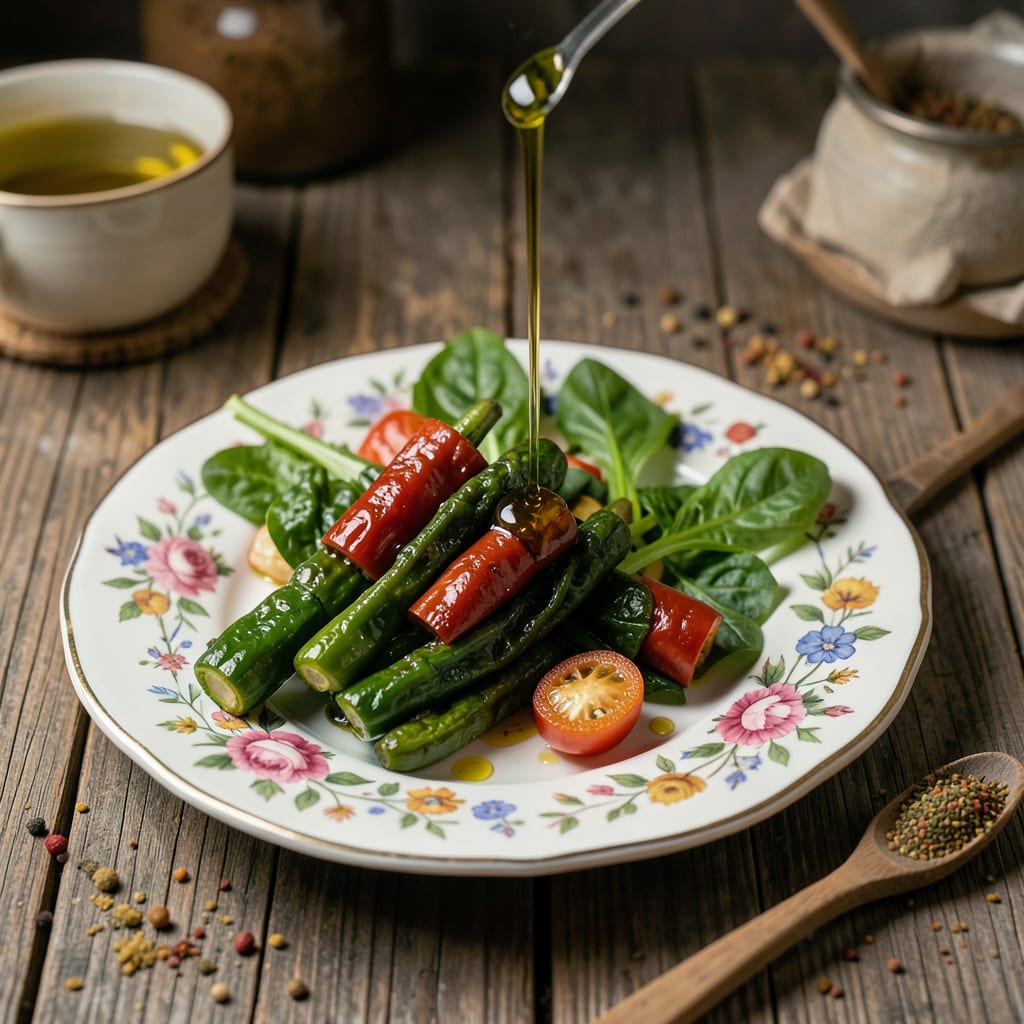
Fertilizing your Vegetables 🥗 at the right time can make all the difference in your harvest. I’ve learned that timing is everything when it comes to gardening in USDA Zone 6, where the growing season typically starts in spring.
Understanding when to feed your vegetables is crucial for optimal growth. Let’s explore the best times to fertilize your vegetables and how to do it effectively to ensure a bountiful harvest.

Fertilizing vegetables is a critical step in ensuring a healthy and productive garden. Different vegetables have different fertilization needs, and understanding these needs is key to a successful harvest. I’ve found that knowing when to fertilize can make all the difference in the growth and yield of your vegetables 🌱.
The type of vegetable you’re growing plays a significant role in determining when and how to fertilize. For instance, leafy greens like lettuce and spinach require more frequent fertilization than root vegetables like carrots and beets. Let’s dive into the specifics of fertilization needs for various vegetable types.
Understanding the fertilization needs of different vegetables is crucial for maximizing your harvest. By tailoring your fertilization schedule to the specific needs of each vegetable type, you can ensure that your plants receive the nutrients they need to thrive.
Leafy greens, such as lettuce and spinach, are high in nitrogen needs. They require frequent fertilization, typically every 2-3 weeks, to support their rapid growth. A nitrogen-rich fertilizer is ideal for these plants.
Fruiting plants, including tomatoes, peppers, and cucumbers, benefit from a balanced fertilizer at planting time. As they begin to fruit, a high potassium fertilizer can help promote fruit development and overall plant health.
Root vegetables, such as carrots and beets, have lower fertilization needs compared to leafy greens and fruiting plants. It’s essential to avoid high nitrogen levels, as this can lead to excessive foliage growth at the expense of root development.
Legumes, including beans and peas, have the unique ability to fix nitrogen from the air. As a result, they generally require less fertilization than other vegetable types. However, they still benefit from a balanced fertilizer at planting time to support early growth 🌿.
By understanding the specific fertilization needs of your vegetables, you can create a targeted fertilization plan that supports the health and productivity of your garden.
For more detailed information on fertilization schedules and tips, continue reading the next section.
The key to successful vegetable gardening is providing the right nutrients at the right time. By following these guidelines, you’ll be well on your way to a bountiful harvest 🌻.
Fertilizing vegetables at the right time is crucial for their growth and productivity. I’ve found that understanding the signs of nutrient deficiency and knowing when to fertilize can make a significant difference in your harvest 🌼.
Different vegetables have different fertilization needs, and being able to identify when they need nutrients is key. Let’s explore the signs of nutrient deficiency and how to determine the best fertilization schedule for your vegetables.
Yellowing leaves, slow growth, or poor fruit development can indicate nutrient deficiencies in your vegetables.
One of the most effective ways to determine if your vegetables need fertilization is to test your soil. Soil testing can reveal nutrient deficiencies and help you choose the right fertilizer for your plants.
Signs of nutrient deficiency in vegetables can include yellowing leaves, slow growth, and poor fruit development. If you notice any of these signs, it may be time to fertilize your vegetables.
The fertilization schedule for your vegetables will depend on the type of vegetables you’re growing and the results of your soil test. As a general rule, vegetables typically require fertilization every 4-6 weeks during the growing season.
In my experience, it’s essential to monitor your plants regularly and adjust your fertilization schedule as needed. By doing so, you can ensure that your vegetables receive the nutrients they need to thrive 🌻.
For more information on fertilization best practices and tips, continue reading the next section.
By understanding when to fertilize your vegetables and how to identify signs of nutrient deficiency, you can take the necessary steps to support their growth and productivity.
Fertilizing vegetables effectively is crucial for a bountiful harvest. I’ve learned that using the right techniques and products can make all the difference in the growth and productivity of your plants 🌼.
When it comes to fertilizing vegetables, there are several best practices to keep in mind. Let’s explore some expert tips for effective vegetable fertilization.
Select between organic and synthetic fertilizers based on your gardening goals and soil needs.
Foliar feeding can provide a quick nutrient boost to your plants, especially during critical growth stages.
Too much fertilizer can harm your plants and the environment. Always follow the recommended application rates.
By following these expert tips, you can ensure that your vegetables receive the nutrients they need to thrive. Effective fertilization is key to a healthy and productive garden 🌻.
For more detailed information on vegetable fertilization and other gardening tips, continue reading the next section.
By implementing these strategies, you’ll be well on your way to a successful and bountiful harvest 🌼.
Vegetables typically require fertilization every 4-6 weeks during the growing season. However, this frequency can vary depending on the type of vegetables you’re growing and the results of your soil test. Regular monitoring of your plants will help you adjust the fertilization schedule as needed.
Signs of nutrient deficiency in vegetables can include yellowing leaves, slow growth, and poor fruit development. If you notice any of these signs, it may be time to fertilize your vegetables. Conducting a soil test can also help determine if your soil lacks essential nutrients.
No, different vegetables have different fertilization needs. For example, leafy greens require more nitrogen, while fruiting plants benefit from balanced fertilizers with higher potassium during fruiting. Understanding the specific needs of your vegetables will help you choose the right fertilizer.
Yes, over-fertilization can harm your plants and the environment. It’s essential to follow the recommended application rates and monitor your plants’ response to fertilization. Too much fertilizer can lead to excessive foliage growth at the expense of fruit development.
