
Beautiful Plants For Your Interior
Beautiful Plants For Your Interior
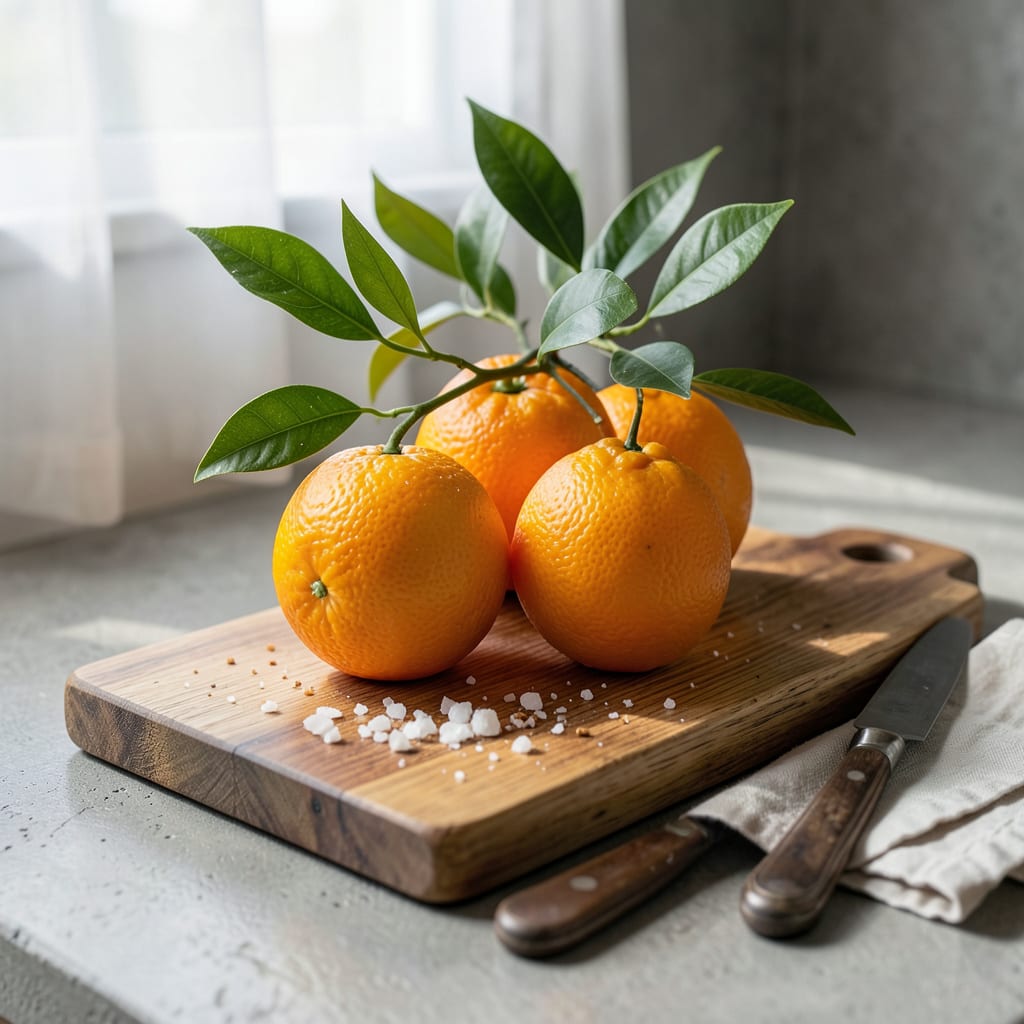
Fertilizing your 🍊 Orange Tree at the right time is crucial for maximizing fruit production and maintaining tree health. In USDA Zone 9b, the growing season typically starts in spring, making it essential to plan your fertilization schedule accordingly.
Understanding when to fertilize can be the difference between a bountiful harvest and a struggling tree. I’ll guide you through the best times to fertilize your Orange Tree, considering factors like climate and tree age, to ensure you’re giving your tree the nutrients it needs to thrive.

Fertilizing orange trees is a critical task that requires careful timing to ensure optimal growth and fruit production. In general, orange trees benefit from a balanced fertilization schedule that aligns with their growth cycle.
The fertilization schedule for orange trees typically begins in early spring, around February or March, when the tree starts to produce new growth. This initial application helps support the development of new leaves and fruit.
For optimal results, it’s recommended to fertilize orange trees every 6-8 weeks during the growing season, using a balanced fertilizer with an NPK ratio of 10-10-10. The amount of fertilizer to apply depends on the tree’s age and size, but a general guideline is to use 1 cup of fertilizer per 10 square feet of canopy area.
The best time to fertilize is in the early morning, allowing the tree to absorb the nutrients throughout the day, and minimizing the risk of nutrient loss due to evaporation or runoff.
Orange trees have different fertilization needs based on their age. Young trees (less than 3 years old) require more frequent fertilization to support their rapid growth, while mature trees can follow a more standard schedule.
It’s essential to monitor soil conditions and adjust the fertilization schedule accordingly. Soil testing can help determine the tree’s nutrient needs and identify any potential deficiencies or imbalances.
By following a well-planned fertilization schedule and considering factors like climate, tree age, and soil conditions, you can help your orange tree thrive and enjoy a bountiful harvest.
For more specific guidance on fertilizing orange trees, it’s always a good idea to consult with local gardening experts or check the specific instructions on your fertilizer package.
Regular fertilization is just one aspect of maintaining a healthy orange tree. Be sure to also provide your tree with adequate water, sunlight, and pruning to ensure optimal growth and fruit production.
Fertilizing orange trees is a long-term commitment, but with the right timing and techniques, you can enjoy a rewarding and productive harvest for years to come.
Fertilizing orange trees requires more than just knowing when to apply fertilizer – it’s also about understanding the right techniques and materials to use for optimal results.
First, it’s essential to choose a balanced fertilizer that contains the right mix of nutrients for your orange tree. A fertilizer with an NPK ratio of 10-10-10 is generally recommended, as it provides equal parts nitrogen, phosphorus, and potassium.
For optimal results, consider using a slow-release fertilizer that provides nutrients to your orange tree over an extended period, reducing the need for frequent applications and minimizing the risk of over-fertilization.
When applying fertilizer, it’s crucial to follow the recommended application rates to avoid over-fertilizing, which can damage your tree. A general guideline is to use 1 cup of fertilizer per 10 square feet of canopy area.
The timing of fertilization is also critical. As previously discussed, orange trees benefit from fertilization in early spring, summer, and early fall. Avoid fertilizing during the winter months when the tree is dormant.
Soil conditions play a significant role in determining the effectiveness of fertilization. Regular soil testing can help identify nutrient deficiencies and pH imbalances, allowing you to adjust your fertilization strategy accordingly.
In addition to using the right fertilizer and application techniques, it’s essential to maintain good soil health through practices like mulching and composting. These methods help retain moisture, suppress weeds, and provide additional nutrients to your orange tree.
By combining proper fertilization techniques with good overall tree care, you can help your orange tree thrive and enjoy a bountiful harvest for years to come. 🌳
For more specific guidance on fertilizing orange trees, consider consulting with local gardening experts or checking the instructions on your fertilizer package for tailored advice.
Fertilizing orange trees can be a straightforward process if you know what to avoid. One of the most common mistakes is over-fertilizing, which can damage your tree and the environment 🌳.
Be cautious of over-fertilization, as it can cause more harm than good to your orange tree. Too much fertilizer can lead to nutrient imbalances and potentially damage the tree’s roots.
Another mistake to avoid is fertilizing at the wrong time. Orange trees have different fertilization needs based on their growth cycle. Fertilizing during the winter months when the tree is dormant can be wasteful and potentially harmful.
It’s also essential to monitor soil conditions before fertilizing. Soil testing can help determine the tree’s nutrient needs and identify any potential deficiencies or imbalances. This information can help you adjust your fertilization schedule accordingly.
Additionally, be mindful of the type of fertilizer you use. A balanced fertilizer with an NPK ratio of 10-10-10 is generally recommended for orange trees. Avoid using fertilizers with high nitrogen content, as they can promote excessive vegetative growth at the expense of fruit production.
By avoiding these common fertilization mistakes, you can help ensure your orange tree receives the nutrients it needs to thrive. Regular monitoring and adjustments to your fertilization schedule can make a significant difference in the health and productivity of your tree 🍊.
Fertilize your orange tree every 6-8 weeks during the growing season, which typically starts in early spring and continues through early fall. This schedule supports the tree’s growth cycle and maximizes fruit production.
A balanced fertilizer with an NPK ratio of 10-10-10 is generally recommended for orange trees. This type of fertilizer provides equal parts nitrogen, phosphorus, and potassium, supporting overall tree health and fruit production.
No, it’s best to avoid fertilizing during the winter months when the tree is dormant. Fertilizing during this time can be wasteful and potentially harmful to the tree. Instead, focus on fertilizing during the growing season.
A general guideline is to use 1 cup of fertilizer per 10 square feet of canopy area. However, the exact amount may vary depending on the tree’s age and size, so be sure to consult the specific instructions on your fertilizer package.
