
Beautiful Plants For Your Interior
Beautiful Plants For Your Interior
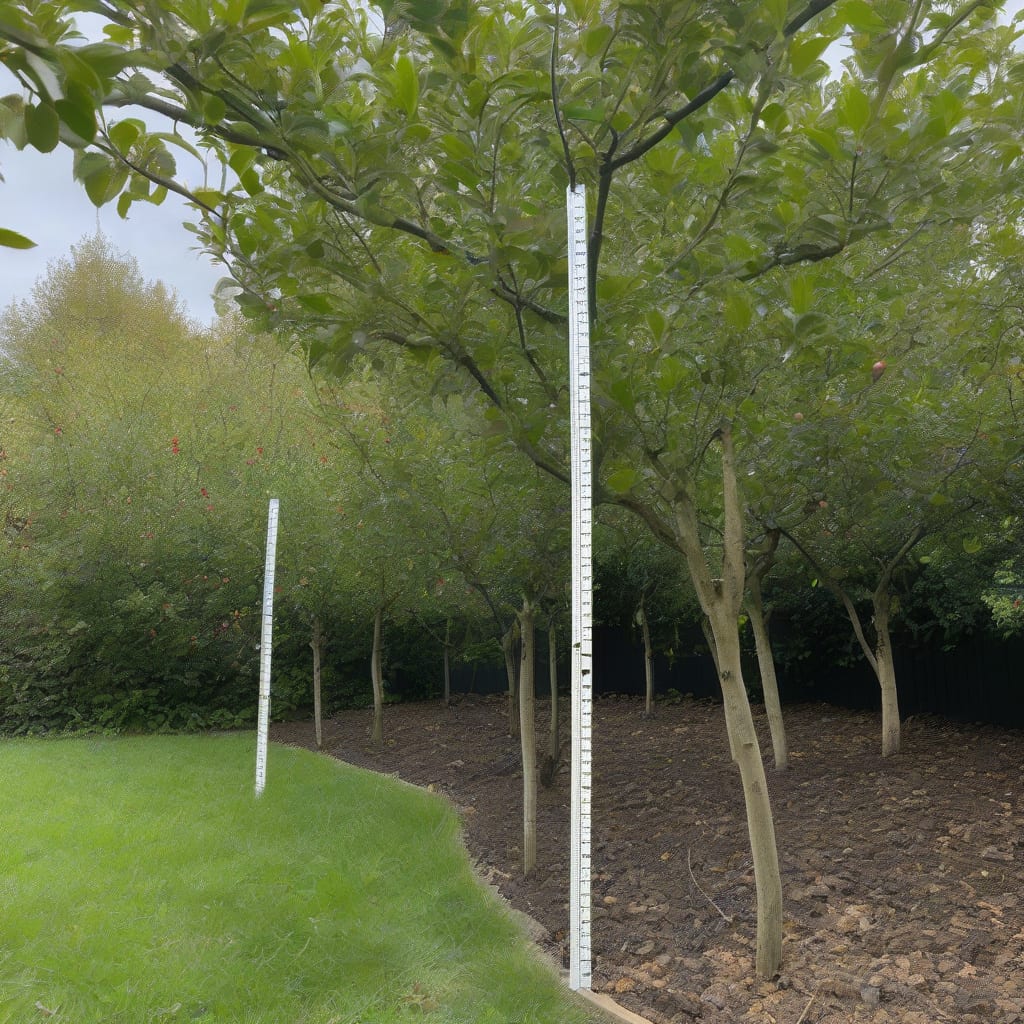
When planning your garden, understanding the growth patterns of semi-dwarf trees is essential. These trees, like the 🌳 Tree, offer a great balance between size and productivity, typically growing to be around 12-18 feet tall.
In USDA Zone 6, semi-dwarf trees thrive when planted in the spring. Proper care, including regular pruning and suitable soil conditions, will help them reach their full potential. Let’s explore what you can expect from these versatile trees.

3-6 ft

3-6 ft

3-6 ft

3-6 ft
Semi-dwarf trees are a popular choice for gardeners due to their manageable size and abundant fruit production. The height of these trees is influenced by several factors, including rootstock, soil quality, and pruning practices. Generally, semi-dwarf trees grow to be around 12-18 feet tall, making them ideal for smaller gardens or orchards 🌳.
The rootstock plays a crucial role in determining the mature height of a semi-dwarf tree. Different rootstocks can result in varying heights, ranging from 10-20 feet. For example, apple trees on M111 rootstock typically grow to be around 15-20 feet, while those on M9 rootstock may only reach 8-12 feet. Understanding the rootstock is essential for predicting the tree’s mature height.
Soil quality is another critical factor that affects the growth of semi-dwarf trees. Trees grown in well-draining, fertile soil with adequate nutrients will generally grow more vigorously than those in poor soil conditions. Regular soil testing and amendments can help maintain optimal soil health, supporting healthy tree growth 🌱.
Pruning practices also play a significant role in managing the height and shape of semi-dwarf trees. Regular pruning helps maintain a balanced structure, promotes fruiting, and can control the overall height of the tree. Proper pruning techniques can help achieve a desirable height while maintaining the tree’s overall health and productivity.
Understanding these factors is crucial for gardeners who want to make the most of their semi-dwarf trees. By selecting the right rootstock, maintaining optimal soil conditions, and employing effective pruning practices, gardeners can ensure their trees thrive and produce abundant fruit for years to come 🌳.
The mature height of semi-dwarf trees typically ranges from 12-18 feet, but this can vary based on the specific variety and growing conditions. For instance, apple trees on certain rootstocks may grow taller than those on dwarfing rootstocks. Understanding these nuances helps gardeners plan their orchard layout more effectively.
In summary, semi-dwarf trees offer a great balance between size and productivity, making them an excellent choice for many gardeners. By understanding the factors that influence their growth, such as rootstock, soil quality, and pruning practices, gardeners can optimize their tree’s performance and enjoy a bountiful harvest.
For more detailed information on specific tree varieties and their growth patterns, consider consulting with local gardening experts or horticultural resources. They can provide valuable insights tailored to your specific climate and growing conditions, helping you make the most of your semi-dwarf trees 🌼.
Semi-dwarf trees are influenced by multiple factors that determine their final height. The rootstock selection is one of the primary factors, as different rootstocks can significantly affect the tree’s mature height. For example, apple trees on M9 rootstock typically grow to be around 8-12 feet, while those on M111 rootstock can reach heights of 15-20 feet 🌳.
The height of semi-dwarf trees is primarily influenced by rootstock selection, pruning techniques, and environmental conditions. Understanding these factors helps gardeners predict and manage their tree’s mature height effectively.
Pruning techniques also play a crucial role in controlling the height of semi-dwarf trees. Regular pruning helps maintain a balanced structure and can limit the tree’s overall height. Proper pruning involves removing dead or diseased branches and shaping the tree to promote healthy growth and fruit production 🌿.
Environmental conditions, such as soil quality and climate, further impact the growth of semi-dwarf trees. Trees grown in well-draining, fertile soil with adequate nutrients tend to grow more vigorously than those in poor soil conditions. Additionally, trees in favorable climates with sufficient sunlight and water will generally reach their full height potential more effectively 🌻.
The combination of these factors determines the final height of semi-dwarf trees. By understanding and managing these influences, gardeners can better predict and control the mature height of their trees, ensuring they fit well within their garden or orchard space 🌳.
For instance, a semi-dwarf apple tree on M9 rootstock might grow to be around 10 feet tall in poor soil conditions, but with optimal care and regular pruning, it can reach its expected height of 12 feet or more. This flexibility makes semi-dwarf trees a versatile choice for various gardening needs.
In conclusion, the height of semi-dwarf trees is influenced by a combination of rootstock selection, pruning techniques, and environmental conditions. By carefully managing these factors, gardeners can optimize the growth and productivity of their semi-dwarf trees, ensuring they thrive in their garden or orchard 🌼.
Understanding these factors is essential for making informed decisions when planting and caring for semi-dwarf trees. With the right knowledge and techniques, gardeners can enjoy the benefits of these versatile trees, including their manageable size and abundant fruit production 🌸.
Pruning is a crucial technique for managing the size of semi-dwarf trees while maintaining their fruit production. Regular pruning helps control the tree’s height and promotes a balanced structure, which is essential for healthy growth and abundant fruiting 🌳.
Start by removing any dead, diseased, or damaged branches. This helps prevent the spread of disease and encourages healthy growth.
Thin out the center of the tree to allow better air circulation and light penetration. This promotes even fruit ripening and reduces the risk of disease.
Shape the tree by cutting back overgrown branches and maintaining a balanced structure. This helps control the tree’s height and promotes fruiting.
Pruning should be done during the dormant season, typically in late winter or early spring, to minimize stress on the tree and promote vigorous growth in the growing season 🌿.
By following these pruning techniques, gardeners can effectively manage the size of their semi-dwarf trees, ensuring they remain productive and healthy. Regular pruning not only controls the tree’s height but also enhances its overall structure and fruit production.
For more detailed pruning guides and tips specific to your tree variety, consult with local gardening experts or horticultural resources. They can provide valuable insights and advice tailored to your specific climate and growing conditions 🌼.
Effective pruning is key to maintaining the optimal size and productivity of semi-dwarf trees. By understanding and applying proper pruning techniques, gardeners can enjoy a bountiful harvest from their well-managed trees.
