
Beautiful Plants For Your Interior
Beautiful Plants For Your Interior
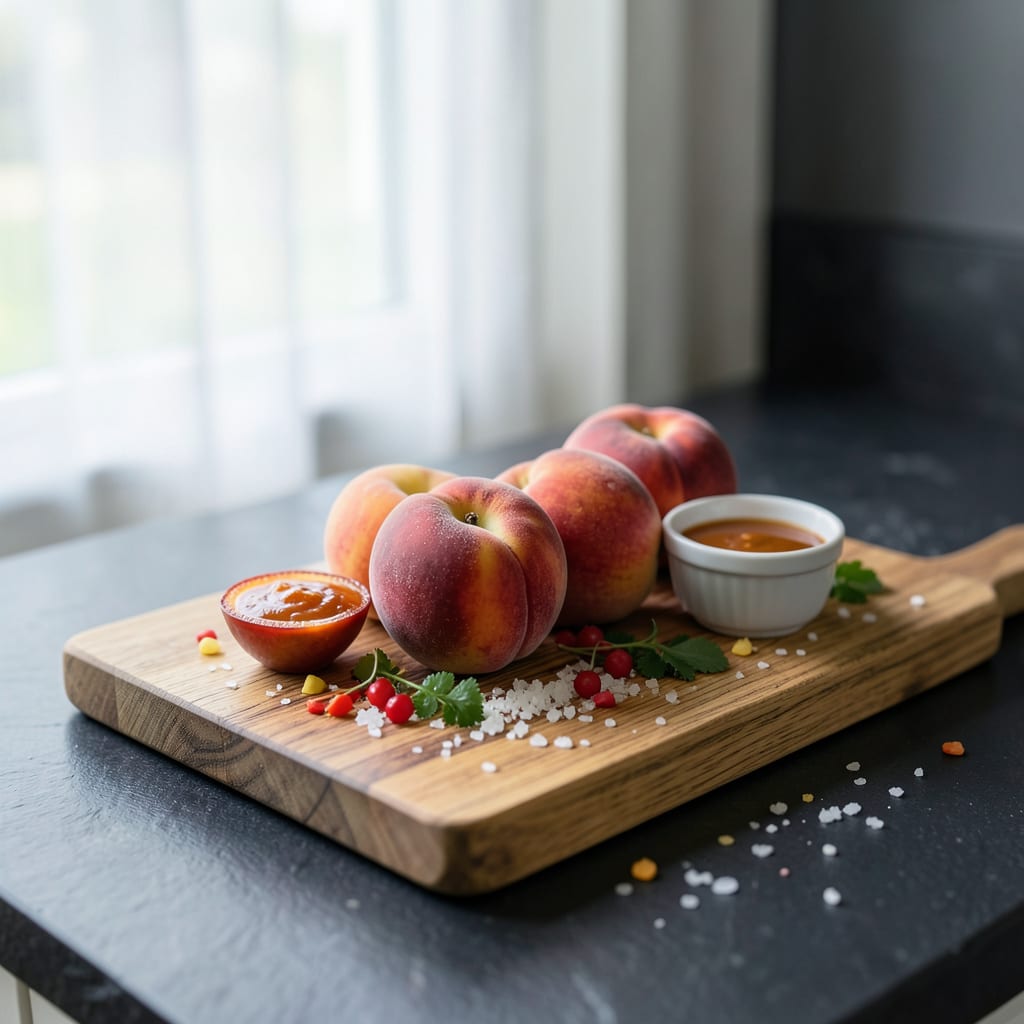
Fertilizing your 🍑 Peach Tree at the right time is crucial for a bountiful harvest. In USDA Zone 6, timing is everything to maximize fruit production and maintain tree health throughout the growing season.
I’ll guide you through the best times to fertilize your Peach Tree, including early spring applications and post-harvest care, to ensure your tree thrives and produces delicious fruit all summer long.

Fertilizing peach trees is a crucial step in maintaining their health and maximizing fruit production. The timing of fertilization depends on several factors, including the tree’s age, soil conditions, and seasonal growth patterns 🌳.
In general, the best time to fertilize peach trees is in early spring, just before the growing season begins. This allows the tree to absorb the necessary nutrients as it starts to produce new growth 🌱.
The age of the peach tree also plays a significant role in determining the fertilization schedule. Young trees require more frequent fertilization than mature trees, as they need nutrients to support their rapid growth 🌱.
For young peach trees (1-2 years old), I recommend fertilizing every 4-6 weeks during the growing season, using a balanced fertilizer (10-10-10 NPK). This will help promote healthy growth and development.
For mature peach trees (3 years and older), fertilizing once or twice a year is sufficient. The first application should be in early spring (February-March), and the second application can be made in late spring (April-May), if necessary.
It’s also essential to consider the soil conditions when fertilizing peach trees. Soil testing can help determine the nutrient levels and pH, allowing you to adjust your fertilization strategy accordingly.
Soil pH is a critical factor, as peach trees prefer a slightly acidic to neutral soil pH (6.0-7.0). If your soil pH is too high or too low, it can affect the tree’s ability to absorb nutrients.
In addition to the timing and type of fertilizer, the application method is also important. Fertilizer should be applied evenly around the tree’s drip line, avoiding the trunk and roots.
By following these guidelines and considering the specific needs of your peach tree, you can provide the necessary nutrients for optimal growth and fruit production 🌟.
Regular fertilization, combined with proper soil care and other cultural practices, will help maintain the overall health and productivity of your peach tree.
Fertilizing peach trees is a long-term process that requires patience and attention to detail. By understanding the optimal fertilization schedule and adjusting it according to your tree’s needs, you can enjoy a bountiful harvest for years to come 🌳.
Fertilizing peach trees is a seasonal process that requires careful planning and attention to the tree’s growth patterns. Understanding the different seasons and how they impact your peach tree’s nutritional needs is crucial for optimal fruit production and tree health 🌳.
In this section, we’ll explore the key fertilization periods for peach trees, including the dormant season, bloom time, and post-harvest care. By following this seasonal guide, you’ll be able to provide your peach tree with the necessary nutrients to thrive throughout the year.
During the dormant season, peach trees require little to no fertilizer. Focus on pruning and soil care to prepare for the upcoming growing season.
Apply a balanced fertilizer (10-10-10 NPK) just before the tree starts to bloom. This will provide essential nutrients for healthy growth and fruit development.
After harvesting your peaches, apply a light fertilizer to support the tree’s recovery and prepare it for the next growing season.
By following this seasonal fertilization guide, you’ll be able to provide your peach tree with the necessary nutrients to thrive throughout the year.
Soil testing can help determine the nutrient levels and pH, allowing you to make informed decisions about your fertilization schedule.
In addition to fertilization, other cultural practices such as pruning, watering, and pest management are also crucial for maintaining the overall health and productivity of your peach tree.
By combining these practices with a well-planned fertilization schedule, you’ll be able to enjoy a bountiful harvest for years to come 🌟.
Fertilizing peach trees requires careful consideration to avoid common mistakes that can harm the tree’s health and reduce fruit production 🌳.
One of the most critical errors is over-fertilization, which can cause damage to the tree’s roots and leaves. To avoid this, it’s essential to follow the recommended fertilization schedule and use the correct amount of fertilizer.
Applying too much fertilizer can damage your peach tree’s roots and leaves. Always follow the recommended application rates and schedule.
Another common mistake is using the wrong type of fertilizer. Peach trees require a balanced fertilizer (10-10-10 NPK) to promote healthy growth and fruit production. Avoid using fertilizers with high nitrogen levels, as they can promote excessive vegetative growth at the expense of fruiting.
Soil testing is also crucial to determine the nutrient levels and pH. This information will help you adjust your fertilization strategy to meet the specific needs of your peach tree.
By avoiding these common mistakes and following the recommended fertilization guidelines, you can help maintain the health and productivity of your peach tree 🌟.
Regular monitoring and adjustments to your fertilization schedule will ensure your peach tree receives the necessary nutrients for optimal growth and fruit production.
For young peach trees (1-2 years old), fertilize every 4-6 weeks during the growing season. For mature trees (3 years and older), fertilize once or twice a year, in early spring and late spring if necessary.
Peach trees require a balanced fertilizer (10-10-10 NPK) to promote healthy growth and fruit production. Avoid fertilizers with high nitrogen levels as they can cause excessive vegetative growth.
It’s best to avoid fertilizing during the hottest summer months to prevent over-fertilization. Instead, focus on maintaining soil health and providing adequate water during this period.
Signs of over-fertilization include excessive leaf growth, weak branches, and reduced fruit production. If you notice these symptoms, stop fertilizing and consider soil testing to adjust your fertilization strategy.
