
Beautiful Plants For Your Interior
Beautiful Plants For Your Interior
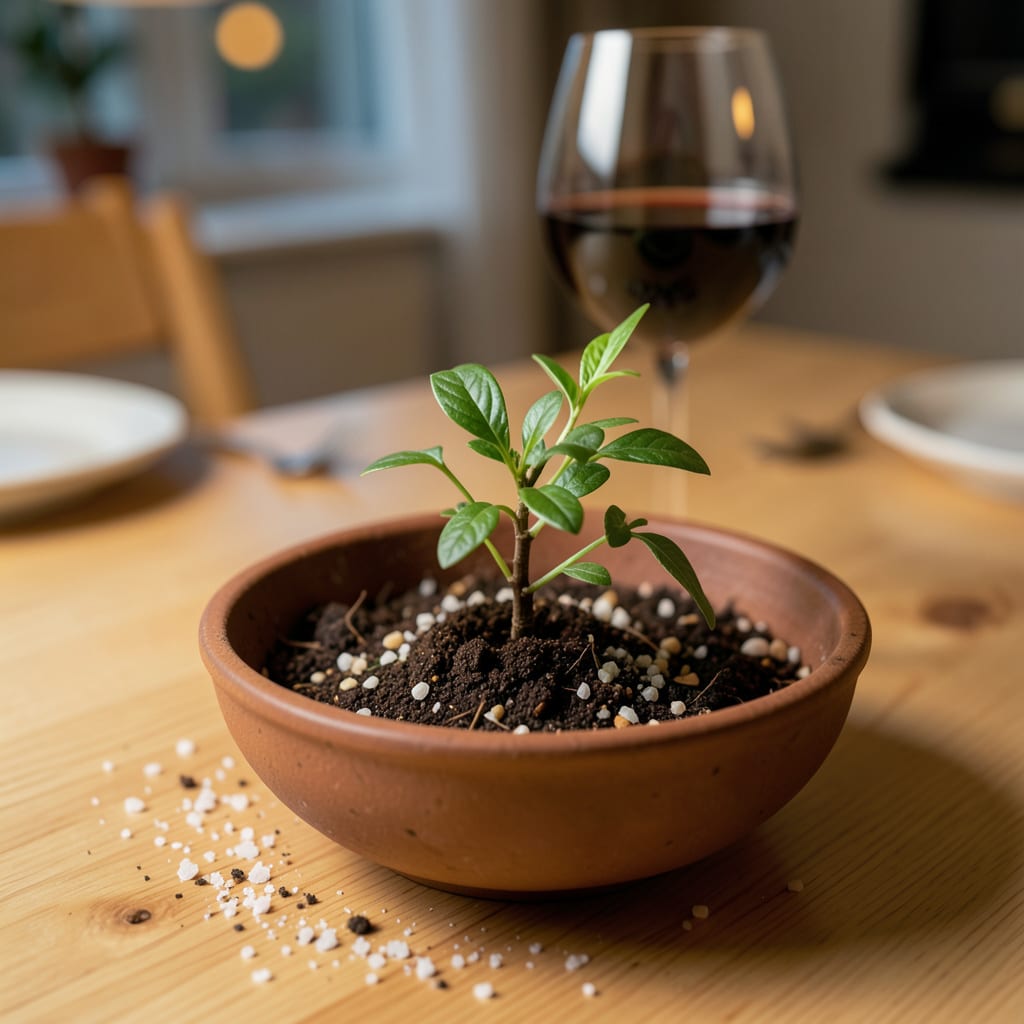
Fertilizing your Tree 🌳 at the right time is crucial for its health and longevity. In USDA Zone 6, timing is everything – fertilizing during the wrong season can be ineffective or even harmful.
I’ll guide you through the best times to fertilize your Tree, considering factors like climate and soil type. Let’s explore how to give your Tree the nutrients it needs to thrive.

Fertilizing trees at the right time is crucial for their health and development. The best time to fertilize depends on the tree’s growth cycle and the climate in your area 🌳.
In general, trees benefit from fertilization during their active growing seasons. For most trees, this means fertilizing in early spring or late fall. These periods allow the tree to absorb nutrients when they’re most needed for growth or preparation for the next growing season.
The early spring is often considered the best time to fertilize trees as it supports new growth and helps repair any damage from winter. Fertilizing in late fall can help trees store nutrients for the next growing season and support root development during the winter.
Fertilizing during the dormant season can be less effective for most trees, as they’re not actively growing. However, some tree species may benefit from dormant season fertilization.
It’s essential to consider the specific needs of your tree species and the climate in your area when deciding when to fertilize. Some trees may require more frequent fertilization, while others may need it less often 🌟.
Soil conditions also play a significant role in determining the best time to fertilize. Testing your soil can help you understand its nutrient content and pH level, allowing you to choose the right fertilizer type and application rate.
By understanding the growth cycle of your trees and the local climate conditions, you can make informed decisions about when to fertilize for optimal results 🌱.
Regular soil testing and monitoring your trees’ health can also help you adjust your fertilization schedule as needed. This proactive approach ensures your trees receive the nutrients they need to thrive.
For more specific guidance, consider consulting with a local arborist or gardening expert who can provide tailored advice based on your region and tree species 🌳.
Fertilizing trees is just one aspect of their overall care. Combining fertilization with proper watering, pruning, and pest management will help ensure your trees remain healthy and robust.
Determining when your trees need fertilization is crucial for their health and development. I’ll guide you through the signs of nutrient deficiency, soil testing methods, and visual inspection techniques to help you make informed decisions 🌳.
Trees often show visible signs when they require fertilization. Look for yellowing leaves, slow growth, or weak branches. These symptoms can indicate a lack of essential nutrients in the soil.
Over-fertilization can be harmful to trees. Be cautious not to overdo it, as this can cause more harm than good.
Soil testing is another effective way to determine if your trees need fertilization. By analyzing your soil’s nutrient content and pH level, you can identify any deficiencies and choose the right fertilizer type and application rate.
Visual inspections can also help you identify potential issues. Check your trees regularly for signs of stress, disease, or pest infestations, which can be exacerbated by nutrient deficiencies.
By combining these methods, you can make informed decisions about when to fertilize your trees and ensure they receive the nutrients they need to thrive 🌟.
Regular monitoring and maintenance are key to keeping your trees healthy. By staying on top of their needs, you can prevent problems and promote optimal growth 🌱.
For more specific guidance, consider consulting with a local arborist or gardening expert who can provide tailored advice based on your region and tree species 🌳.
Fertilizing trees is just one aspect of their overall care. Combining fertilization with proper watering, pruning, and pest management will help ensure your trees remain healthy and robust.
Proper tree fertilization requires careful consideration of several factors to avoid common mistakes. I’ll outline the best practices to ensure your trees receive the nutrients they need while minimizing risks 🌳.
Select a balanced fertilizer with an NPK ratio suitable for trees (e.g., 10-10-10). Avoid fertilizers with high nitrogen content, as they can promote weak growth.
Follow the recommended application rate and timing. Typically, fertilize trees in early spring or late fall when they’re most receptive to nutrients.
Be cautious not to over-fertilize, as this can cause more harm than good. Monitor your trees’ response to fertilization and adjust your schedule accordingly.
By following these best practices, you can ensure your trees receive the necessary nutrients for optimal growth while minimizing the risk of common mistakes 🌟.
Regular monitoring and maintenance are crucial for keeping your trees healthy. Stay on top of their needs, and adjust your fertilization schedule as necessary to promote optimal growth 🌱.
For more specific guidance, consider consulting with a local arborist or gardening expert who can provide tailored advice based on your region and tree species 🌳.
The frequency of fertilization depends on the tree’s age, species, and soil conditions. Generally, trees need fertilization every 2-4 years, but some may require more frequent fertilization. Consult with a local arborist for specific guidance.
Fertilizing trees during the summer is not typically recommended, as it can promote weak growth that may be damaged by heat stress. Instead, focus on fertilizing during early spring or late fall when trees are more receptive to nutrients.
A balanced fertilizer with an NPK ratio of 10-10-10 is generally suitable for most trees. However, the specific fertilizer needs may vary depending on the tree species and soil conditions. Consider getting a soil test to determine the best fertilizer for your trees.
It’s generally recommended to wait 1-2 years after planting before fertilizing newly planted trees. This allows the trees to establish themselves in the soil. After that, you can start fertilizing according to the tree’s needs.
