
Beautiful Plants For Your Interior
Beautiful Plants For Your Interior
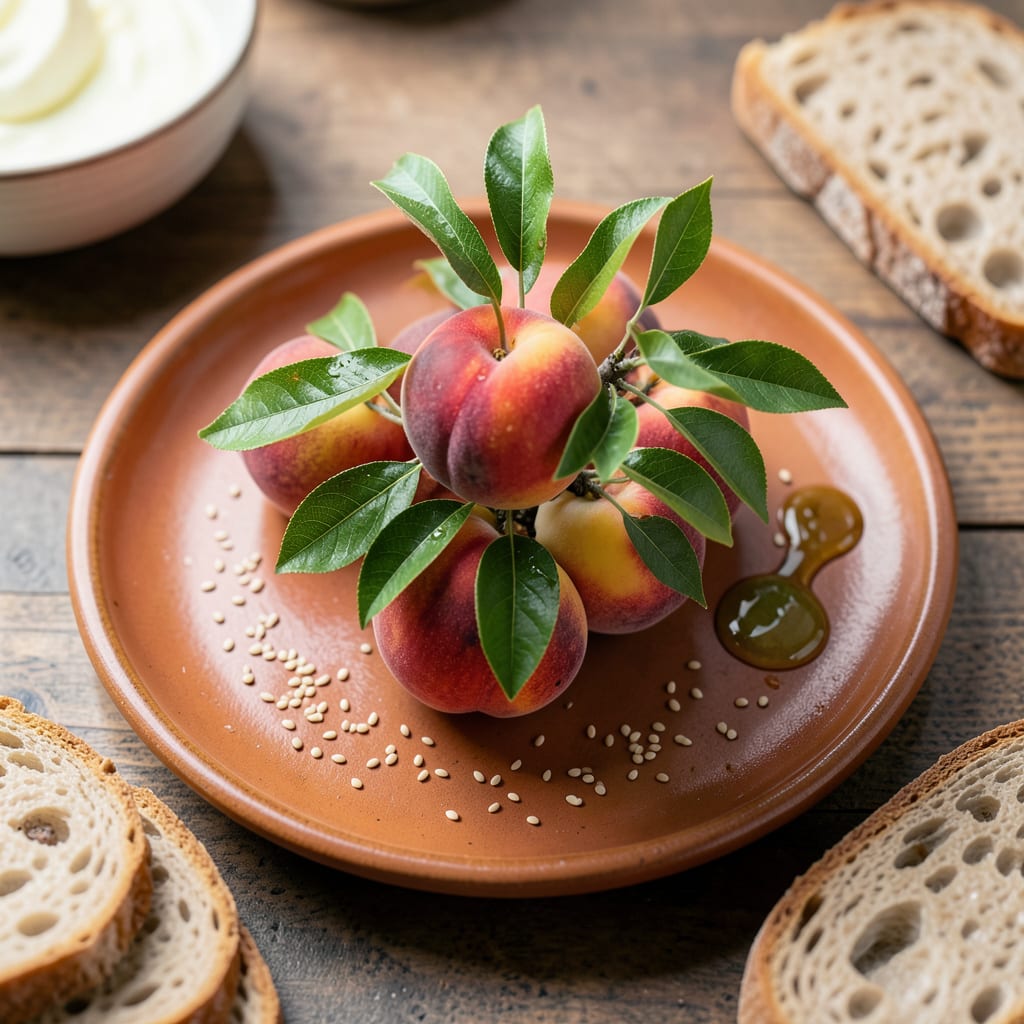
Fertilizing your Peach Tree 🍑 in Texas at the right time is crucial for a bountiful harvest. As a gardener in Texas, understanding the optimal fertilization schedule can make all the difference in your tree’s health and productivity.
In Texas’s climate, particularly in zone 8b, timing is everything. Let’s explore the best practices for fertilizing your Peach Tree to ensure a healthy and fruitful yield.

Fertilizing peach trees in Texas requires understanding the ideal timing based on the state’s climate and the tree’s growth cycle. In Texas, particularly in USDA zone 8b, the best time to fertilize peach trees is in late winter to early spring.
The optimal fertilization period is typically around February or March, just before the tree starts its active growth phase. This timing supports healthy development and fruit production throughout the growing season 🌟.
For peach trees in Texas, a balanced fertilizer with an NPK ratio of 10-10-10 is generally recommended. The amount to apply depends on the tree’s age and size, typically starting with 1 pound per 100 square feet of tree canopy.
Fertilization should be done in the early morning when the soil is moist, allowing the nutrients to be absorbed throughout the day.
For young trees (less than 3 years old), it’s essential to follow a more frequent fertilization schedule, typically every 4-6 weeks during the growing season.
Soil testing can help determine if your peach tree needs additional nutrients beyond a balanced fertilizer. Based on the soil test results, you may need to adjust your fertilization strategy to address specific deficiencies.
It’s also crucial to avoid over-fertilization, as this can lead to excessive vegetative growth at the expense of fruit production. Monitoring your tree’s response to fertilization and adjusting as needed is key to maintaining a healthy balance.
Additionally, consider the specific needs of your peach tree variety. Some dwarf or semi-dwarf varieties may have different fertilization requirements compared to standard-sized trees.
By fertilizing your peach tree at the right time and with the appropriate nutrients, you can promote healthy growth, improve fruit quality, and enjoy a bountiful harvest.
Regular maintenance, including pruning and pest management, should be integrated with your fertilization schedule to ensure overall tree health and productivity.
For more specific guidance tailored to your location within Texas, consulting with local gardening experts or your county extension office can provide valuable insights into regional best practices.
By understanding and implementing these fertilization tips, you can maximize the potential of your peach trees and enjoy the fruits of your labor for years to come 🍑.
Fertilizing peach trees in Texas requires understanding the specific needs of different regions. The state’s diverse climate and soil conditions mean that a one-size-fits-all approach won’t work 🌟.
In Texas, the soil type varies significantly across regions. For example, the eastern regions have more acidic soils, while the western regions have more alkaline soils. This affects the nutrient availability for peach trees.
By understanding these regional differences and adjusting your fertilization strategy accordingly, you can optimize the health and productivity of your peach trees across Texas.
For more specific guidance tailored to your location within Texas, consulting with local gardening experts or your county extension office can provide valuable insights into regional best practices 🌿.
Additionally, consider the specific needs of your peach tree variety. Some dwarf or semi-dwarf varieties may have different fertilization requirements compared to standard-sized trees.
By combining regional fertilization tips with variety-specific needs, you can create a comprehensive fertilization plan that maximizes the potential of your peach trees in Texas.
Regular maintenance, including pruning and pest management, should be integrated with your fertilization schedule to ensure overall tree health and productivity.
Implementing these fertilization tips can help you enjoy a bountiful harvest of delicious peaches from your Texas orchard 🍑.
Fertilizing peach trees in Texas can be challenging, especially when it comes to avoiding common mistakes that can harm your trees. Understanding these pitfalls is crucial for maintaining healthy and productive peach trees 🌟.
One of the most significant errors is over-fertilization. Applying too much fertilizer can lead to excessive vegetative growth, reducing fruit production and potentially damaging the tree. It’s essential to follow the recommended fertilization rates and adjust based on soil test results.
Too much fertilizer can damage your peach trees. Always follow recommended application rates and monitor your tree’s response.
Another common mistake is under-fertilization. Failing to provide adequate nutrients can result in poor growth and reduced fruit quality. Regular soil testing can help determine if your fertilization strategy needs adjustment.
Timing errors are also a frequent issue. Fertilizing at the wrong time can be ineffective or even harmful. For peach trees in Texas, the optimal fertilization period is typically in late winter to early spring, around February or March.
To avoid these mistakes, it’s crucial to monitor your tree’s response to fertilization and adjust your strategy as needed. Regular maintenance, including pruning and pest management, should also be integrated with your fertilization schedule.
By being aware of these common fertilization mistakes and taking steps to avoid them, you can promote healthy growth, improve fruit quality, and enjoy a bountiful harvest from your Texas peach trees 🍑.
The best time to fertilize peach trees in Texas is in late winter to early spring, typically around February or March, just before the tree starts its active growth phase. This timing supports healthy development and fruit production throughout the growing season. Fertilizing at this time helps promote a bountiful harvest.
For young peach trees (less than 3 years old), fertilize every 4-6 weeks during the growing season. For mature trees, a balanced fertilizer applied in late winter to early spring is usually sufficient. Adjust the frequency based on soil test results and the tree’s response to fertilization. Regular monitoring helps maintain optimal tree health.
A balanced fertilizer with an NPK ratio of 10-10-10 is generally recommended for peach trees in Texas. The amount to apply depends on the tree’s age and size, typically starting with 1 pound per 100 square feet of tree canopy. Soil testing can help determine if additional nutrients are needed.
For peach trees in Texas, it’s recommended to apply a light feeding in April and May to maintain growth. Avoid fertilizing during the hottest summer months as it can cause stress to the tree. Instead, focus on maintaining consistent moisture and monitoring for pests and diseases.
