
Beautiful Plants For Your Interior
Beautiful Plants For Your Interior
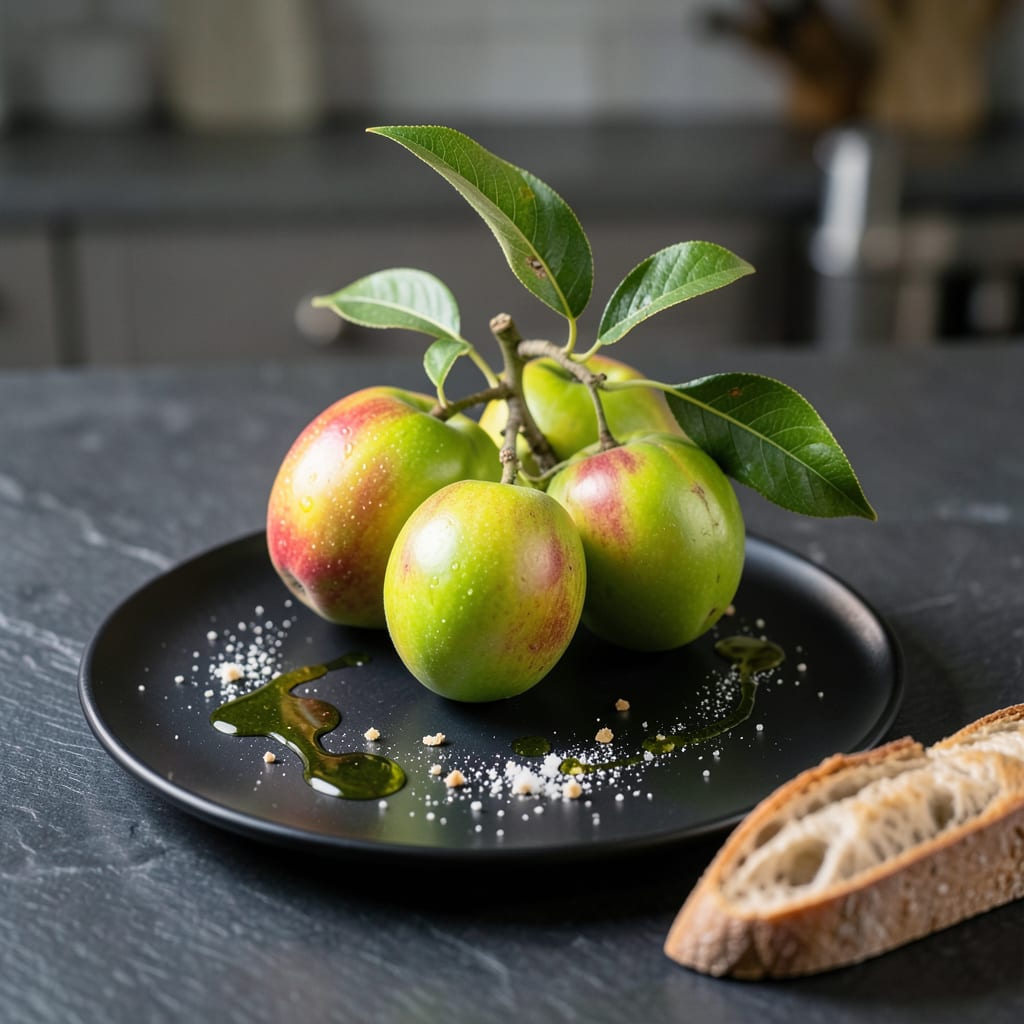
Fertilizing your Fruit Tree 🍎 at the right time is crucial for its growth and fruit production. In USDA Zone 6, the best time to fertilize is typically in early spring or late winter.
Understanding the optimal fertilization schedule helps ensure healthy tree development. I’ll guide you through the best practices for fertilizing your Fruit Tree, so you can enjoy a bountiful harvest.

Fertilizing fruit trees at the right time is crucial for their growth and fruit production. In USDA Zone 6, the best time to fertilize fruit trees is typically in early spring or late winter, just before the growing season begins. This allows the tree to absorb the necessary nutrients as it starts to produce new growth 🌟.
Understanding the optimal fertilization schedule helps ensure healthy tree development. The specific timing may vary depending on factors such as the type of fruit tree, soil conditions, and climate. Generally, fruit trees benefit from fertilization during their active growing periods 🌱.
The fertilization schedule should be adjusted based on the tree’s response to previous fertilizations. It’s essential to monitor the tree’s health and adjust the fertilization plan accordingly 📊.
Soil testing is a critical step in determining the right fertilizer for your fruit trees. By understanding your soil’s nutrient content, you can choose a fertilizer that meets the specific needs of your trees 🌱.
Fertilizing fruit trees is not a one-size-fits-all process. Different types of fruit trees have varying nutrient requirements, and the fertilizer type should be selected based on these needs. For example, apple trees may require different nutrients compared to citrus trees 🍊.
The NPK ratio (Nitrogen, Phosphorus, Potassium) is a key factor in selecting the right fertilizer. A balanced fertilizer with an NPK ratio of 10-10-10 is often recommended for fruit trees, but this can vary depending on soil test results and the specific needs of the tree 📈.
In addition to the type of fertilizer, the application method is also important. Fertilizer should be applied evenly around the drip line of the tree, avoiding direct contact with the trunk. This ensures that the roots receive the nutrients effectively 🌿.
Timing is critical when fertilizing fruit trees. Applying fertilizer at the wrong time can lead to reduced fruit production or even damage to the tree. It’s generally recommended to fertilize in the early morning when the soil is moist 🌞.
By following a seasonal fertilization guide and adjusting based on the specific needs of your fruit trees, you can promote healthy growth and maximize fruit production. Regular monitoring and adjustments to your fertilization schedule will help ensure the best results for your trees 📅.
For more detailed information on fertilizing specific types of fruit trees, consider consulting local gardening resources or extension services. They can provide guidance tailored to your region and tree varieties 🌟.
Fertilizing fruit trees is a crucial aspect of their care, and doing it at the right time can make a significant difference in their health and productivity. By understanding the best times to fertilize and following a tailored fertilization plan, you can enjoy a bountiful harvest from your fruit trees 🍎.
When determining the best time to fertilize fruit trees, several factors come into play. Understanding these elements helps you create an effective fertilization schedule that promotes healthy tree development 🌳.
Soil type is a crucial factor in determining fertilization timing. Different soils have varying nutrient content and drainage capabilities. For instance, sandy soils may require more frequent fertilization due to their poor nutrient retention, while clay soils might need less frequent applications because they retain nutrients longer 🌿.
Soil testing can reveal nutrient deficiencies, helping you choose the right fertilizer for your fruit trees.
The age of the tree also influences fertilization timing. Younger trees typically require more frequent fertilization to support their rapid growth, while mature trees may need less frequent applications 🌱.
Climate considerations are another critical factor. In areas with harsh winters, fertilizing in early spring helps trees recover from winter stress. In regions with mild winters, late winter or early spring fertilization is still beneficial, but the exact timing may vary based on local conditions ❄️.
By considering these factors and adjusting your fertilization schedule accordingly, you can optimize the health and productivity of your fruit trees. Regular monitoring and adjustments will help ensure the best results 📊.
Tree variety is another important consideration. Different fruit tree varieties have unique nutrient requirements. For example, apple trees and citrus trees have different fertilization needs, so it’s essential to understand the specific requirements of your trees 🍊.
Soil pH affects nutrient availability and should be considered when planning fertilization. Most fruit trees prefer a slightly acidic to neutral soil pH, between 6.0 and 7.0. Adjusting your fertilizer choice based on soil pH can improve nutrient uptake 🌿.
In conclusion, the best time to fertilize fruit trees depends on a combination of factors including soil type, tree age, and climate. By understanding and addressing these factors, you can create a tailored fertilization plan that supports the health and productivity of your fruit trees 📅.
Fertilizing fruit trees requires careful consideration to avoid common mistakes that can harm the trees. One of the most critical errors is over-fertilization, which can cause damage to the tree’s roots and reduce fruit production 🌳.
Over-fertilization can lead to excessive vegetative growth, reducing fruit production and potentially causing tree damage.
Another common mistake is fertilizing at the wrong time. Fruit trees have specific nutrient needs during different growth stages, and fertilizing outside these times can be ineffective or even harmful. For example, fertilizing during the hottest summer months can cause stress to the tree ☀️.
Choosing the right fertilizer is also crucial. Fruit trees have different nutrient requirements compared to other plants, and using a balanced fertilizer with the right NPK ratio is essential. A soil test can help determine the specific nutrient needs of your trees 📊.
Proper application techniques are vital to ensure that the fertilizer is effectively absorbed by the tree. This includes applying fertilizer evenly around the drip line and avoiding direct contact with the trunk 🌿.
By avoiding these common mistakes and following best practices for fertilizing fruit trees, you can promote healthy growth and maximize fruit production. Regular monitoring and adjustments to your fertilization schedule will help ensure the best results for your trees 📅.
Fertilizing fruit trees is a critical aspect of their care, and being aware of potential pitfalls can help you make informed decisions. By understanding the best practices and avoiding common mistakes, you can enjoy a bountiful harvest from your fruit trees 🍎.
In USDA Zone 6, the best time is typically in early spring or late winter. For warmer climates, late winter is preferred, while in colder regions, wait until the soil can be worked in early spring.
Fertilize every 4-6 weeks during the growing season, using a balanced fertilizer (10-10-10 NPK). Adjust frequency based on soil test results and tree response.
Avoid fertilizing during the hottest summer months as it can cause stress. Instead, consider a light feeding in late spring and again in early fall to build winter reserves.
Look for signs like slow growth, yellowing leaves, or reduced fruit production. A soil test can also reveal nutrient deficiencies, helping you choose the right fertilizer.
