
Beautiful Plants For Your Interior
Beautiful Plants For Your Interior
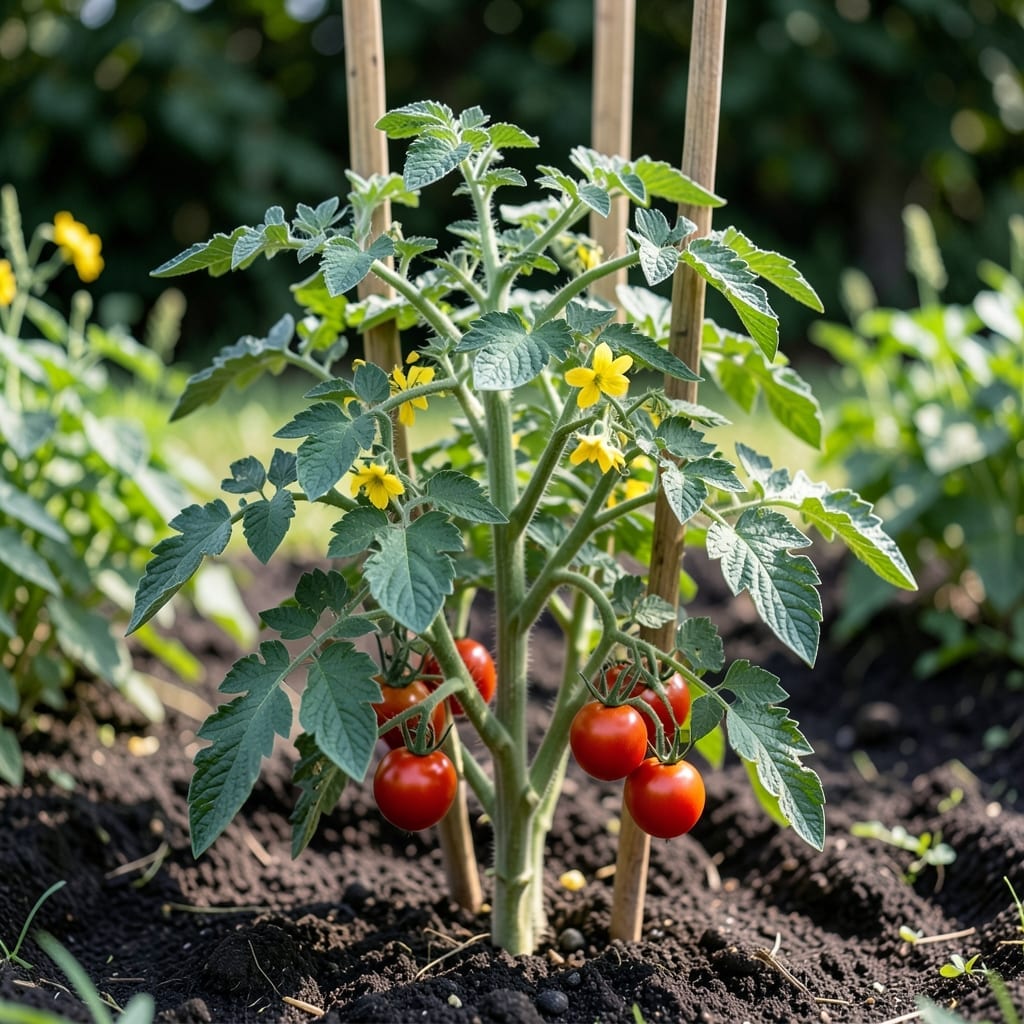
Yellow leaves, brown spots, or wilting stems—your tomato plant is trying to tell you something. I’ve spent seasons diagnosing these exact issues in my own garden, and the solutions are simpler than you’d think.
The key is learning to read the signs: curled leaves often mean water stress, purple stems signal phosphorus deficiency, and tiny holes reveal hungry pests. Most problems fix themselves with small adjustments to care or environment.
You’ll go from frustrated gardener to confident plant doctor in one afternoon. The visual guide makes it easy to match symptoms to solutions without guessing.
Works for container plants, backyard gardens, and every variety from cherry to beefsteak. Let’s get those tomatoes thriving again.
Understanding why your tomato plant is struggling starts with identifying the root causes. Here are the most common culprits behind unhealthy tomato plants:
Tomatoes need consistent moisture, but overwatering leads to root rot, yellowing leaves, and wilting. Poor drainage exacerbates this by trapping water around the roots, suffocating them. Fusarium and Phytophthora fungi thrive in soggy soil, causing vascular diseases.
Tomatoes require 6–8 hours of direct sunlight daily. Too little light results in leggy, weak plants with poor fruit production. Conversely, sunscald (white or blistered patches on fruit) occurs when tomatoes are exposed to intense, direct sunlight without adequate foliage protection.
Aphids, whiteflies, and hornworms sap nutrients from leaves and stems, while nematodes attack roots. These pests weaken the plant, making it susceptible to viral infections like Tomato Yellow Leaf Curl Virus (TYLCV). Look for curled leaves, sticky residue (honeydew), or visible insects.
Humid conditions encourage early blight (brown spots with concentric rings) and late blight (greasy, dark patches). Bacterial spot (Xanthomonas) causes small, water-soaked lesions. These pathogens spread via splashing water, so avoid overhead watering and prune for airflow.
Yellowing between leaf veins? Likely magnesium deficiency. Purple stems or leaf undersides indicate phosphorus shortage. Nitrogen deficiency causes uniform yellowing of older leaves. Test soil and amend with compost or targeted fertilizers (e.g., Epsom salt for magnesium).
Here’s your action plan for common tomato plant problems, with easy fixes to get your garden thriving again.
If lower leaves turn yellow, your plant may lack nitrogen. Work compost or a balanced fertilizer into the soil. For upper leaf yellowing (magnesium deficiency), sprinkle 1 tbsp of Epsom salt around the base and water deeply. Prevention tip: Test soil annually and amend before planting.
Underwatered plants wilt in heat; overwatered ones wilt with soggy soil. Check soil moisture 1–2 inches down—water only if dry. For drainage issues, add mulch to retain moisture without waterlogging. Prevention tip: Use drip irrigation for consistent moisture.
Aphids or hornworms? Blast them off with water or apply neem oil spray (1 tbsp oil + 1 tsp soap per quart of water). For severe infestations, handpick pests or introduce ladybugs. Prevention tip: Rotate crops yearly and remove plant debris to deter pests.
Dark spots or white powder? Remove affected leaves and apply copper fungicide or a baking soda spray (1 tsp baking soda + 1 quart water + a drop of soap). Prevention tip: Space plants 2–3 feet apart for airflow and water at the base to keep foliage dry.
Tall, weak stems? Move seedlings to a sunnier spot or use grow lights 12–16 hours daily. Prevention tip: Start seeds in bright light and avoid overcrowding.
This often signals a nutrient deficiency—lower leaves point to nitrogen, while upper leaves suggest magnesium. Try adding compost or 1 tbsp Epsom salt for magnesium.
Check soil 1–2 inches down—if it’s soggy, you’re overdoing it. Wilting with wet soil is a red flag. Use drip irrigation for better control.
This is likely sunscald from too much direct sunlight. Provide shade cloth or ensure healthy foliage covers the fruit. Proper spacing helps too.
Yes! Remove affected leaves immediately and apply copper fungicide. Improve airflow by pruning and avoid overhead watering.