
Beautiful Plants For Your Interior
Beautiful Plants For Your Interior
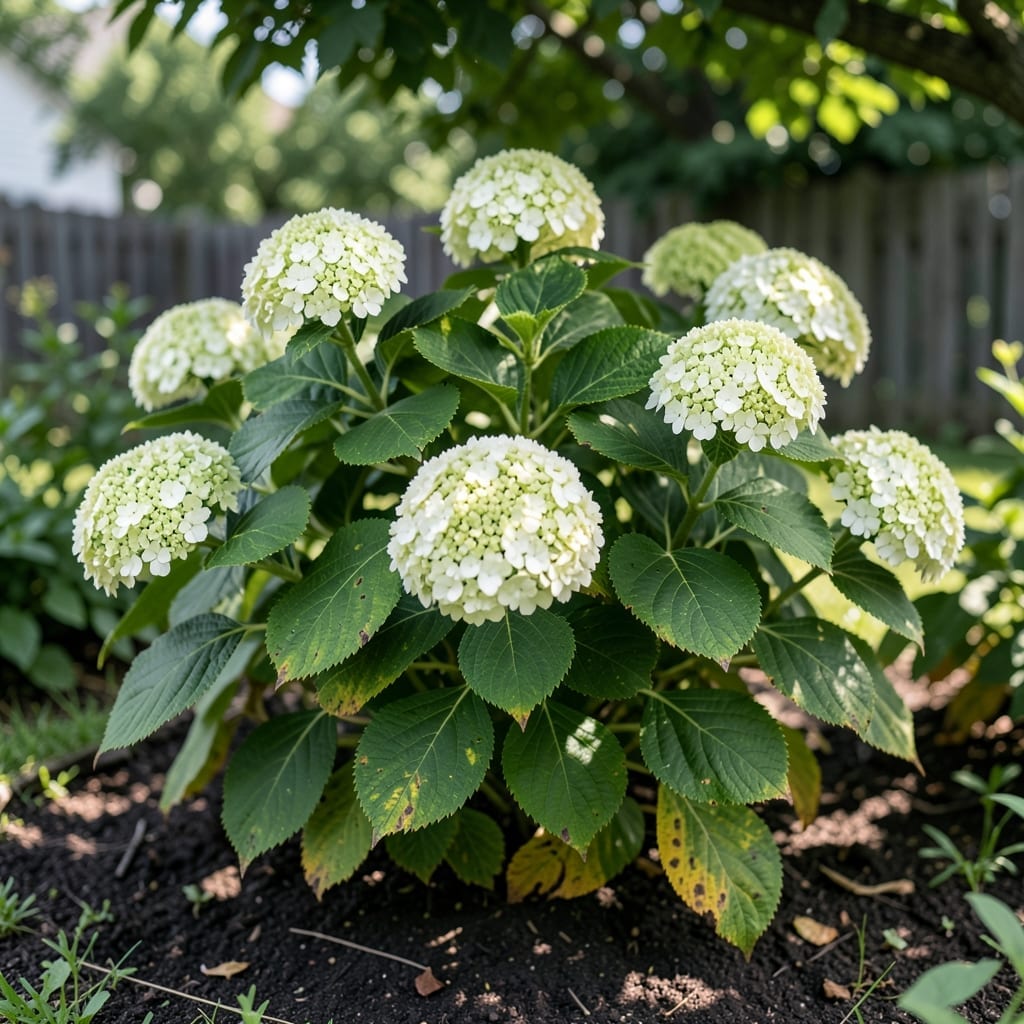
Your hydrangea’s sad leaves and missing blooms aren’t a death sentence. I’ve nursed dozens back from the brink with simple fixes that target the real culprits.
Yellowing often signals overwatering or poor drainage, while brown spots usually mean fungal issues. No flowers? That’s typically wrong pruning timing or insufficient light. Each problem has a clear solution.
Within 2-3 weeks of the right treatment, you’ll see new growth and color returning. The key is matching symptoms to causes—not just guessing.
Works for bigleaf, panicle, and oakleaf varieties alike. Let’s diagnose and fix it.
Understanding why your hydrangea is struggling starts with identifying the root causes. Here’s a breakdown of the most common issues and the science behind them:
Hydrangeas are heavy feeders, and nitrogen, phosphorus, or iron deficiencies can lead to yellowing leaves (chlorosis) or stunted growth. Nitrogen supports leafy growth, while phosphorus promotes blooming. Iron deficiency, often due to alkaline soil (pH > 7), prevents chlorophyll production, causing leaves to turn yellow with green veins. A soil test will confirm imbalances—amend with compost or a balanced fertilizer (10-10-10) to restore health.
Both overwatering and underwatering stress hydrangeas. Overwatering suffocates roots, leading to root rot and wilting, while drought causes leaf scorch (brown, crispy edges). Hydrangeas thrive in consistently moist, well-draining soil. Use a moisture meter to check soil at 2–3 inches deep—water when the top inch feels dry. Mulching helps retain moisture without waterlogging.
Too much direct sunlight (especially afternoon heat) can scorch leaves, while insufficient light reduces blooming. Most hydrangeas prefer partial shade (4–6 hours of morning sun). Extreme temperatures or sudden frost can also damage buds, preventing flowers. If your plant is in a hot spot, provide shade cloth or relocate it to a cooler area.
Common pests like aphids, spider mites, or Japanese beetles sap nutrients, weakening the plant. Fungal diseases such as powdery mildew or leaf spot thrive in humid conditions, causing discoloration or spots. Treat pests with neem oil or insecticidal soap, and improve airflow to prevent fungal growth. Remove affected leaves promptly to stop spread.
Don’t panic if your hydrangea looks under the weather. With a few targeted fixes, you can nurse it back to health and restore those gorgeous blooms. Here’s how to tackle the most common issues:
Fix: Test your soil’s pH. Hydrangeas thrive in slightly acidic soil (pH 5.5–6.5). If it’s too alkaline, amend with sulfur or aluminum sulfate. For iron deficiency (common in alkaline soil), apply a chelated iron supplement or use an acid-loving plant fertilizer. Water deeply after applying.
Prevention: 💡 Feed with a balanced, slow-release fertilizer in early spring and mulch with pine needles or compost to maintain acidity.
Fix: Check the soil 1–2 inches down. If bone-dry, water slowly and deeply (1–2 inches per week). If soggy, improve drainage by mixing in perlite or organic matter. Trim blackened stems to healthy growth to redirect energy.
Prevention: ✨ Water at the base in the morning to avoid fungal issues, and ensure pots have drainage holes.
Fix: If you pruned last year’s wood (where buds form), switch to pruning right after blooming. For shade issues, move the plant to a spot with morning sun and afternoon shade. Old wood varieties (like mopheads) need minimal pruning; new wood (like panicle hydrangeas) can handle heavier cuts in late winter.
Prevention: 🎯 Identify your hydrangea type and prune accordingly. Mark your calendar for annual pruning reminders!
Fix: Remove infected leaves and stems immediately. Apply a copper fungicide or neem oil spray, covering both sides of leaves. Increase airflow by spacing plants 3–4 feet apart.
Prevention: 🌡️ Avoid overhead watering and clean up fallen debris to reduce spores. Thin out dense growth in early spring.
Yellow leaves often signal iron deficiency, common in alkaline soil. Test your soil pH—hydrangeas prefer 5.5-6.5. Amend with sulfur or use chelated iron to restore green color.
Brown spots usually indicate fungal disease. Remove affected leaves, then apply copper fungicide or neem oil. Improve airflow by spacing plants 3-4 feet apart.
No flowers typically mean wrong pruning timing or insufficient light. Most varieties need 4-6 hours of morning sun. Prune right after blooming to avoid cutting off next year’s buds.
Yes, soggy soil suffocates roots and causes rot. Check moisture 1-2 inches deep—water only when the top inch feels dry. Morning watering helps prevent fungal issues.