
Beautiful Plants For Your Interior
Beautiful Plants For Your Interior
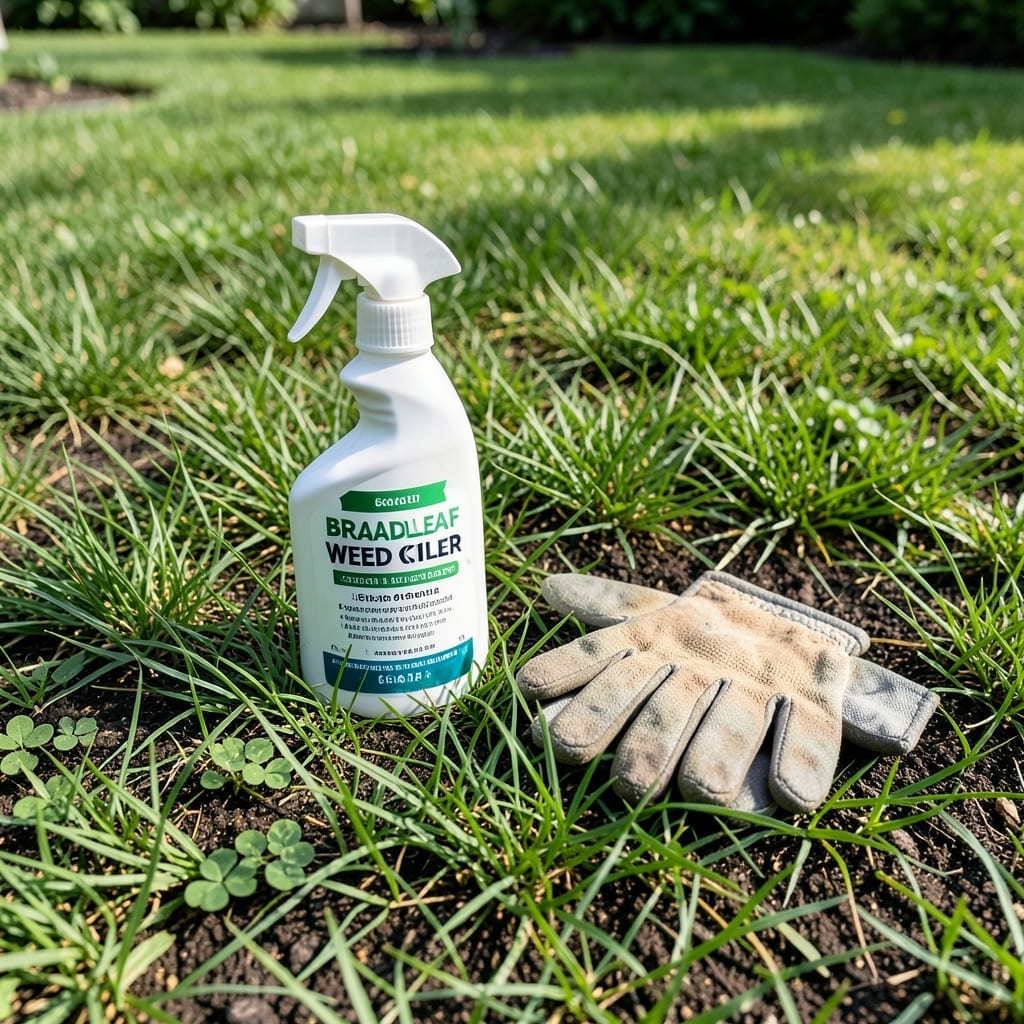
Clover spreading through your lawn is frustrating when you want to keep the grass. 🌱 I’ve tested methods that remove clover without harming surrounding plants, and the right approach depends on your garden’s needs.
The solution isn’t always chemicals—sometimes a simple vinegar mix or manual removal works best. For larger areas, selective herbicides target clover while leaving grass and flowers untouched. It’s about precision, not brute force.
You’ll see results within 7-14 days with the right treatment, and your lawn or garden beds will look cleaner without the patchy bare spots. The key is timing—treat when clover is actively growing but before it seeds.
Works for lawns, flower beds, and vegetable patches alike. Here’s how to reclaim your space without collateral damage.
Clover often thrives where other plants struggle, but its persistence can be frustrating. Understanding why it overruns lawns and gardens while other plants survive helps you tackle it effectively. Here are the key causes:
Clover is a nitrogen-fixing legume, meaning it enriches the soil with nitrogen, giving it a growth advantage over non-leguminous plants. Its deep root system and low-growing, spreading habit allow it to outcompete grasses and other plants for sunlight, water, and nutrients. This aggressive growth often crowds out less hardy species.
Clover flourishes in low-nitrogen soils, a condition that many ornamental plants and grasses cannot tolerate. If your soil lacks nitrogen or is compacted, clover will dominate because it creates its own fertilizer through a symbiotic relationship with soil bacteria (Rhizobium). Other plants, deprived of adequate nitrogen, weaken and die back.
Broadleaf plants like clover are naturally resistant to herbicides that target only grasses (e.g., grass-selective herbicides). Conversely, many general herbicides harm both clover and desirable plants. This is why selective herbicides (like 2,4-D or dicamba) are formulated to kill clover and other broadleaf weeds without damaging grass or non-target plants.
Dealing with clover without harming your other plants requires a selective approach. Here’s how to tackle it effectively:
Opt for broadleaf-selective herbicides like 2,4-D, dicamba, or triclopyr. These target clover while sparing grasses and most other plants. Apply in early spring or fall when clover is actively growing. Always follow label instructions for dilution and application rates to avoid damage to desirable plants.
For small patches, hand-pulling or digging out clover (roots and all) works well. Use a weeding tool to ensure you remove the entire root system, as clover can regrow from leftover roots. This method is labor-intensive but chemical-free and precise.
Try a vinegar solution (1 gallon of white vinegar + 1 cup of dish soap + 1 cup of salt). Spray directly onto clover leaves on a sunny day. Reapply as needed, but test on a small area first to ensure it doesn’t harm nearby plants. Corn gluten meal can also act as a natural pre-emergent to prevent clover seeds from sprouting.
Combine these methods for the best results, and always monitor your plants for signs of stress after treatment.
Most selective herbicides show results within 7-14 days when applied properly. Visible wilting or yellowing of clover leaves is typically the first sign, with complete die-off following soon after.
Vinegar is non-selective and can harm desirable plants if overspray occurs. Always apply carefully on calm days, using a shield to protect surrounding vegetation. Test on a small area first.
For extensive infestations, hand-pulling is impractical. It works best for small patches where you can remove roots completely. For larger spaces, combine methods like herbicides and overseeding.
Yes, corn gluten meal acts as a natural pre-emergent. Apply in early spring before clover seeds germinate. It won’t harm existing grass but avoids new weeds from sprouting.