
Beautiful Plants For Your Interior
Beautiful Plants For Your Interior
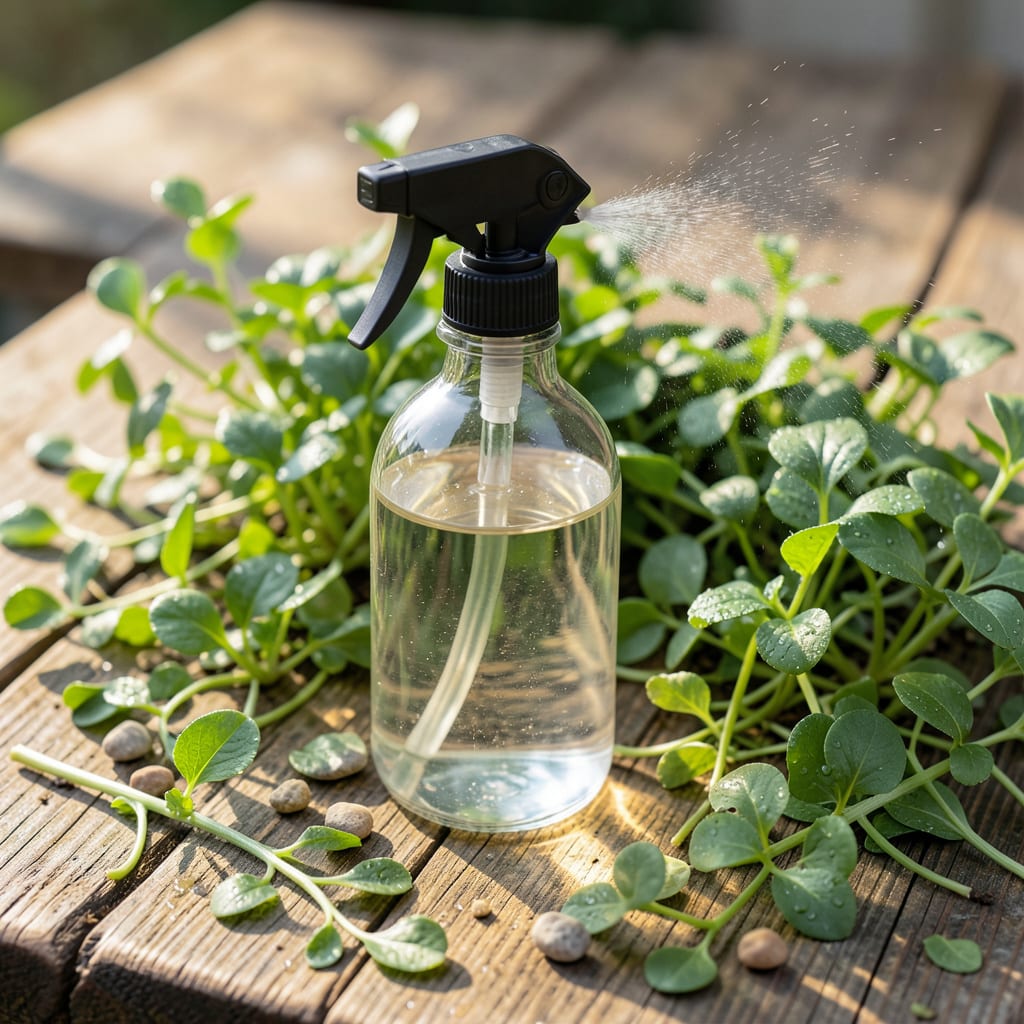
I stumbled onto vinegar as a weed killer after one too many battles with dandelions. It’s surprisingly effective—especially on young weeds in driveways and walkways.
This natural approach works fast, often showing results within 24 hours. Just be mindful of nearby plants, as vinegar doesn’t discriminate between weeds and your prized petunias.
📚 In This Guide
This method is effective, eco-friendly, and works in most garden conditions.
Use household distilled white vinegar with 5% acetic acid concentration for standard weeds. For tougher, perennial varieties, opt for horticultural vinegar (typically 20-30% acetic acid). I’ve found early morning application on a sunny day yields the best results, as the sun amplifies the vinegar’s desiccating effect.
Check the weather forecast first—rain within 24 hours will dilute the solution and reduce its effectiveness. Also, avoid windy days to prevent drift onto desirable plants. The ideal temperature range is 60-85°F, as cooler temps slow the vinegar’s action.
For most annual weeds, undiluted 5% distilled white vinegar works well. For a stronger mix, combine 1 gallon of vinegar with 1 cup of table salt and 1 tablespoon of liquid dish soap. The salt enhances the herbicidal effect, while the soap helps the solution cling to the weed leaves.
Mix thoroughly in a spray bottle or tank sprayer. If using higher-concentration horticultural vinegar, wear gloves and eye protection, as it can cause skin irritation. Always label your spray container clearly to avoid accidental use on garden plants.
Spray the solution directly onto the leaves of the weeds, ensuring full coverage. Focus on the foliage rather than the soil, as vinegar’s acidity can alter soil pH if overused. I use a spray bottle with an adjustable nozzle to target weeds growing in cracks or between pavers.
For best results, apply until the leaves are thoroughly wet but not dripping. Avoid spraying desirable plants, as vinegar is non-selective and will damage any vegetation it contacts. Reapply every 3-5 days for stubborn weeds until they wither completely.
You’ll typically see wilting within 24-48 hours of application. Larger or deep-rooted weeds may require 2-3 treatments for complete eradication. I’ve found that young, tender weeds respond fastest, while mature weeds with extensive root systems need repeated applications.
Keep an eye on treated areas for regrowth. Vinegar kills the top growth but may not eliminate roots entirely, especially for perennials. For these, combine vinegar treatments with manual removal of any regrowth to fully deplete the plant’s energy reserves.
While vinegar is natural, it’s not without risks. Avoid using it near soil where you plan to grow vegetables or flowers within 2-3 weeks, as residual acidity can hinder new plantings. I recommend spot-testing on a small area first to gauge your soil’s sensitivity.
For driveways or walkways, vinegar is a safe and effective option with no lingering environmental impact. Always store leftover solution in a clearly labeled container, away from children and pets, as concentrated vinegar can be harmful if ingested.
These practical insights will help you maximize effectiveness while avoiding common pitfalls.
Timing Secret: That 24-hour window before rain is non-negotiable. If precipitation is forecast within a day, postpone application—diluted vinegar loses its herbicidal potency. I learned this after watching a downpour wash away my first three attempts.
Temperature Matters: The 60-85°F sweet spot exists for a reason. Above 85°F, vinegar can evaporate too quickly, reducing contact time with leaves. Below 60°F, the acetic acid works sluggishly. A sunny 75°F morning is your goldilocks zone.
Application Precision: In Step 3, focus on coating the leaves until they glisten but don’t drip. Over-saturation wastes solution, while under-application means weeds survive. For cracks in driveways, use a spray bottle’s stream setting to penetrate deeply.
Safety First: Horticultural vinegar at 20-30% concentration can cause chemical burns. Always wear gloves and eye protection when handling it, and never store it in unmarked containers—this is one place where cutting corners can have serious consequences.
Vinegar kills the top growth of weeds but may not eliminate deep roots. For best results, apply on young weeds and reapply as needed. It works best on annual weeds rather than perennial ones with extensive root systems.
Mix 1 gallon of distilled white vinegar with 1 cup of salt and 1 tbsp of dish soap. Spray directly on weeds on a sunny day for maximum effectiveness. Avoid spraying desirable plants, as vinegar is non-selective.
Apply vinegar on a warm, sunny day when weeds are actively growing. Early morning or midday is ideal, as the sun helps the vinegar work faster. Avoid applying before rain, as it may wash away the solution.
Vinegar works well on most young, tender weeds like dandelions and crabgrass. However, it may be less effective on tough, deep-rooted weeds like thistles or established perennial weeds.
Once dry, vinegar is generally safe, but it can irritate skin and eyes. Keep pets and children away until the sprayed area is completely dry. Avoid using vinegar near water sources or edible plants.
