
Beautiful Plants For Your Interior
Beautiful Plants For Your Interior
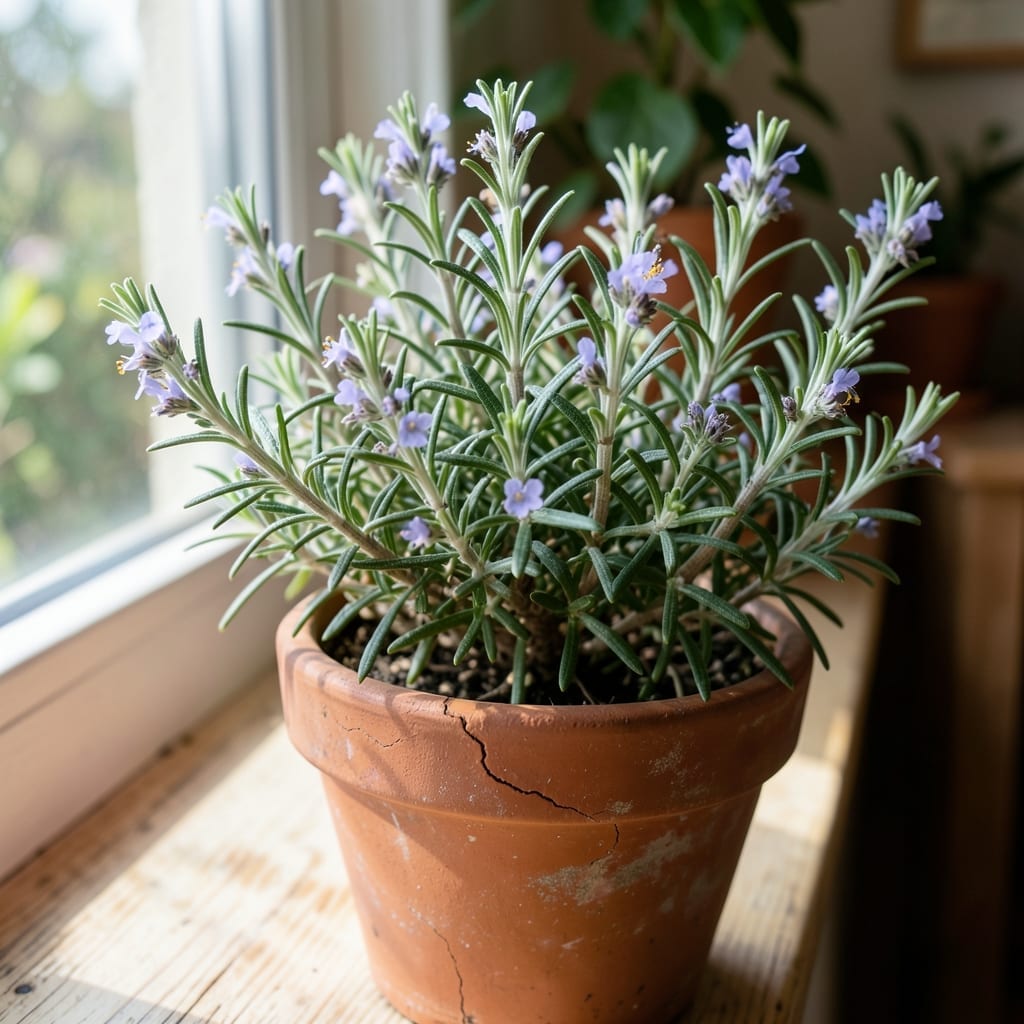
Yellow leaves and drooping stems are your first warning signs. I’ve seen this happen to my own salvia when I got a little too enthusiastic with the watering can.
The leaves turn soft and mushy, often developing black spots at the edges. Stems may appear swollen or split, and the plant loses its usual upright posture. Root rot sets in below the soil, where it’s hardest to spot.
This usually happens when the soil stays soggy for days on end. Salvia thrives in well-draining conditions, and too much water essentially drowns the roots, cutting off their oxygen supply.
Catch it early, and your plant can bounce back. The key is adjusting your watering routine and improving drainage before the damage becomes irreversible.
Overwatering Salvia disrupts its natural balance, leading to visible stress. Here’s why it occurs, broken down by cause:
Root asphyxiation is the primary culprit. Salvia thrives in well-draining soil, and when waterlogged, the roots cannot access oxygen. This triggers anaerobic respiration, where roots produce ethanol and carbon dioxide instead of energy, damaging cells and impeding nutrient uptake. Yellowing leaves and wilting often follow as the plant starves.
Containers without drainage holes or heavy, compacted soil trap water around the roots. Even if you water moderately, poor drainage mimics overwatering by preventing excess moisture from escaping. Clay soils or dense potting mixes exacerbate this, creating a suffocating environment for the roots.
Salvia is drought-tolerant once established, but frequent, shallow watering keeps the soil perpetually damp. This encourages shallow root growth and prevents the plant from developing deep, resilient roots. Stick to the “soak and dry” method: water deeply, then let the top 1–2 inches of soil dry out before watering again.
In cooler weather or shaded areas, Salvia uses water more slowly. Overwatering in these conditions is especially risky because evaporation slows, and the soil stays wet longer. This stagnation invites fungal pathogens like Phytophthora or Pythium, which cause root rot—visible as black, mushy roots and rapid foliage decline.
If your salvia is showing signs of overwatering, don’t worry—it’s often fixable! Here’s how to address the most common issues and restore your plant’s health.
If the roots are mushy or black, stop watering immediately. Gently remove the plant from its pot, trim away any rotten roots with clean scissors, and repot it in fresh, well-draining soil. Use a pot with drainage holes to prevent future issues.
Prevention tip: 💡 Water only when the top 1-2 inches of soil are dry—stick your finger in to check!
If leaves are yellowing or wilting, the soil may be too soggy. Move the plant to a sunnier spot (salvia loves full sun) and ensure the pot isn’t sitting in a saucer of water. Add perlite or sand to the soil mix to boost drainage.
Prevention tip: 🌡️ Avoid heavy, clay-based soils—opt for a light, airy mix instead.
White mold or a musty smell means fungal growth from excess moisture. Remove affected leaves and spray the plant with a copper fungicide or a mix of 1 part hydrogen peroxide to 10 parts water. Improve air circulation by spacing plants apart.
Prevention tip: ✨ Water in the morning so foliage dries quickly, reducing fungal risks.
With these steps, your salvia should bounce back in 1-2 weeks! Keep an eye on its progress and adjust your care routine as needed.
Check the soil by inserting your finger 1-2 inches deep. If it feels dry, it’s time to water. Salvia prefers slightly dry conditions over damp ones.
Yes, if caught early. Trim the black, mushy roots and repot in fresh, well-draining soil. Stop watering until the plant shows new growth.
Yellow leaves often signal overwatering or poor drainage. Ensure the pot has drainage holes and the soil isn’t soggy.
Water deeply every 7-10 days in hot weather, less in cooler months. Always let the soil dry out between waterings.