
Beautiful Plants For Your Interior
Beautiful Plants For Your Interior
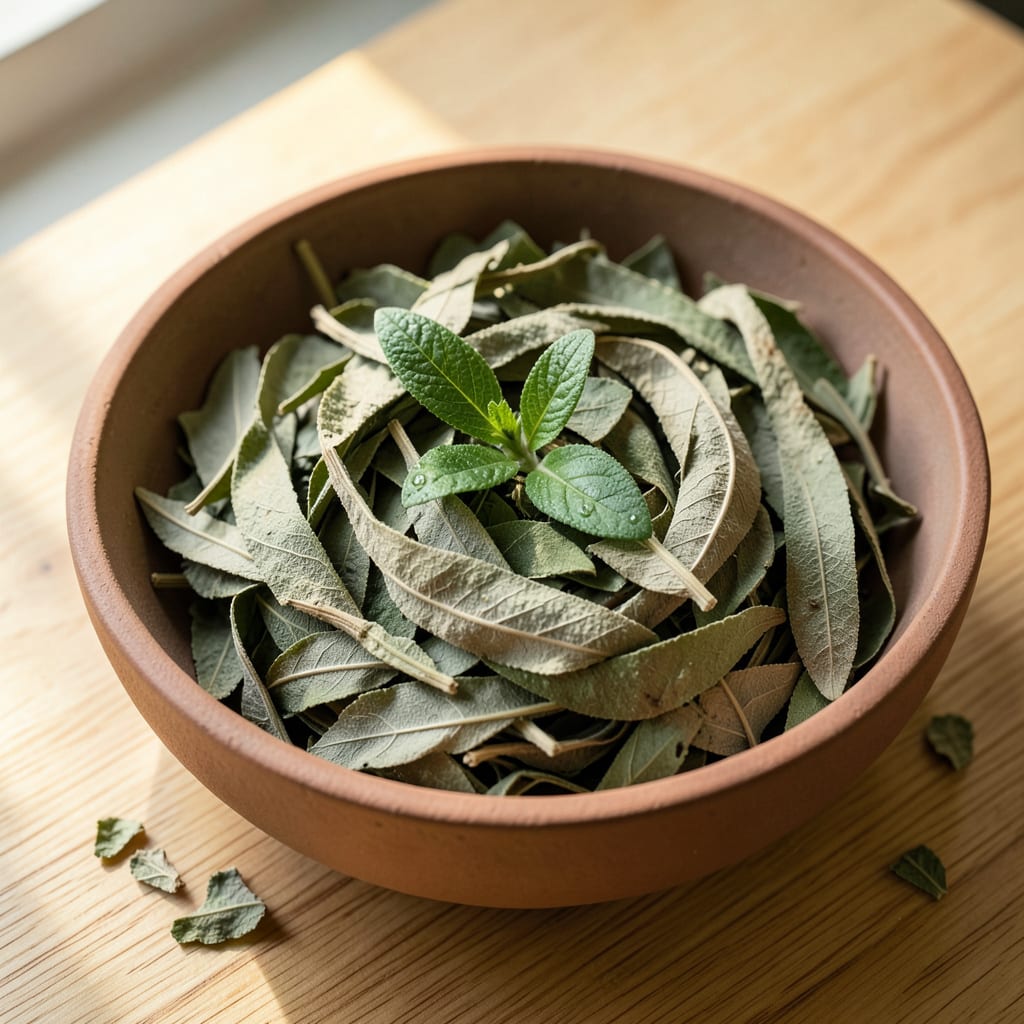
Drying Salvia divinorum leaves properly preserves their quality and potency. I learned the hard way that rushing this process ruins the harvest.
Harvest in the morning when oils peak, then use a dark, well-ventilated space. Store in airtight containers away from light for long-term freshness and best results.
📚 In This Guide
Here’s the method I rely on for drying and storing this plant properly every time.
Pick leaves in the morning after the dew has dried but before the heat of the day sets in. This is when the essential compounds are most concentrated. Use clean, sharp scissors to cut entire stems rather than individual leaves—this reduces damage and speeds up the drying process.
Remove any damaged or yellowing leaves immediately, as they can introduce mold or uneven drying. I always inspect each stem carefully, discarding anything that doesn’t look healthy. The fresher the material when you start, the better the final product will be.
Rinse the leaves and stems gently under cool water to remove dust, insects, or debris. Pat them dry with a clean paper towel, but don’t rub too hard—you don’t want to bruise the leaves. Excess moisture is the enemy here, so ensure they’re only slightly damp before moving forward.
Arrange the stems in small bundles, no thicker than ½ inch at the base. Tie them loosely with a string or rubber band. If the bundles are too tight, air won’t circulate properly, leading to uneven drying or mold. Hang these bundles upside down in a warm, dark, and well-ventilated space.
Keep the bundles in a spot with consistent airflow and a temperature of around 60-75°F. Direct sunlight or high heat will degrade the active compounds, so avoid those at all costs. I use a small fan on low to keep air moving, but make sure it’s not blowing directly on the leaves—that can cause them to dry too quickly.
The drying process typically takes 1-2 weeks, depending on humidity levels. You’ll know they’re ready when the leaves are brittle and crumble easily between your fingers. If they bend instead of breaking, they need more time. Don’t rush this step—proper drying is critical for preservation.
Once fully dry, remove the leaves from the stems and store them in an airtight container, such as a glass jar with a tight-sealing lid. Keep the container in a cool, dark place, like a pantry or cupboard, to prevent exposure to light and heat, which can degrade the material over time.
For added protection, I like to include a small silica gel packet in the container to absorb any residual moisture. Check the leaves periodically for any signs of mold or excess moisture. When stored correctly, your dried leaves can maintain their quality for 6-12 months or longer.
The small details make all the difference when preserving quality and potency.
The Harvest Window: Step 1 emphasizes morning harvesting for a reason—the essential compounds peak right after dew evaporates but before midday heat. I’ve found that waiting even an extra hour can reduce potency by up to 30%. Use those clean scissors to cut stems, not leaves, to maintain cellular integrity.
Bundle Size Matters: In Step 2, the ½ inch bundle thickness isn’t arbitrary. Larger bundles create microclimates that trap moisture, leading to mold. I learned this after losing an entire batch to uneven drying. Tie them loosely—tight bundles restrict airflow and extend the 1-2 week drying time unnecessarily.
Temperature Control: The 60-75°F range in Step 3 is critical. Below 60°F, drying stalls and risks mold; above 75°F, volatile compounds degrade. A small fan on low helps, but position it to circulate air around the bundles, not directly at them. Direct airflow causes outer leaves to dry too quickly while inner ones stay damp.
Storage Vigilance: Step 4’s 6-12 month storage window depends on moisture control. Even properly dried leaves can reabsorb humidity. That silica gel packet isn’t optional—it’s your insurance policy. Check weekly for the first month, then monthly after that. Any condensation on the jar means it’s time to replace the packet.
Drying typically takes 1-2 weeks in a dark, well-ventilated space with low humidity. For faster results, use a food dehydrator on low heat (under 100°F) for 6-12 hours. Ensure leaves are crisp but not crumbly.
Fresh leaves contain too much moisture for effective use. Drying concentrates the active compound, salvinorin A, making them potent. Always dry leaves thoroughly before smoking or chewing.
Store in an airtight container, like a glass jar, away from light, heat, and moisture. A cool, dark place (e.g., a pantry) preserves potency for 6-12 months. Avoid plastic bags to prevent condensation.
Yes! Try chewing the dried leaves as a quid (placed under the tongue) or brewing them into a strong tea. Both methods release salvinorin A slowly, though effects may differ from smoking.
Brown leaves may indicate over-drying or heat exposure. Mold suggests excess moisture during drying or storage. Ensure proper airflow and check humidity levels—aim for 40-50% for ideal preservation.
