
Beautiful Plants For Your Interior
Beautiful Plants For Your Interior
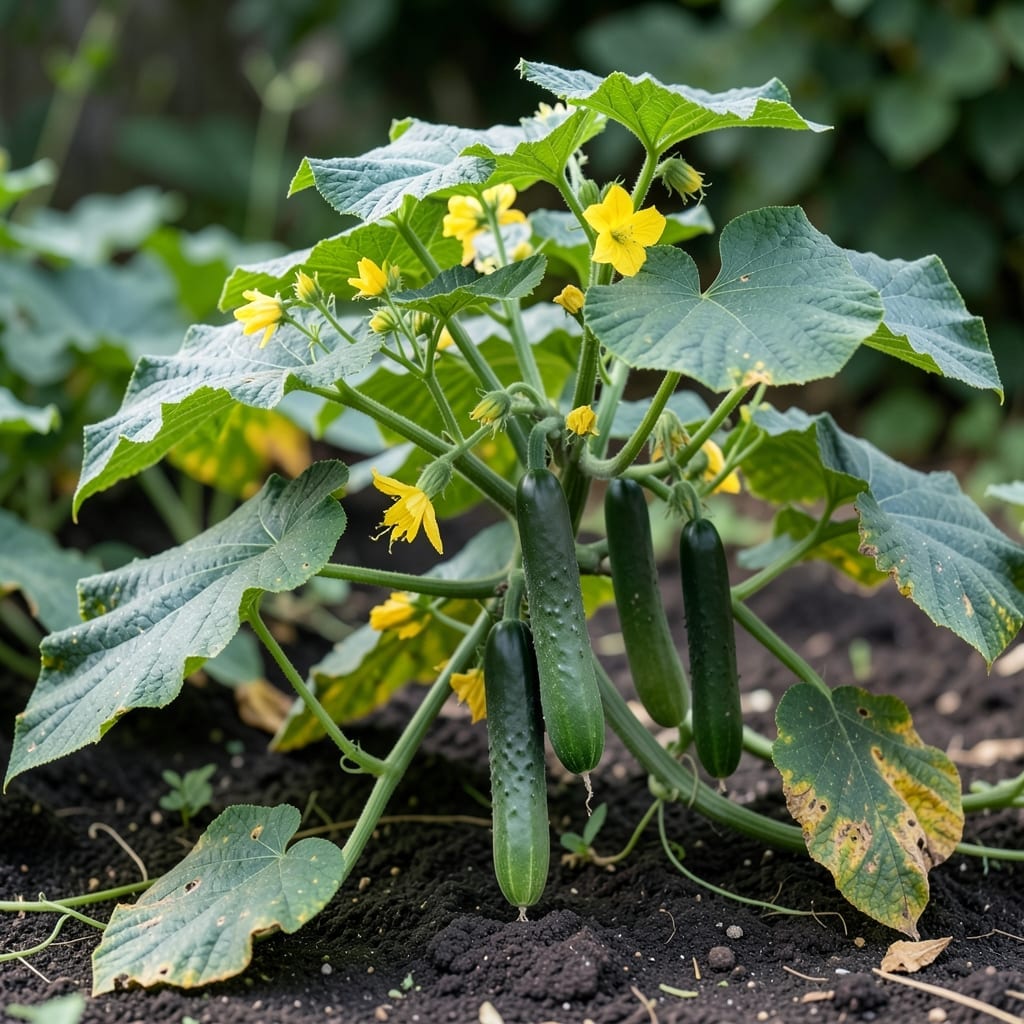
Yellow leaves and mushy stems are the first red flags. 🌱 I’ve seen overwatered cucumbers go from thriving to struggling in just a few days, and the signs are unmistakable once you know what to look for.
Beyond the obvious yellowing, you might notice wilting that doesn’t improve after watering—or even gets worse. The leaves often feel soft, and the stems can turn spongy. Sometimes, you’ll spot mold creeping in at the base.
Here’s the thing—it’s not always about too much water. Poor drainage is often the real culprit. Cucumber roots need air as much as moisture, and soggy soil suffocates them.
Fix it fast with better drainage and a strict watering schedule. Your plants will bounce back quicker than you think.
Overwatering cucumbers disrupts their natural growth processes, leading to visible distress. Here’s a breakdown of the primary causes:
Cucumbers thrive in well-draining soil, but too much water fills the air pockets, suffocating the roots. This reduces oxygen availability, impairing the plant’s ability to absorb nutrients. Without oxygen, roots rot, and the plant can’t sustain healthy growth, resulting in yellowing leaves and wilting.
If your soil or container lacks proper drainage, water pools around the roots. This stagnant water encourages fungal and bacterial growth, such as Phytophthora or Pythium, which attack the root system. As roots decay, the plant struggles to uptake water and nutrients, leading to soft stems and leaf discoloration.
Light, frequent watering keeps the surface moist but fails to encourage deep root growth. This creates a shallow root system that’s easily overwhelmed by excess moisture. The plant becomes stressed, unable to anchor properly or access nutrients deeper in the soil, which manifests as stunted growth and yellowing foliage.
Cool, humid conditions slow evaporation, leaving soil soggy for longer. Cucumbers prefer warm soil (70–90°F) and moderate humidity. When temperatures drop or humidity spikes, water lingers in the soil, increasing the risk of overwatering symptoms like mushy stems and leaf drop.
Overwatered cucumbers can bounce back with the right care. Here’s how to fix the most common issues and prevent future problems.
If your cucumbers are sitting in soggy soil, stop watering immediately. Let the top 1-2 inches of soil dry out before watering again. For potted plants, drill additional drainage holes if needed. In garden beds, mix in compost or sand to improve drainage. Add a layer of mulch to retain moisture without waterlogging.
Prevention tip: 💡 Always use well-draining soil and containers with drainage holes. Water only when the soil feels dry an inch below the surface.
Yellowing leaves often signal overwatering or nutrient deficiency. Reduce watering frequency and ensure your cucumbers receive balanced fertilizer (10-10-10 works well). Remove severely yellowed leaves to redirect energy to healthy growth.
Prevention tip: 🌱 Test soil moisture with your finger before watering. Feed plants with a slow-release fertilizer every 4-6 weeks during the growing season.
Soft or mushy stems are a red flag for root rot. Trim affected stems with clean scissors and repot the plant in fresh, dry soil if necessary. Avoid overhead watering to keep foliage dry. For outdoor plants, improve air circulation by spacing them 12-18 inches apart.
Prevention tip: ✨ Water at the base of the plant early in the day, so excess moisture evaporates quickly. Use a drip irrigation system for consistent, controlled watering.
Overwatering creates a prime environment for fungal diseases like powdery mildew. Remove infected leaves and apply a fungicide (neem oil or copper-based sprays work well). Increase sunlight exposure by pruning nearby plants or relocating containers.
Prevention tip: 🎯 Space plants properly and avoid wetting the leaves. Rotate crops yearly to prevent fungal buildup in the soil.
Yellow leaves signal that roots are suffocating from excess moisture. The lack of oxygen in soggy soil prevents nutrient uptake, causing the plant to shed older leaves first. Reduce watering and check drainage immediately.
Yes, if caught early. Trim affected stems and repot in fresh, dry soil. Ensure the container has drainage holes and avoid watering until the top 2 inches of soil are dry.
Water deeply 2-3 times per week, letting the top 1-2 inches of soil dry between sessions. Morning watering helps prevent fungal growth, and drip irrigation targets roots directly.