
Beautiful Plants For Your Interior
Beautiful Plants For Your Interior
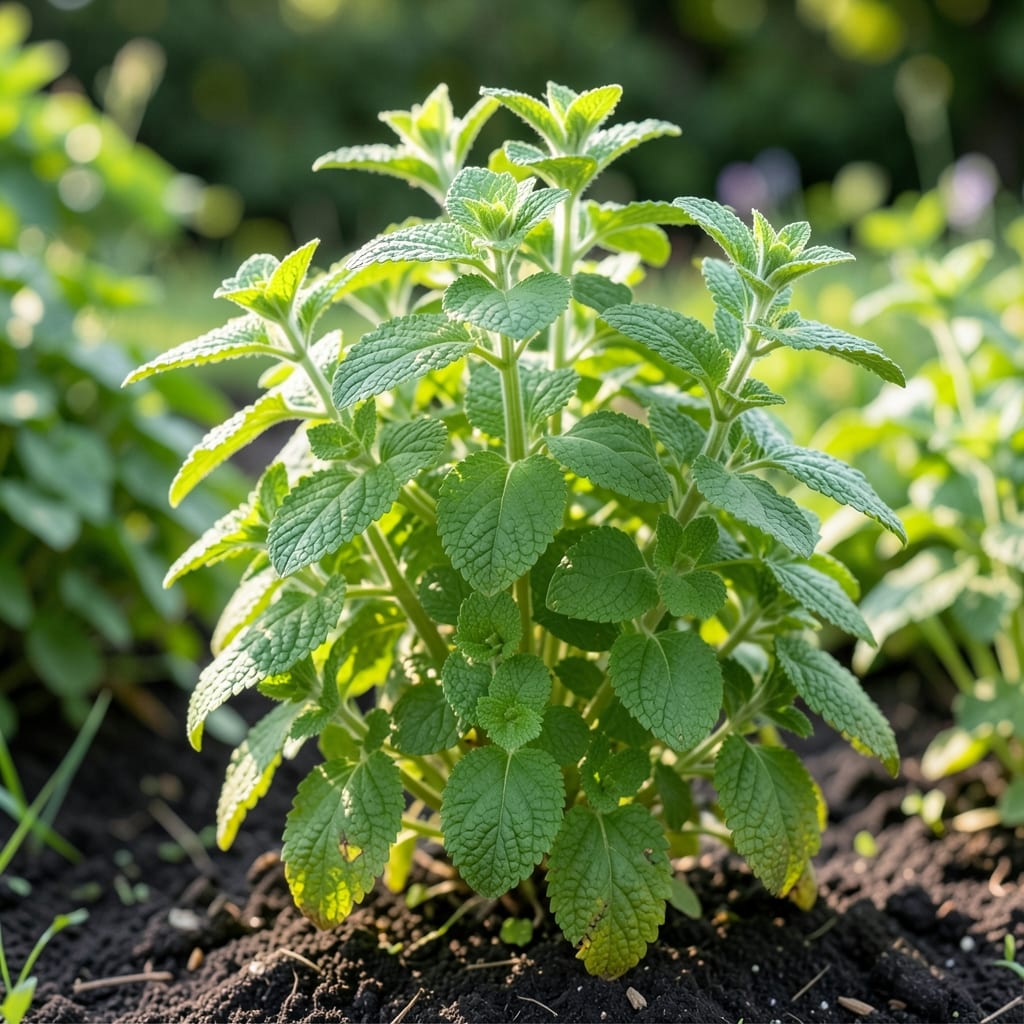
Lemon balm leaves are bright green, fragrant foliage from the Melissa officinalis plant, emitting a citrusy aroma and used in teas, seasonings, and herbal remedies.
I love how these leaves bring a zesty, fresh quality to both food and drinks. In my kitchen, I use them to brighten up fruit salads or steep them for a soothing herbal tea. Beyond taste, they’ve been valued for centuries in traditional medicine for their calming properties. ✨
The plant itself thrives in sunny spots and spreads easily, making it a favorite among gardeners. Its heart-shaped leaves and square stems are telltale signs you’ve got the right herb. 💫
💡 In This Article
Lemon balm leaves grow in opposite pairs along square stems, a hallmark of the mint family. Each leaf is heart-shaped with serrated edges, typically measuring 1-3 inches long. The surface appears wrinkled due to a network of tiny veins, giving it a slightly textured feel when rubbed between fingers. 🌟
The scent profile is unmistakable—crushing a leaf releases a bright, lemony fragrance from the essential oils, primarily citral and citronellal. These compounds are the same ones found in lemon peel, explaining the strong citrus notes. The aroma intensifies on warm days, making it easy to identify in a garden. ✨
In ideal conditions, lemon balm can grow 2-4 feet tall with a bushy, spreading habit. It thrives in USDA zones 4-9, preferring full sun to partial shade. The plant produces small white flowers in summer, though gardeners often pinch these off to encourage more leaf growth. 💫
The leaves change subtly through the growing season. Young leaves in spring are the most aromatic and tender, perfect for culinary use. As the plant matures, leaves become slightly tougher and more bitter, though still usable for teas or infusions. This seasonal variation affects flavor intensity. 🔥
What sets lemon balm apart from similar herbs is its resilience. Unlike basil, which wilts quickly after picking, lemon balm leaves stay fresh for 5-7 days in the fridge when stored properly in a sealed container with a damp paper towel. This durability makes it a practical choice for home gardeners. ⚡
Look for heart-shaped leaves with serrated edges growing in opposite pairs along square stems. Crushing a leaf releases a strong lemony scent, which is the easiest way to confirm it.
Yes, but use 1/3 the amount since drying concentrates the flavor. Dried leaves work well for teas and infusions but may lose some aromatic brightness.
Place unwashed leaves in a sealed container with a damp paper towel. They’ll stay fresh in the fridge for 5-7 days.
While generally safe, avoid if pregnant or on thyroid medication. Always consult a healthcare provider before trying new herbal remedies.