
Beautiful Plants For Your Interior
Beautiful Plants For Your Interior
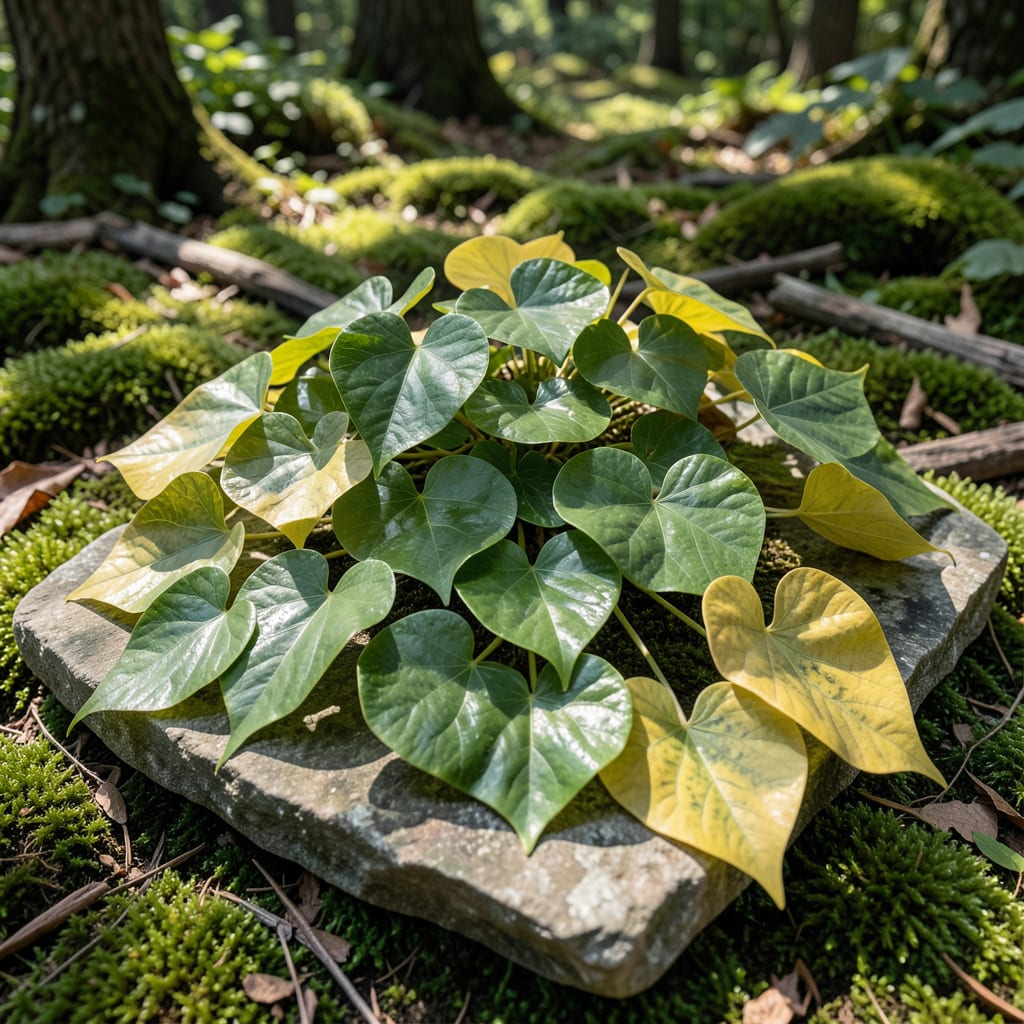
There’s something magical about a weeping tree with heart-shaped leaves swaying gently in the breeze. I planted my first one last spring, and it instantly became the centerpiece of my backyard, drawing compliments from every visitor.
These trees add dramatic elegance to any landscape, and with the right care, they thrive for decades. Whether you choose a weeping cherry or a willow, their graceful branches and unique foliage transform ordinary spaces into something extraordinary.
📚 In This Guide
Here’s my proven method for establishing these dramatic specimens so they thrive and become your garden’s centerpiece.
Choose a site with full sun to partial shade—these trees prefer 6+ hours of sunlight but tolerate light afternoon shade in hotter climates. The soil should be well-draining and rich in organic matter. I always test drainage first by digging a 12-inch-deep hole, filling it with water, and checking if it empties within 2 hours.
Avoid low-lying areas where water pools, as weeping varieties are particularly susceptible to root rot. Consider the mature spread—these trees often cascade 8-10 feet wide, so give them room to shine without crowding nearby plants.
Dig a hole twice as wide as the root ball but no deeper. Loosen the sides of the hole to encourage outward root growth. Amend the native soil with 50% compost to improve fertility and drainage. I mix in a handful of mycorrhizal fungi to boost root establishment—this is especially helpful for weeping trees that can be slow to acclimate.
If your soil is heavy clay, add 20% perlite or coarse sand to the backfill mix. This prevents compaction, which can strangle the delicate root system. Remove the tree from its container and gently tease apart any circling roots before placing it in the hole.
Position the tree so the root flare (where roots meet trunk) sits 1-2 inches above soil level—it will settle slightly after watering. Backfill the hole with your amended soil, tampering lightly every few inches to eliminate air pockets. Water thoroughly with 5-10 gallons to settle the soil and hydrate the roots.
For weeping varieties, I always stake the central leader to a 6-foot bamboo stake using soft tree ties. This supports the upright growth while allowing the pendulous branches to cascade naturally. Avoid tying too tightly—leave room for the trunk to thicken.
Spread a 3-4 inch layer of organic mulch (shredded bark or wood chips) in a 3-foot diameter around the base, keeping it 6 inches away from the trunk to prevent rot. Mulch conserves moisture and regulates soil temperature, which is critical for the first growing season.
Water deeply 2-3 times per week for the first month, then taper to once weekly unless rainfall is adequate. Check soil moisture by inserting your finger 2 inches deep—if it feels dry, it’s time to water. Weeping trees with heart-shaped leaves often wilt dramatically when thirsty, so don’t wait for visual cues.
Hold off on fertilizer until you see new growth—usually after 4-6 weeks. A balanced, slow-release fertilizer applied in early spring will promote vigorous, healthy foliage without encouraging weak, leggy growth.
Small details make the difference between a tree that struggles and one that becomes a garden showpiece.
The Location Factor: That drainage test in Step 1 isn’t optional—if water doesn’t empty from your 12-inch hole within exactly 2 hours, either amend the soil with perlite or choose a different spot. Weeping varieties drown faster than you’d expect, and root rot sets in silently.
Planting Depth Precision: When positioning your tree in Step 3, resist the urge to bury it deeper for stability. The root flare must sit 1-2 inches above soil level as specified, or you’ll create a moisture trap against the trunk that leads to slow, painful decline. I’ve lost two trees to this exact mistake.
Staking Strategy: For the 6-foot bamboo stake mentioned in Step 3, use figure-eight ties rather than single loops. This allows the trunk to thicken naturally while still providing support, and prevents the girdling that can occur with tight, single ties as the tree grows.
Watering Wisdom: The 2-3 times per week schedule in Step 4 assumes average conditions. In extreme heat, check that 2-inch soil depth daily—these trees wilt dramatically at the first sign of thirst, and by then it’s often too late to recover the same day.
A weeping tree with heart-shaped leaves, like the Cercis canadensis ‘Lavender Twist’, is a decorative tree with cascading branches and distinctive heart-shaped foliage. It adds elegance and drama to gardens.
Plant it in well-draining soil with partial to full sun. Water regularly, especially in dry spells, and prune lightly to shape. Mulch helps retain moisture and protect roots.
Early spring or fall is ideal for planting. Avoid extreme heat or frost. This timing helps the tree establish roots before stress periods.
Yes! Consider Weeping Redbud or Weeping Cherry for similar drama. For smaller spaces, try Weeping Japanese Maple with heart-like leaves.
Brown leaves may indicate underwatering, overwatering, or poor soil drainage. Check moisture levels and adjust care. Pests or disease could also be culprits—inspect leaves closely.
