
Beautiful Plants For Your Interior
Beautiful Plants For Your Interior
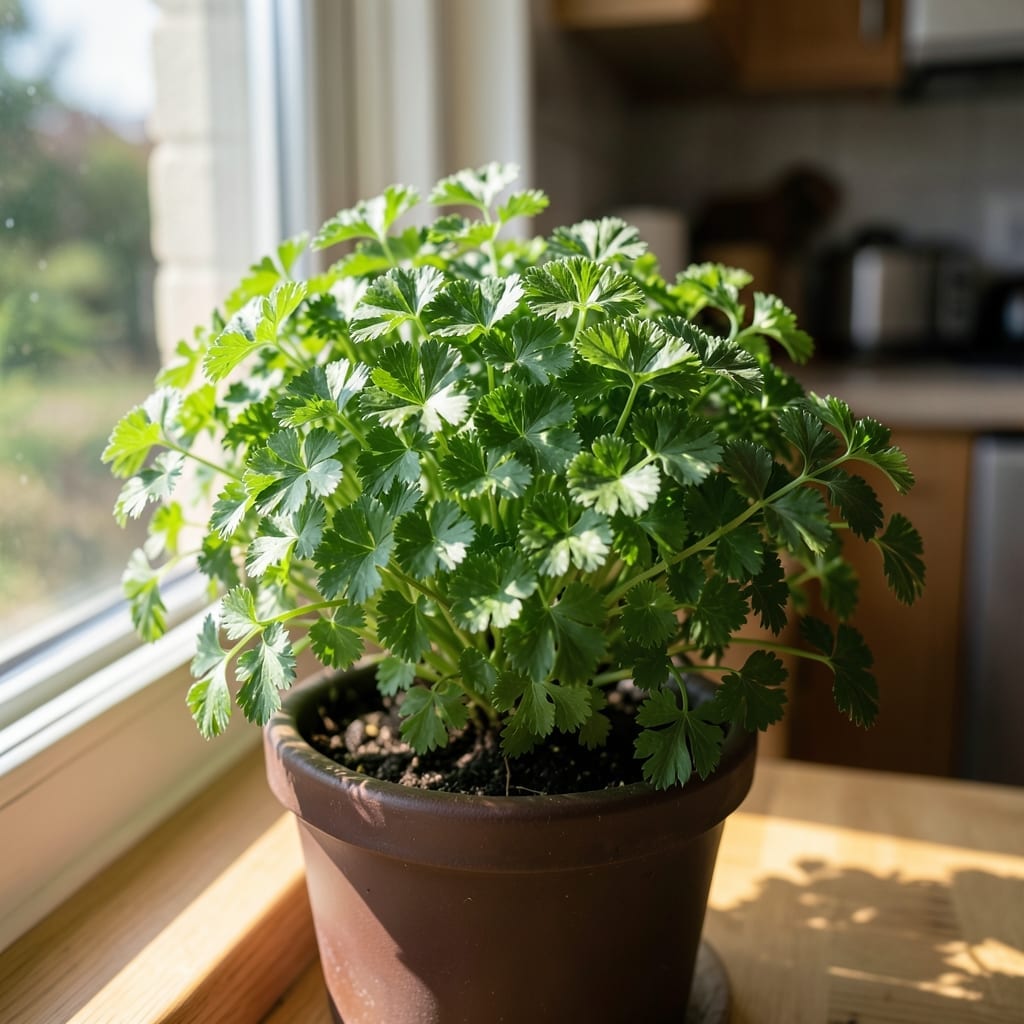
The Tagalog word for parsley is ‘perehil.’ This direct translation refers to both flat-leaf and curly varieties commonly used in culinary applications.
In Filipino kitchens, perehil often plays a supporting role, adding freshness to dishes like sinigang or adobo. I’ve noticed it’s less dominant than in Western cooking but valued for its bright, clean finish. 💫
What’s fascinating is how this herb adapts to tropical climates, thriving in partial shade with consistent moisture. Many home gardeners in the Philippines grow it alongside other aromatic plants. ✨
💡 In This Article
In Filipino culinary traditions, perehil serves as a subtle yet essential flavor enhancer. Unlike Western cuisines where parsley often takes center stage, Filipino cooks use it sparingly to add a fresh, slightly peppery note to dishes without overpowering the primary flavors.
This approach allows the herb to complement rather than dominate, similar to how cilantro is used in Mexican cooking.
One of its most common applications is as a garnish for sinigang, the beloved sour soup. The bright green leaves provide a visual contrast and a clean finish that cuts through the soup’s tangy broth. It’s also sprinkled over grilled meats like lechon or adobo, where its mild flavor balances the richness of the dishes.
The herb’s versatility shines in both hot and cold preparations.
What sets perehil apart from other local herbs like sibuyas (chives) or tanglad (lemongrass) is its ability to blend seamlessly into both traditional and modern Filipino dishes. While sibuyas adds a sharp onion-like bite and tanglad contributes a citrusy aroma, perehil offers a more neutral, fresh profile.
This makes it a favorite for chefs looking to add depth without altering the dish’s core flavors.
The herb’s cultural role extends beyond the plate. In many households, perehil is grown in home gardens, symbolizing a connection to both local and global culinary practices.
Its presence in Filipino kitchens reflects the country’s history of cultural exchange, as parsley was introduced during the Spanish colonial period and has since been integrated into local cooking. 💫
For those new to Filipino cuisine, understanding the role of perehil can elevate your cooking. Try adding a sprinkle to your next sinigang or adobo for an authentic touch. Its subtle flavor won’t overpower but will enhance the overall harmony of the dish. ✨
Yes, some regions call it perehil while others use parsley directly. In Visayan areas, you might also hear perehil pronounced slightly differently, but the spelling remains the same.
No, they’re distinct herbs. Perehil has a milder, grassier flavor, while cilantro (or kintay) has a citrusy, slightly soapy taste. They’re not typically swapped in recipes.
Dried perehil works in a pinch, but use 1/3 the amount since the flavor is more concentrated. Fresh is always preferred for garnishes and delicate dishes.
Look in Asian grocery stores or the international herb section. You can also grow it at home from seeds—it thrives in pots with 4-6 hours of sunlight daily.