
Beautiful Plants For Your Interior
Beautiful Plants For Your Interior
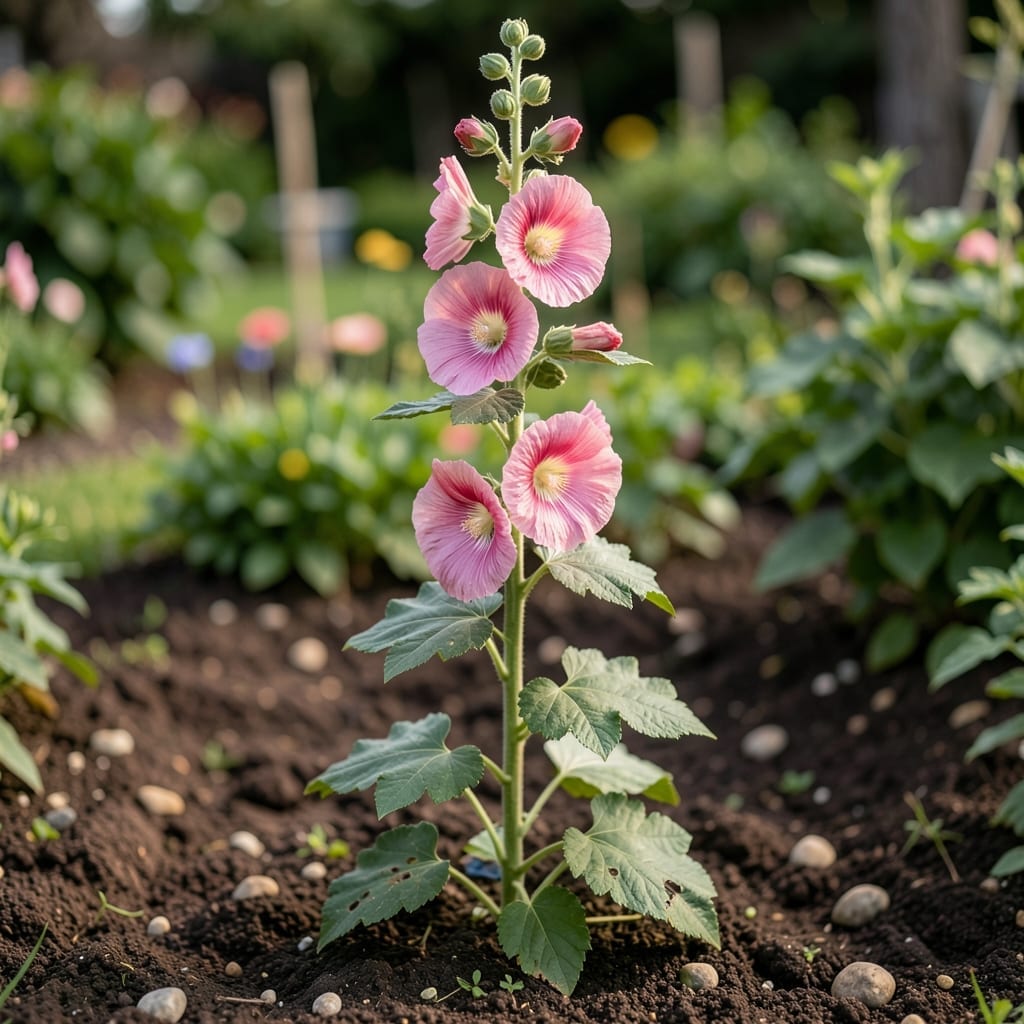
Rust resistant hollyhocks are varieties bred to withstand fungal rust disease, offering vibrant blooms without yellow-orange leaf spots. Popular choices include ‘Nigra’, ‘Chaters Double’ and ‘Mars Magic’.
These specialized plants come from selective breeding programs that strengthen their natural defenses against Puccinia malvacearum, the fungus causing rust. I’ve seen firsthand how resistant strains maintain healthier foliage throughout the growing season, which means more energy goes into producing those stunning 6-8 foot flower spikes. 🌟
Gardeners in humid climates especially benefit from these varieties, as moisture is a primary trigger for rust development. The key is choosing types with proven genetic resistance rather than relying solely on fungicides.
💡 In This Article
The resistance comes from selective breeding that enhances the plant’s natural defenses. Breeders identify hollyhocks with genetic mutations that produce thicker cell walls or higher concentrations of antifungal compounds like lignins and phenols. These traits make it harder for Puccinia malvacearum spores to penetrate leaf tissues. 🔥
Rust-resistant varieties often contain elevated levels of salicylic acid, a plant hormone that triggers systemic acquired resistance. When the fungus attempts to infect, this chemical response creates a localized immune reaction that walls off the pathogen. Standard hollyhocks lack this robust defense mechanism, making them vulnerable to widespread leaf spotting.
What most gardeners don’t realize is that resistance isn’t absolute immunity. These plants may still develop minor rust spots under extreme conditions, but the infection remains localized rather than spreading to destroy entire plants. The difference is like comparing a minor scratch to a gaping wound in terms of plant health. ✨
Breeding programs typically take 7-10 years to develop stable resistant strains. Scientists cross-pollinate surviving plants from rust-infested fields with particularly vigorous specimens, gradually strengthening the resistance genes through successive generations. The result is varieties that maintain 90-95% of their foliage health even in wet seasons.
This genetic resistance also affects the plant’s metabolism. Resistant hollyhocks often allocate more energy to root development and flower production rather than constantly repairing leaf damage. That’s why you’ll notice these varieties can produce up to 30% more blooms than their susceptible counterparts under the same growing conditions. 💫
Look for yellow-orange spots on the undersides of leaves, often with reddish-brown pustules. Severe cases cause leaves to yellow, brown, and drop prematurely. Check in morning when dew is present, as moisture helps spores spread.
Resistant types rarely need treatment, but a copper fungicide every 2-3 weeks in humid weather adds protection. It’s preventive maintenance, not a cure. Always apply in the morning for best results.
They’ll survive but won’t thrive. For best rust resistance and blooms, provide at least 6-8 hours of sunlight daily. Shade increases humidity around leaves, which invites fungal growth even in resistant plants.
With proper care, they typically last 2-3 years. Remove old stems in fall to prevent overwintering spores. These are short-lived perennials, so plan to replant every few years for continuous blooms.