
Beautiful Plants For Your Interior
Beautiful Plants For Your Interior
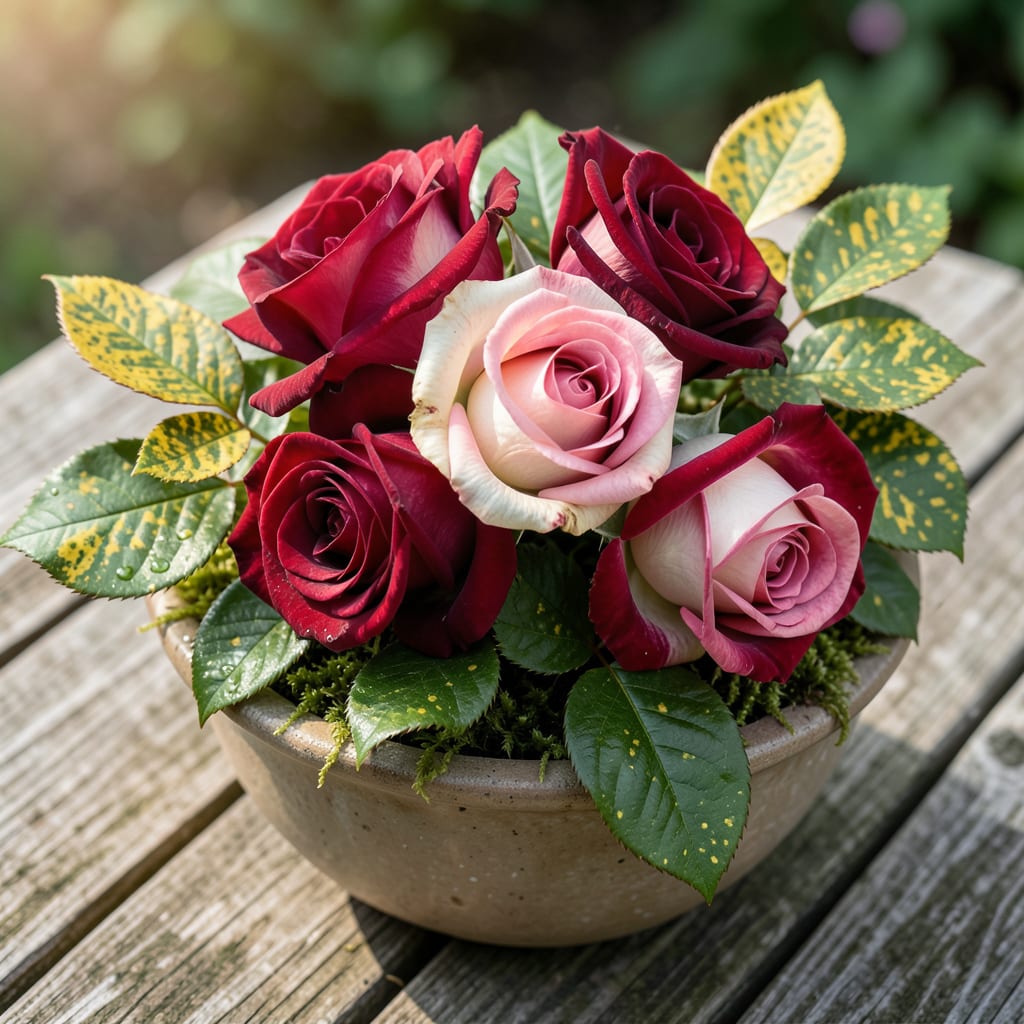
Those yellow spots on your rose leaves aren’t just ugly—they’re a cry for help. I’ve battled this exact issue in my garden, and the good news is it’s usually fixable with the right approach.
Most often, it’s black spot fungus rearing its head, especially after wet weather or poor air circulation. Left untreated, it’ll spread fast, weakening your plants and killing leaves before their time.
With a little vigilance and the right treatment, you can stop the spread in its tracks. Your roses will bounce back with healthy green leaves and keep blooming all season long.
No fancy equipment needed—just consistency and a few simple steps to restore your garden’s glory.
Yellow spots on rose leaves often signal underlying issues that disrupt chlorophyll production or cell structure. Below are the most common causes, explained with actionable insights.
Pathogens like Diplocarpon rosae (black spot) or Sphaerotheca pannosa (powdery mildew) thrive in humid, poorly ventilated conditions. These fungi penetrate leaf tissues, creating yellow halos around dark spots as toxins damage cells. Action: Remove infected leaves immediately and apply copper-based fungicides.
Excess moisture suffocates roots, reducing oxygen uptake and nutrient transport. This stress manifests as chlorotic (yellow) spots, often with brown edges. Action: Ensure well-draining soil and water only when the top inch is dry.
Magnesium or iron shortages disrupt chlorophyll synthesis, causing interveinal yellowing. Magnesium deficiency often appears as yellow patches between veins, while iron deficiency targets new growth. Action: Test soil pH (aim for 6.0–6.5) and amend with Epsom salt (magnesium) or chelated iron.
Spider mites and aphids pierce leaf cells, sapping nutrients and introducing toxins. Their feeding creates stippled yellow spots, often on the undersides. Action: Blast pests off with water or use neem oil for severe infestations.
Tackling yellow spotted leaves on your roses starts with identifying the root cause. Below are practical solutions for the most common culprits, along with prevention tips to keep your garden thriving.
If black spot or powdery mildew is to blame, remove and destroy affected leaves immediately to prevent spreading. Apply a copper-based fungicide or neem oil spray every 7–10 days until the issue clears. For organic gardens, a baking soda solution (1 tbsp baking soda + 1 tsp dish soap + 1 gallon water) can help.
Prevention: Water at the base of the plant (not overhead) to keep foliage dry. Space roses for good airflow, and prune dense growth.
Yellow spots with soggy soil? Scale back watering and let the top 1–2 inches of soil dry out between sessions. Ensure pots have drainage holes, and amend heavy clay soil with compost to improve drainage.
Prevention: Use a moisture meter to avoid guesswork. Morning watering helps excess moisture evaporate during the day.
Pale yellow spots (often between veins) may signal a lack of iron or magnesium. Use a balanced rose fertilizer (10-10-10) or a foliar spray with chelated iron. For magnesium, work Epsom salt (1 tbsp per gallon) into the soil monthly.
Prevention: Test soil annually and amend as needed. Mulch with compost to slowly release nutrients.
Check leaf undersides for spider mites or aphids. Blast them off with water, then apply insecticidal soap or horticultural oil. For severe infestations, introduce beneficial insects like ladybugs.
Prevention: Inspect plants weekly. Encourage biodiversity with companion plants like marigolds to deter pests.
Pro Tip 💡: Always sterilize pruning tools with rubbing alcohol between cuts to avoid spreading disease!
Improve air circulation by spacing plants 3-4 feet apart. Water at the base in the morning to keep leaves dry. Apply a preventative fungicide every 2-3 weeks during wet seasons.
No, overwatering, nutrient deficiencies, or pest damage can also create similar symptoms. Check soil moisture and inspect leaf undersides for pests before assuming it’s fungal.
Yes! A baking soda spray (1 tbsp per gallon of water with 1 tsp dish soap) works well for mild fungal issues. For pests, neem oil is effective and organic.
Prune infected leaves immediately when you first notice spots. Use clean, sterilized shears and dispose of debris far from your garden to prevent reinfection.
