
Beautiful Plants For Your Interior
Beautiful Plants For Your Interior
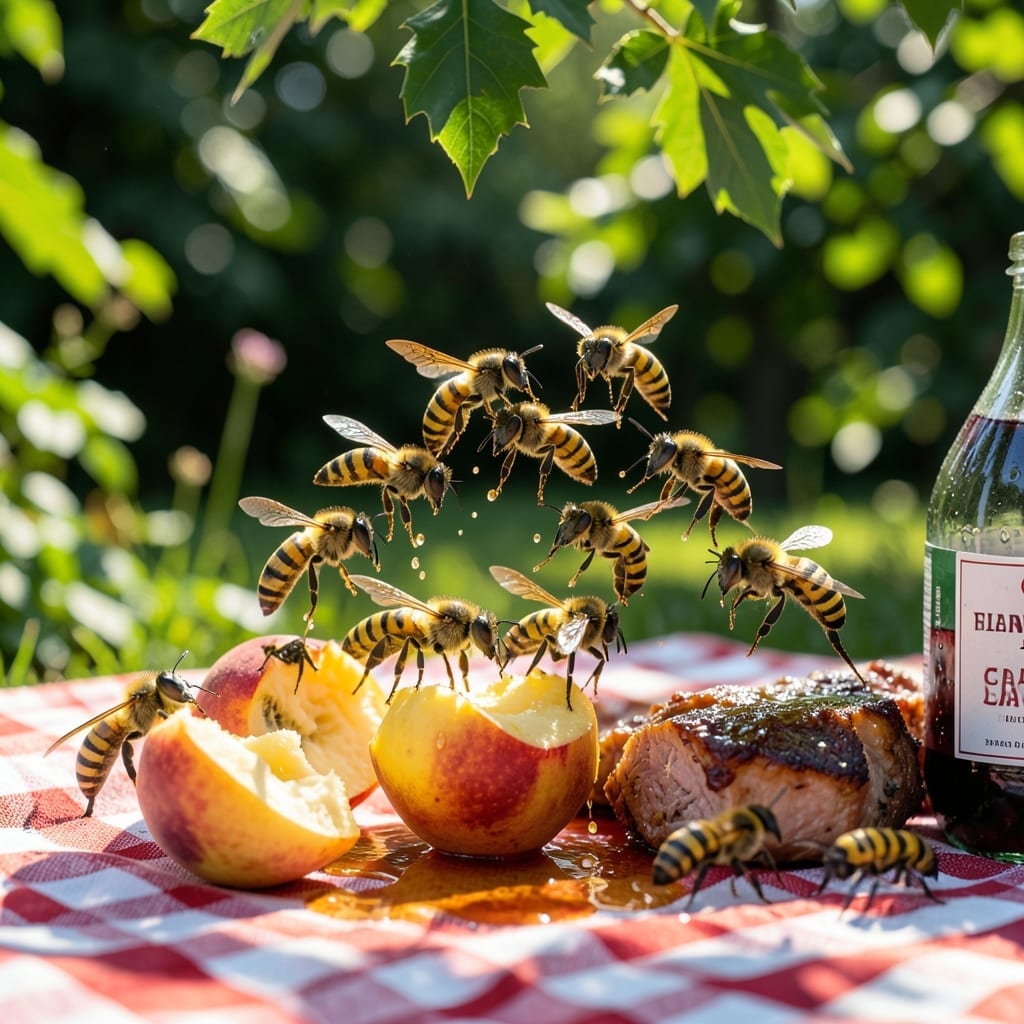
Yellow jackets are primarily attracted to sugary foods, meats, and proteins. They are especially drawn to open soda cans, ripe fruits, pet food, and garbage.
I’ve noticed these pests become particularly aggressive in late summer when their colonies peak and food sources dwindle. 💫 Their scavenging nature means they’re drawn to anything with strong odors, including overripe produce or leftover picnic snacks. Keeping outdoor areas clean and sealing trash bins tightly can make a huge difference in keeping them away.
💡 In This Article
Yellow jackets are opportunistic scavengers with a biological drive for high-energy foods. Their attraction to sugars stems from their need for carbohydrates, which fuel their hyperactive foraging. Proteins become critical in late summer when colonies must feed developing larvae, triggering their aggression toward meats and pet food.
This dietary shift explains why they swarm picnics and garbage bins with such persistence.
Their sense of smell is extraordinary—yellow jackets can detect food odors from 50-100 feet away. Sugary liquids like soda create strong scent trails that draw entire colonies, while overripe fruits emit volatile organic compounds that act as powerful attractants.
Even the faintest protein odor from a discarded chicken bone can trigger a feeding frenzy within minutes.
Seasonality plays a major role in their behavior. In spring and early summer, adult yellow jackets primarily consume nectar and other sugars for energy. But by late summer, when colonies contain thousands of individuals, they become more desperate.
Worker wasps scavenge aggressively for proteins to feed larvae, which is why they’re most problematic during outdoor gatherings in July through September. 🔥
What most people don’t realize is that these insects are also drawn to moisture. Open soda cans provide both sugar and water, making them irresistible. Even sweat on human skin can attract them, as the salt and organic compounds mimic natural food sources.
Their mouthparts are specially adapted for both chewing solid proteins and lapping up liquids, giving them incredible versatility as scavengers.
This dual attraction to sugars and proteins makes them particularly challenging to deter. Unlike bees that focus on pollen, yellow jackets will exploit any available food source.
Their ability to detect a wide range of odors, from the sweetness of fallen fruit to the savory smell of grilled meats, makes them one of the most persistent picnic pests in North America. ✨
They crave both but shift preferences seasonally. In spring, they favor sugary foods for energy. By late summer, they aggressively seek proteins like meats to feed their larvae.
The combination of sugar residue and moisture creates an irresistible scent trail. Their strong odor detection can draw them from 50-100 feet away.
No, but they’ll investigate any container with lingering odors. Always use airtight lids and clean spills immediately to prevent attracting them.
Yes, the salt and organic compounds in sweat mimic natural food sources. This is why they may hover near people, especially in hot weather.
Plant peppermint, citronella, or lemongrass. A vinegar-water spray also deters them without harsh chemicals.