
Beautiful Plants For Your Interior
Beautiful Plants For Your Interior
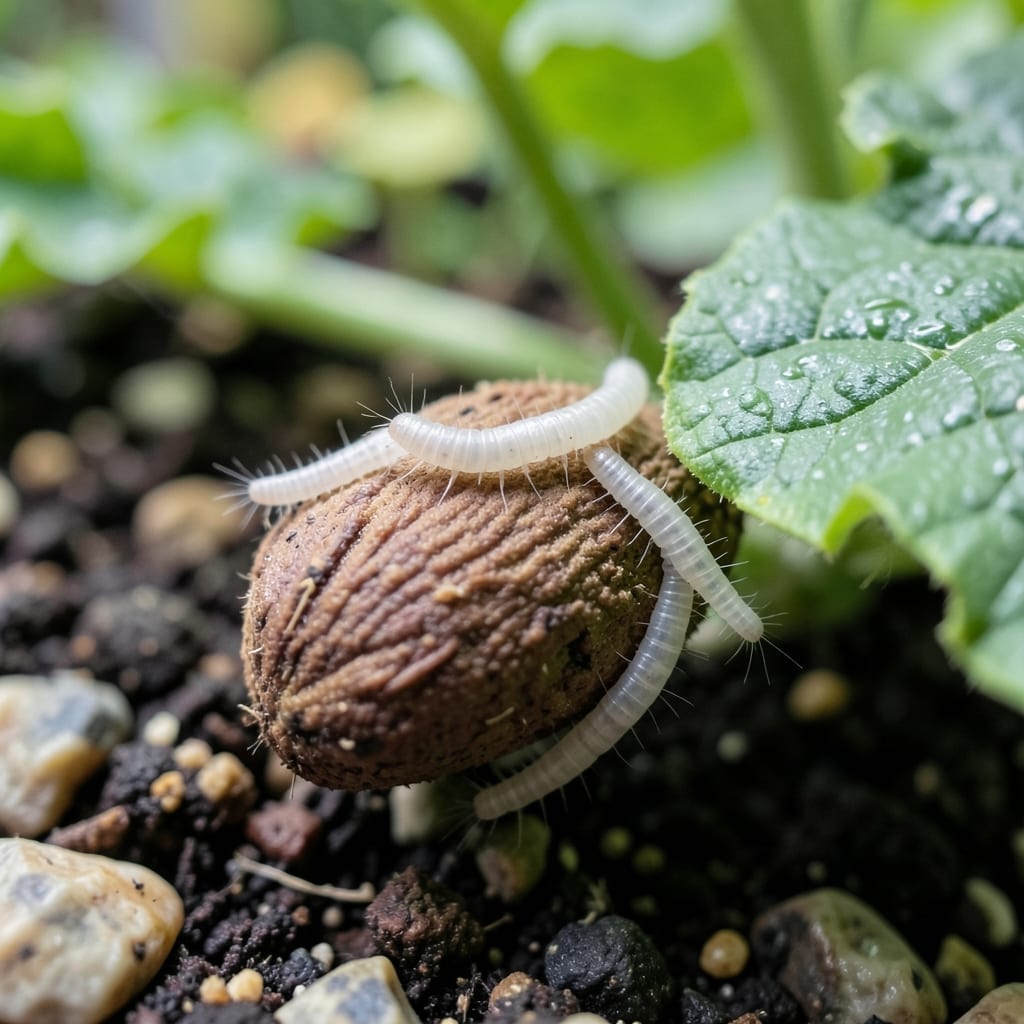
I lost an entire watermelon patch to seed worms last summer. Tiny white larvae in the soil eat the seeds before they can even sprout, leaving empty holes where your plants should be.
Here’s the thing—these aren’t worms at all. They’re the larvae of seedcorn maggots, and they thrive in cool, wet soil with plenty of decaying organic matter. My mistake was planting too early in 50-degree soil with fresh compost.
Prevention is simpler than you’d think. Treat seeds with beneficial fungi, avoid over-fertilizing with fresh manure, and plant when soil warms to 70 degrees. These three changes saved my next crop.
Healthy seeds mean strong starts. The plants that do emerge from treated seeds grow faster and resist pests better than vulnerable seedlings. No more empty rows come harvest time.
The presence of worms in watermelon seeds is typically tied to specific environmental and biological factors. Below are the primary causes, explained in detail to help you understand and address the issue effectively.
Worms often thrive in organic-rich, poorly drained soil, where decomposing matter provides an ideal breeding ground. If your garden soil contains excess organic debris or compost that hasn’t fully broken down, it may attract worm species like wireworms or root-knot nematodes. These pests can infiltrate watermelon plants, including their seeds, as they feed on decaying material or plant roots.
Certain insects, such as the melon fly or cucumber beetle, lay eggs in or near watermelon plants. Their larvae (maggots or grubs) may burrow into the fruit, including the seed cavity, where they feed and grow. This direct infestation is a common cause of “watermelon seed worms.” Regularly inspect plants for signs of these pests to catch infestations early.
Excess moisture in the soil or around watermelon vines creates a humid, anaerobic environment that attracts worms and other soil-dwelling organisms. Overwatering can also weaken plant defenses, making them more susceptible to pest invasions. Ensure your watermelon patch has well-draining soil and avoid waterlogging to deter worm activity.
Planting watermelons in the same location year after year can lead to a buildup of soil-borne pests and diseases. Worms and their eggs may persist in the soil, reinfesting new crops. Practicing crop rotation with non-host plants (e.g., legumes or grains) disrupts pest life cycles and reduces the risk of seed contamination.
Dealing with infestations in your watermelon plants can be frustrating, but these targeted solutions will help you reclaim your garden. Below, we map common causes to practical fixes, along with prevention tips to keep your crop thriving.
Excess moisture creates the perfect breeding ground. Fix it: Switch to a drip irrigation system to deliver water directly to the roots, avoiding soggy foliage. Add organic mulch like straw to retain moisture without waterlogging. For existing plants, loosen compacted soil with a garden fork to boost drainage.
Prevention tip: 💡 Water early in the morning so soil dries by evening, reducing pest attraction.
Rotting leaves or fruit invite pests. Fix it: Inspect plants daily and prune damaged or yellowing leaves with clean shears. Clear fallen fruit or foliage immediately—don’t let it decompose near the plant. Use a small rake to keep the area tidy.
Prevention tip: ✨ Apply a layer of compost (not fresh manure) to encourage healthy decomposition away from stems.
Natural enemies like ladybugs or parasitic wasps can curb pest populations. Fix it: Purchase ladybugs from a garden center and release them at dusk near infested plants. Plant companion flowers like marigolds or alyssum to attract helpful insects.
Prevention tip: 🎯 Avoid broad-spectrum pesticides—they kill good bugs too!
Weak plants are more susceptible. Fix it: Mix aged compost or worm castings into the top 6 inches of soil to improve fertility. For a quick boost, use a balanced organic fertilizer (e.g., 5-5-5) every 3–4 weeks during growing season.
Prevention tip: 🌡️ Test soil pH annually; watermelons prefer slightly acidic to neutral (6.0–6.8).
Seedcorn maggot larvae are tiny, legless, and white to cream-colored. They’re about 1/4 inch long when fully grown. You’ll usually spot them in the soil near seeds or young seedlings.
Yes, but treat the seeds first. Soak them in a beneficial fungal solution or hot water at 122°F for 25 minutes to kill larvae. Always plant in warm, well-drained soil.
Check for slow or patchy germination. Dig near seeds—if you find hollowed-out seeds or tiny white larvae, the soil is likely contaminated. Avoid planting until treated.