
Beautiful Plants For Your Interior
Beautiful Plants For Your Interior
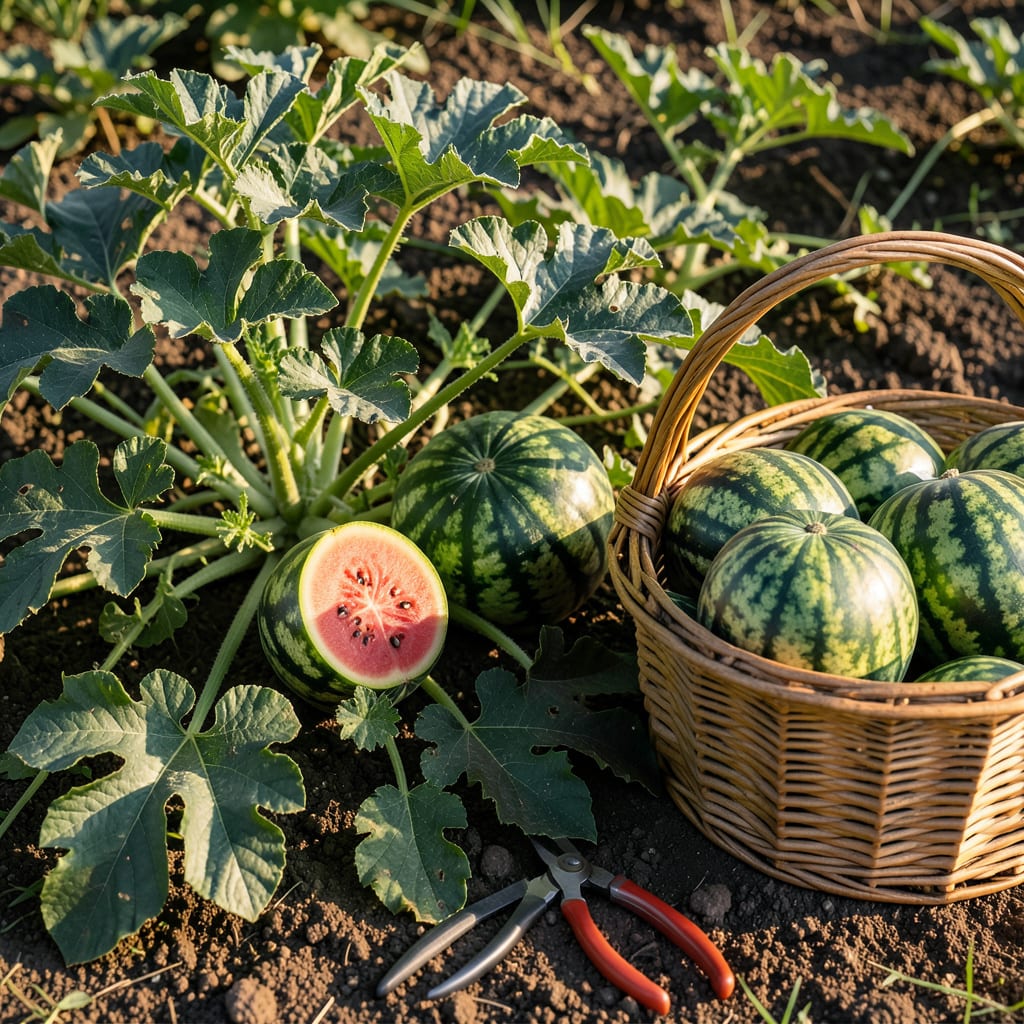
Imagine biting into a juicy watermelon you grew yourself. With the right approach, even beginners can turn their backyard into a thriving 🍉 patch.
From selecting the best seeds to knowing the perfect harvest moment, I’ll guide you through each stage. Let’s make your Watermelon dreams a sweet reality.

Growing watermelons from seed to harvest is a rewarding journey that spans about 70-100 days, depending on the variety. I’ve found that timing each stage carefully is key to a bumper crop of sweet, juicy fruit.
Start indoor seed sowing about 2-4 weeks before the last frost date, or direct-sow outdoors once soil temperatures reach a consistent 70°F. Warmth is critical for germination and early growth.
| Stage | Timeframe | Key Action |
|---|---|---|
| Germination | 5-10 days | Keep soil moist and warm |
| Seedling Care | 2-3 weeks | Thin to strongest seedlings |
| Transplanting | After last frost | Space plants 3-5 ft apart |
| Vine Growth | 3-4 weeks | Mulch and water deeply |
| Flowering | 4-6 weeks | Encourage pollinators |
| Fruit Development | 30-50 days | Reduce water as harvest nears |
Once vines begin running, they’ll spread quickly, so give them plenty of space. I recommend using black plastic mulch to retain heat and suppress weeds, which helps vines grow stronger and faster.
During the flowering stage, watch for yellow blooms that will turn into fruit. Bees and other pollinators are essential here, so avoid pesticides that could harm them. Hand-pollination can help if pollinators are scarce.
As fruits develop, reduce watering to concentrate sugars and improve flavor. A good rule of thumb is to cut back on water once fruits reach softball size, but keep the soil from drying out completely.
For the harvest stage, check the tendril near the stem—when it turns brown, your watermelon is likely ready. Also, the bottom of the fruit should turn from white to cream or yellow.
Another trick I use is the thump test. Tap the watermelon and listen for a deep, hollow sound, which indicates ripeness. A high-pitched sound means it needs more time on the vine.
Finally, harvest on a sunny morning for the best flavor. Use a sharp knife or pruners to cut the stem, leaving a few inches attached. Store watermelons at room temperature for up to a week, or refrigerate after cutting. 🌱
Growing sweet watermelons starts with rich soil preparation. I always mix in aged compost and balanced fertilizer to give vines a nutrient boost. Well-draining soil prevents rot while retaining moisture for steady growth. 🌱
Consistent watering is crucial, but avoid wetting leaves to prevent disease. I water deeply at the base 1-2 inches weekly, more during fruit development. Morning watering reduces evaporation and fungal risks. 💧
Pollination is often overlooked. I gently transfer pollen between flowers with a soft paintbrush if I notice few bees. Each female flower needs multiple pollen grains for proper fruit development.
Fertilizer timing matters more than amount. I apply a 5-10-10 formula at planting and again when vines start running. Too much nitrogen late in the season produces leafy growth instead of sweet fruit. ☀️
Finally, reduce watering about 1 week before harvest to intensify flavor. This stress signals the plant to focus energy on ripening existing fruits rather than producing new ones.
Test ripeness by checking the tendril near the stem—when it turns brown, your watermelon is ready. The bottom should change from white to cream-colored for peak sweetness.
Even experienced gardeners sometimes make critical errors when growing watermelons. I’ve learned the hard way that overwatering is one of the most common mistakes, leading to bland fruit and disease. 🌱
Poor spacing is another issue—crowded plants compete for nutrients and sunlight, stunting growth. I always give vines at least 3-5 feet of space to spread freely.
⚠️ Avoid These Pitfalls: Overwatering causes bland fruit. Poor spacing stunts growth. Ignoring pests ruins harvests. Misjudging ripeness wastes effort.
Ignoring pests like aphids or cucumber beetles can devastate your crop. I use row covers early in the season and inspect leaves regularly for signs of trouble.
Misjudging harvest time is frustrating. A white bottom or shiny rind means the fruit isn’t ready. I rely on the tendril test and thump method to confirm ripeness. 🌿
Finally, planting too early in cold soil can delay germination or kill seedlings. I wait until soil temps hit 70°F and all frost danger has passed before sowing seeds.
By avoiding these common mistakes, you’ll set yourself up for a successful, sweet harvest every time. ✂️
Wait until soil reaches a consistent 70°F before sowing seeds. Cold soil can delay germination or kill young seedlings. Use a soil thermometer for accuracy.
Give each plant 3-5 feet of space to allow vines to spread freely. Crowding leads to competition for nutrients and smaller fruit. Proper spacing improves air circulation too.
Check the tendril near the stem—it turns brown when ripe. Also, the bottom turns cream or yellow. A deep, hollow sound when thumped confirms it’s ready.
Yes, cut back on water about 1 week before harvest to concentrate sugars. This stress helps the plant focus energy on ripening existing fruits rather than new growth.
